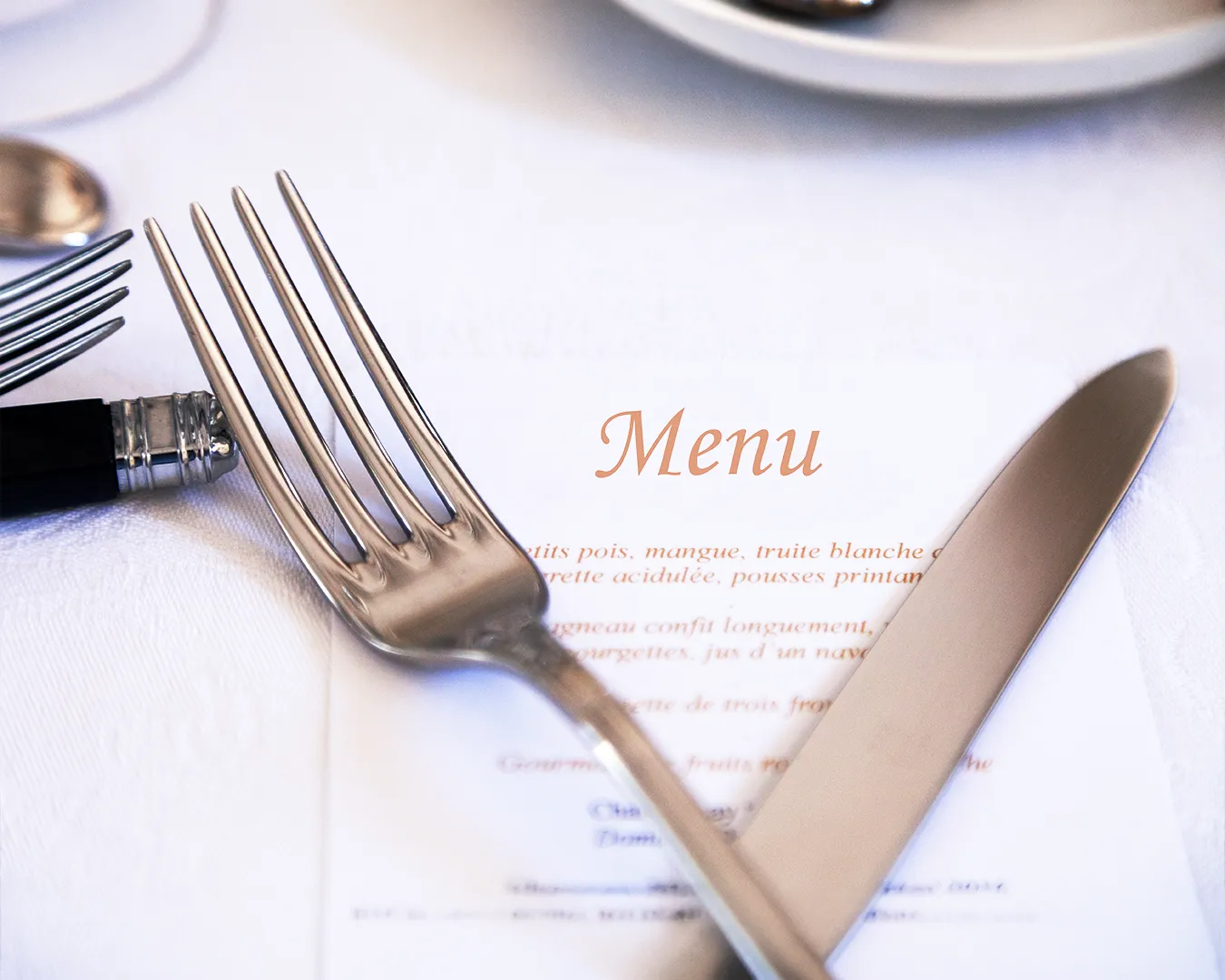
Why do you place your highest-margin items in the least visible corners of your menu? Most owners treat their menus like a laundry list of offerings, assuming that more options lead to more sales. This is incorrect. A menu is a sales tool, not a catalog.
When you overwhelm a guest with choices, you trigger decision paralysis. Your menu should be a curated guide that moves the customer toward the items that best represent your brand and your profit targets. Effective digital marketing for restaurant success starts at the table, not just on a social media feed. If your menu does not lead the guest to their next purchase, it is failing you.
Engineering the Guest Eye Path
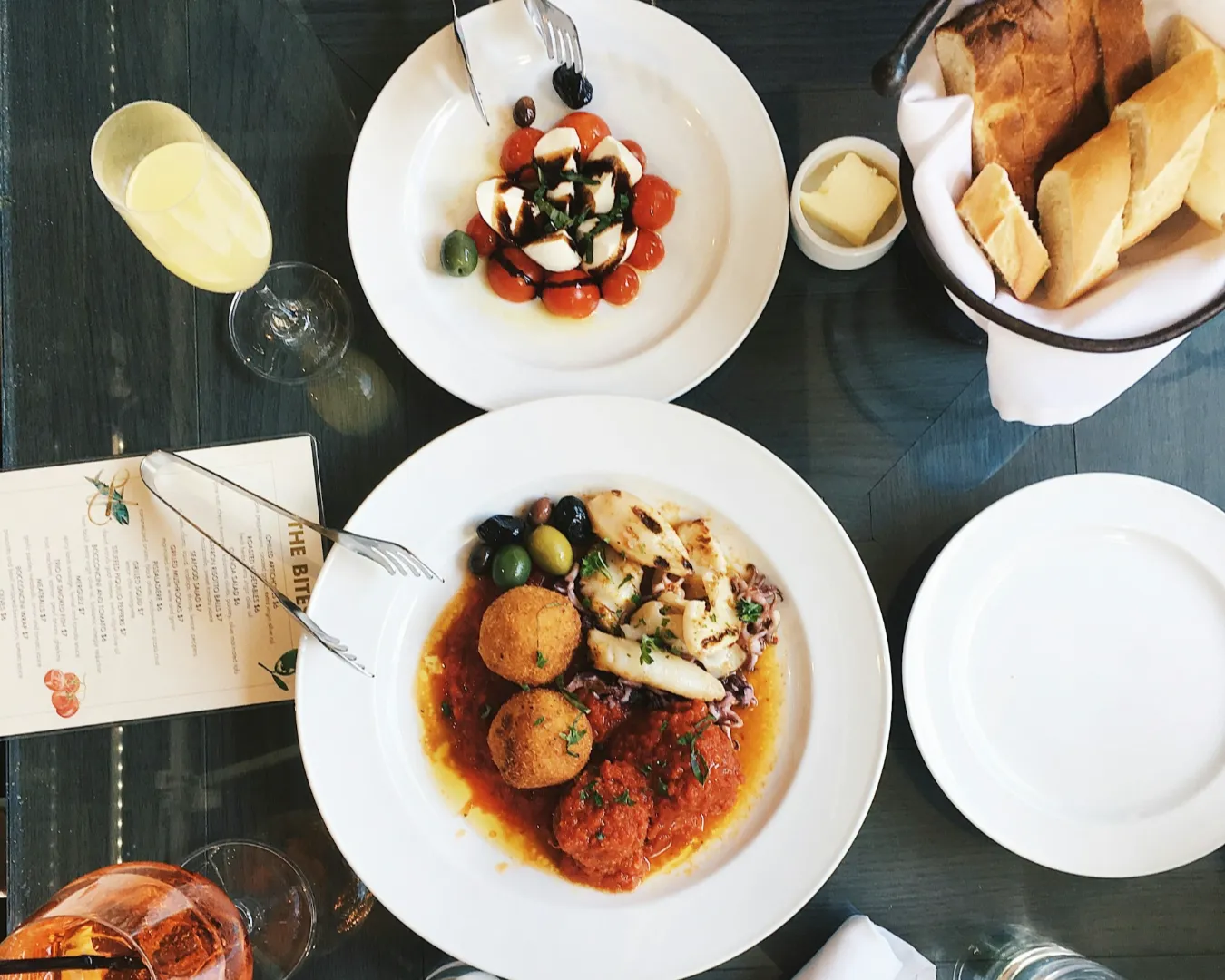
The way a guest scans your menu is predictable. They typically look at the center, then the top right, then the top left. This is the “golden triangle” of menu design. If you place your most profitable dishes in these spots, you naturally guide the guest toward a better decision.
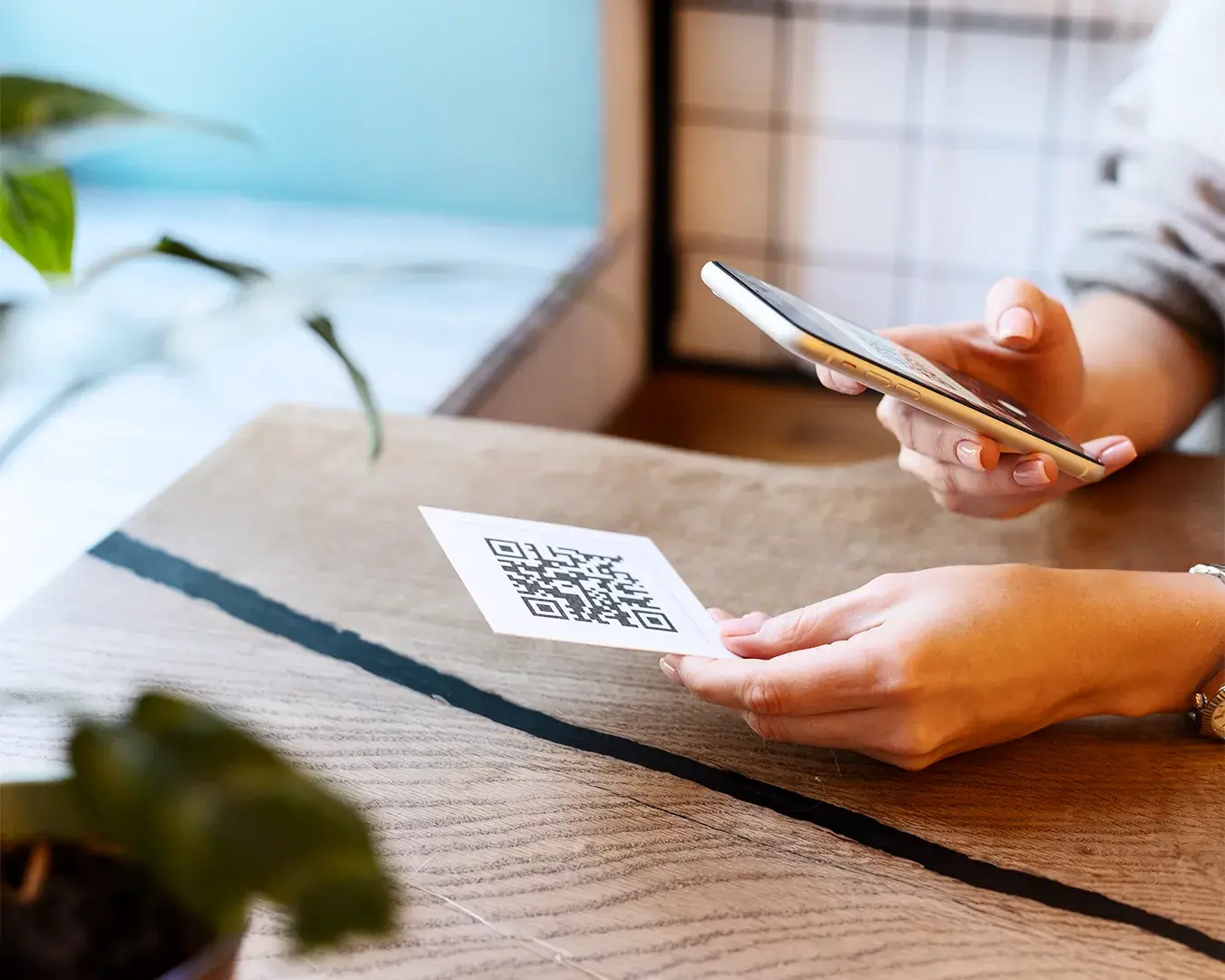
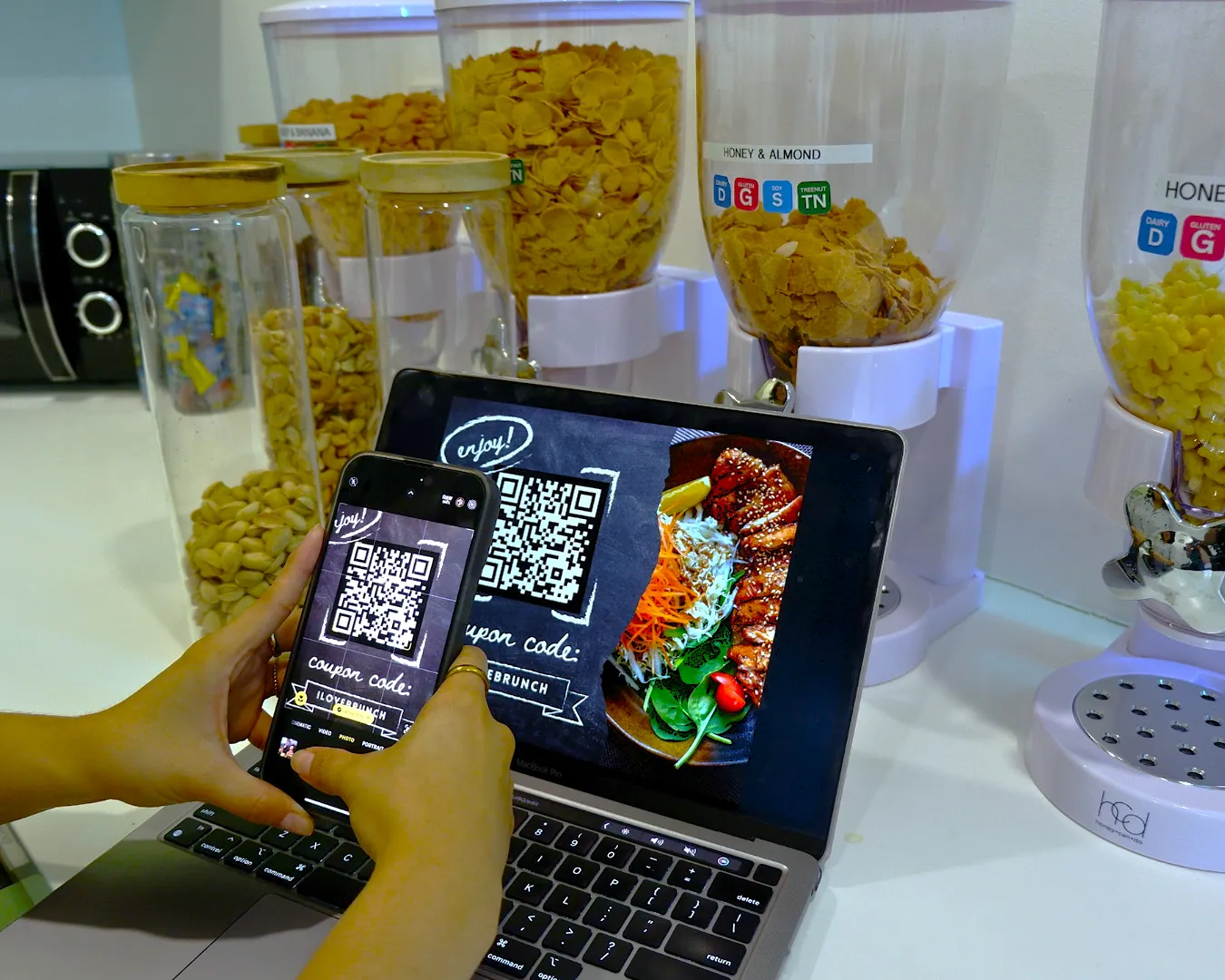
Use simple design elements to draw the eye. A subtle border, a box, or even a change in font weight can make a dish stand out. Do not use high-tech gadgets or complex QR codes if they distract from the food. Your goal is to make the act of ordering feel effortless. When a guest doesn’t have to hunt for their next meal, they are more likely to order an appetizer or a dessert.
The Psychology of Price Presentation
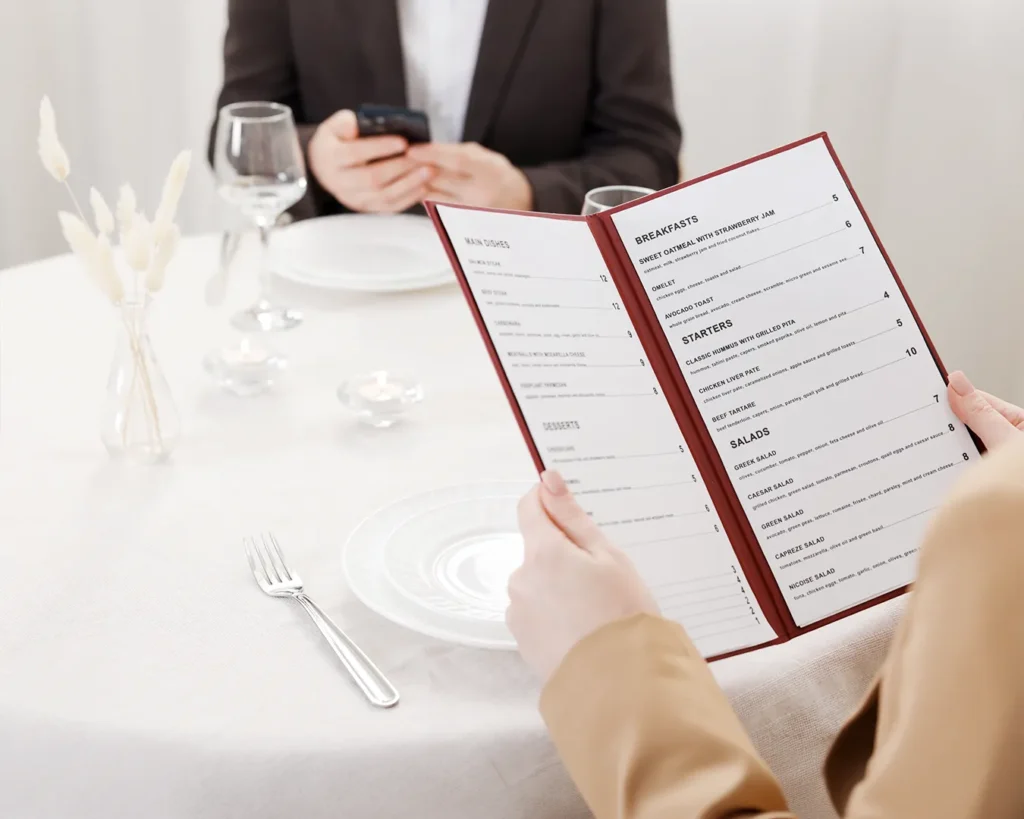
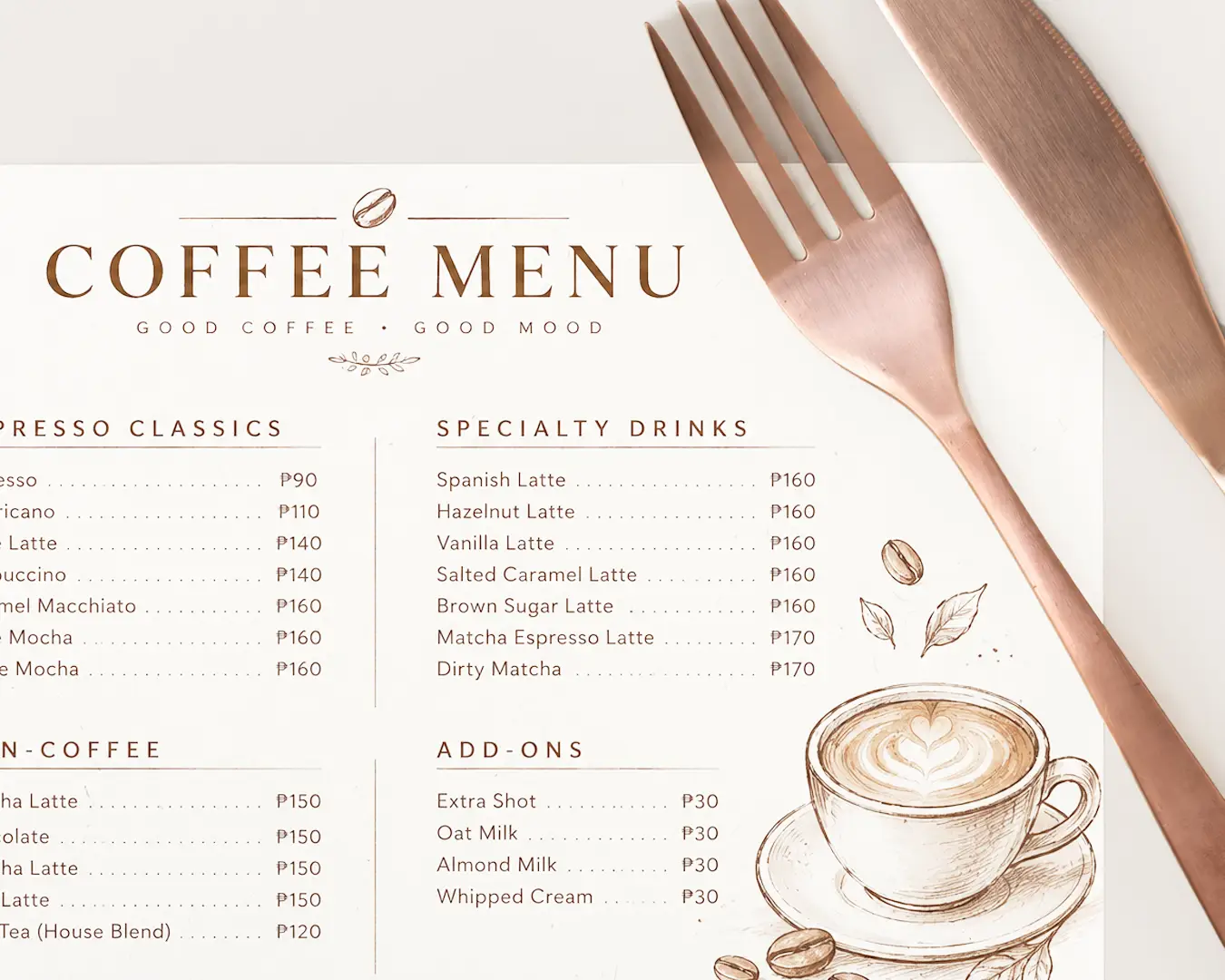
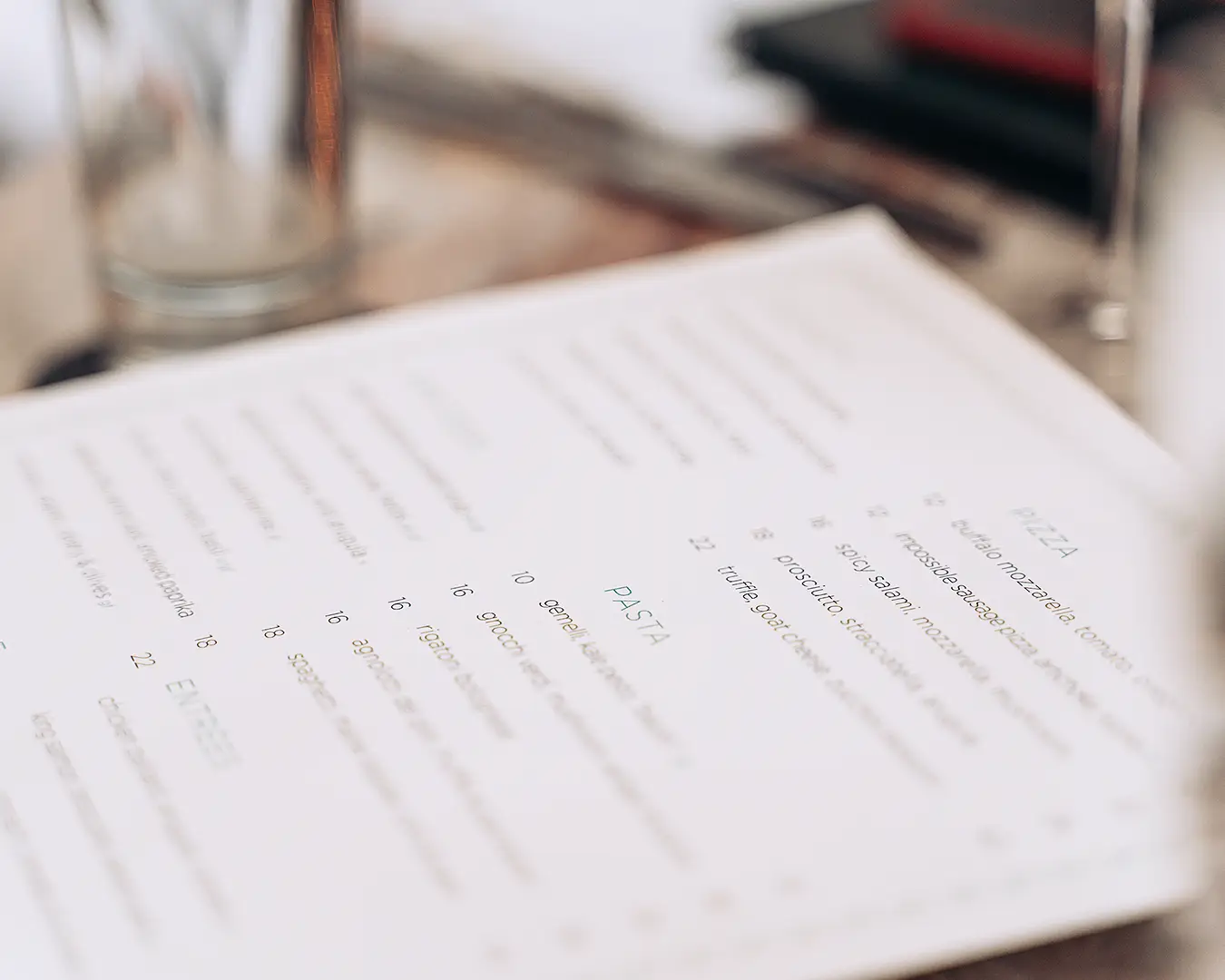
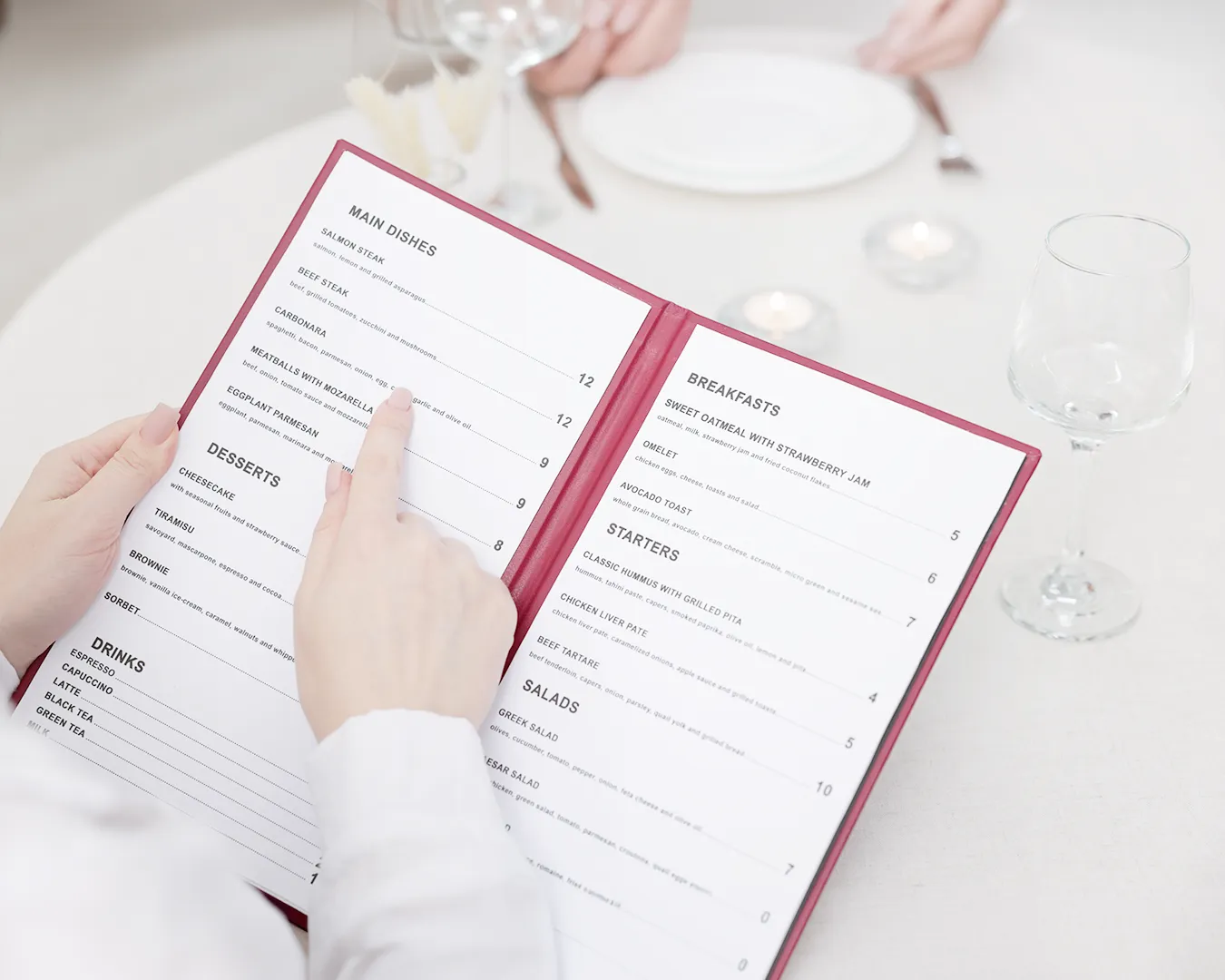
How you display prices changes how a customer perceives your value. Most menus put the price directly next to the dish, often aligned in a neat column. This invites the guest to scan the list and compare prices, which encourages them to choose the cheapest option.
Research in consumer behavior consistently indicates that currency symbols act as a psychological trigger for the “pain of paying.” When a customer sees a symbol, they are immediately reminded of the financial cost, which distracts from the perceived value of the meal. To mitigate this, remove the currency symbol and place the price in a smaller, non-distracting font. Better yet, avoid the column altogether.
When the price is tucked subtly beneath the dish description without a symbol, the guest focuses on the quality of the ingredients rather than the transaction cost. You are selling an experience, not a commodity. Keep the conversation focused on the food.
Keeping the Menu Operationally Lean
A bloated menu is an operational liability. Every extra dish requires unique ingredients, more prep time, and additional space in your chiller. If your menu is twenty pages long, you are likely wasting money on food spoilage and slowing down your kitchen during peak hours.
A lean menu is a sign of a focused kitchen. It shows the guest that you are experts at your specific craft. If you can deliver ten dishes perfectly, you are better off than delivering fifty dishes with varying quality. Periodically audit your sales data. If a dish is not selling well or has low margins, take it off the menu. A tighter menu reduces waste and allows your team to maintain a higher standard of consistency.
Balancing Digital and Physical Design
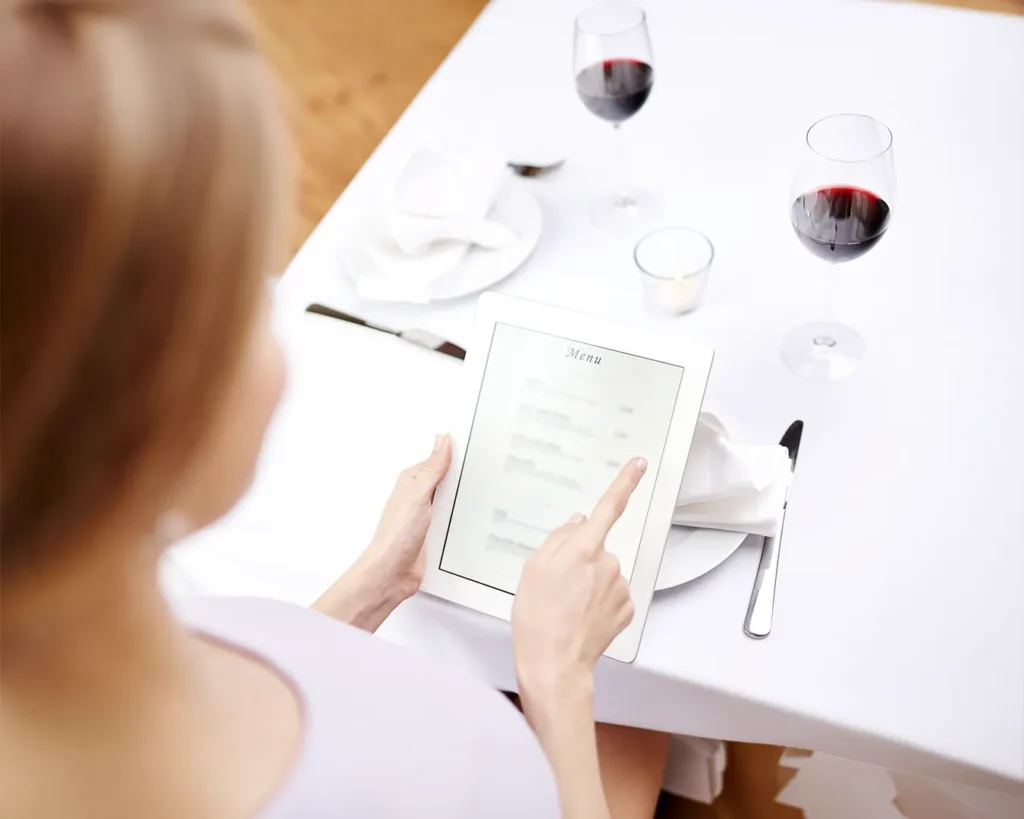
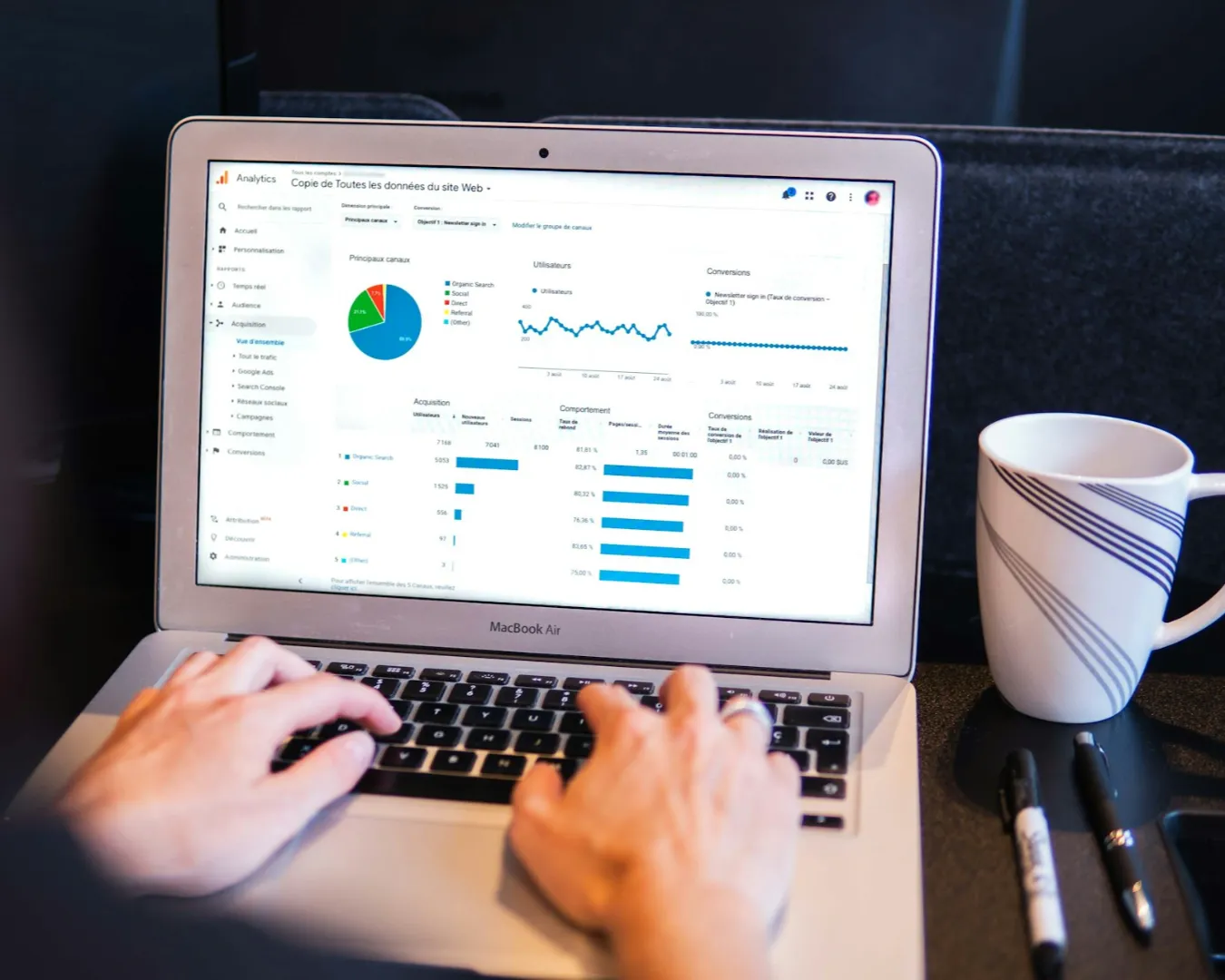
Your physical menu and your online presence must speak the same language. If your digital marketing for restaurant growth pushes a certain dish, that dish should be the hero of your physical menu.
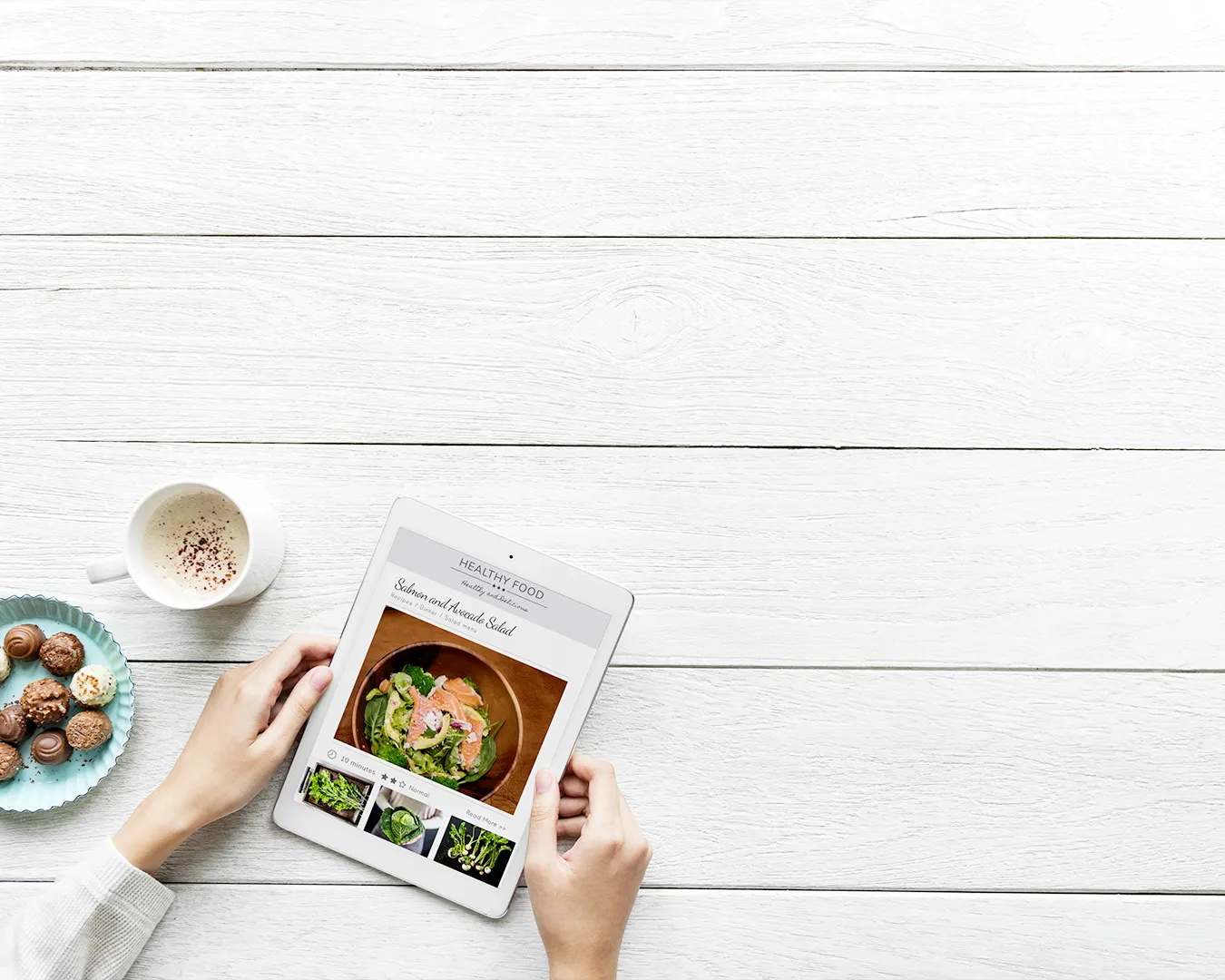
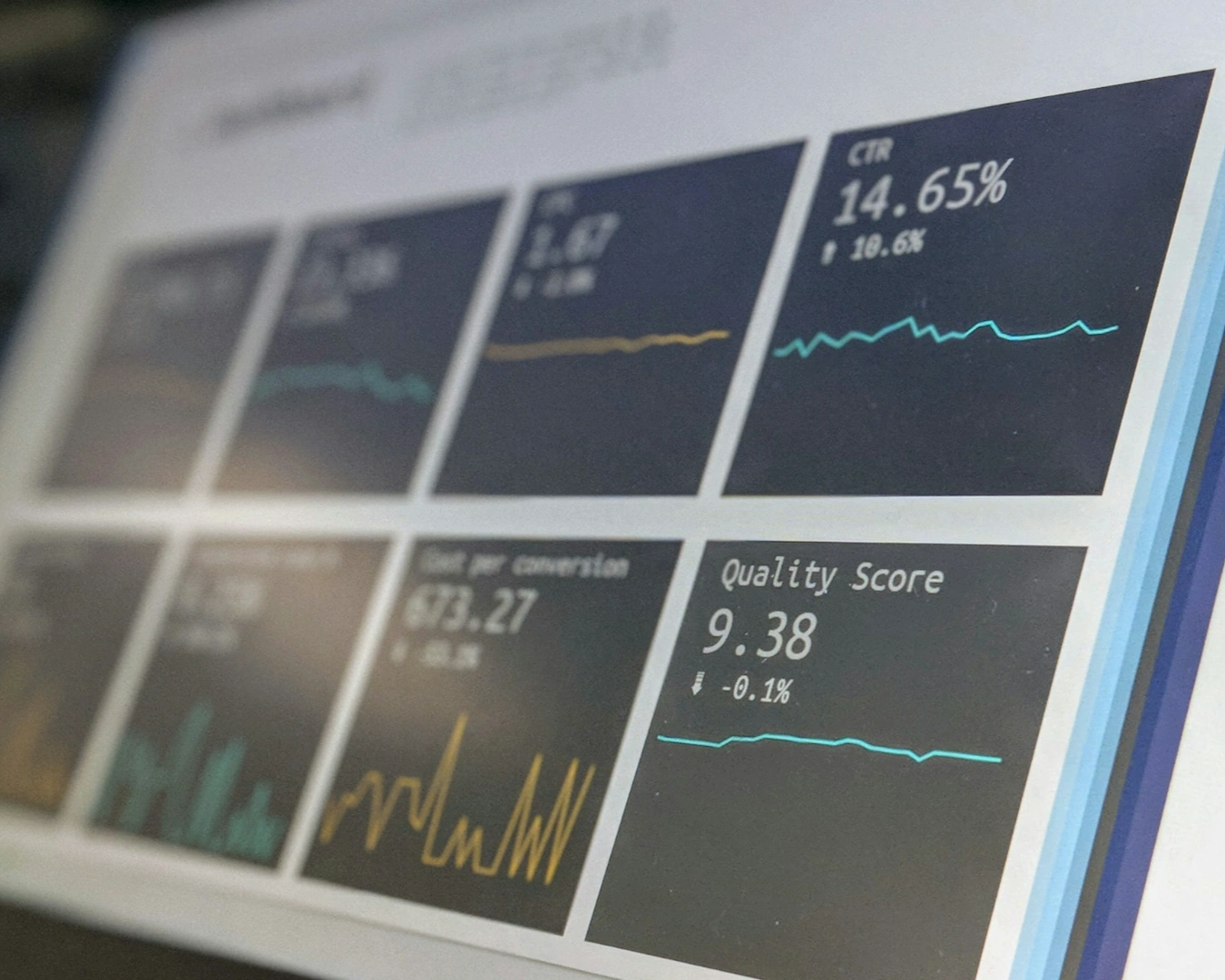
Ensure that your digital menu is as optimized as your physical one. Avoid PDFs that require heavy zooming. Your online guests want the same frictionless experience as your dine-in guests. When your physical design and digital assets are aligned, you create a seamless experience that builds brand integrity. It reinforces the idea that you are a business that cares about every detail.
Refining Your Sales Strategy
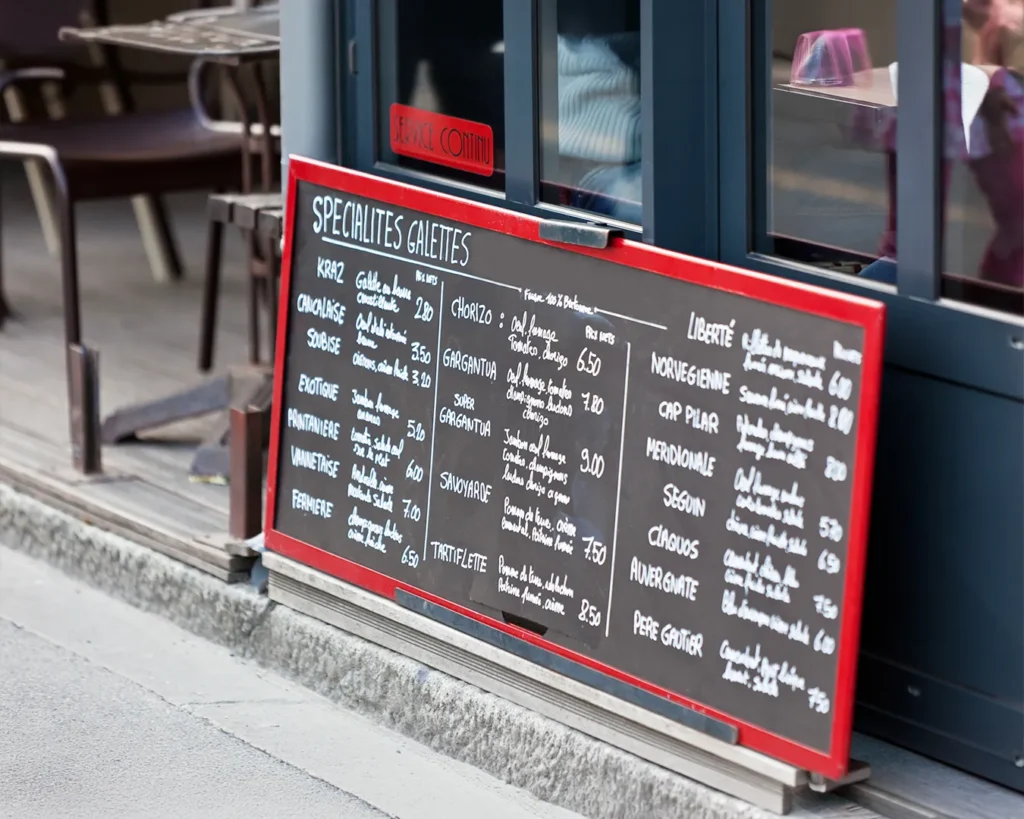
Take a look at your current menu tonight. Does it lead the guest to your most profitable dishes, or is it just a list? If your staff is constantly answering questions about ingredients or portions, your menu design is likely failing to provide the necessary information.
A well-engineered menu should do the selling for you. Here at Atelier Creations, we can help you look at your current design and identify where you are losing potential revenue. Let us conduct a brand audit to see if your menu is working as hard as your kitchen. We can find the right balance together.