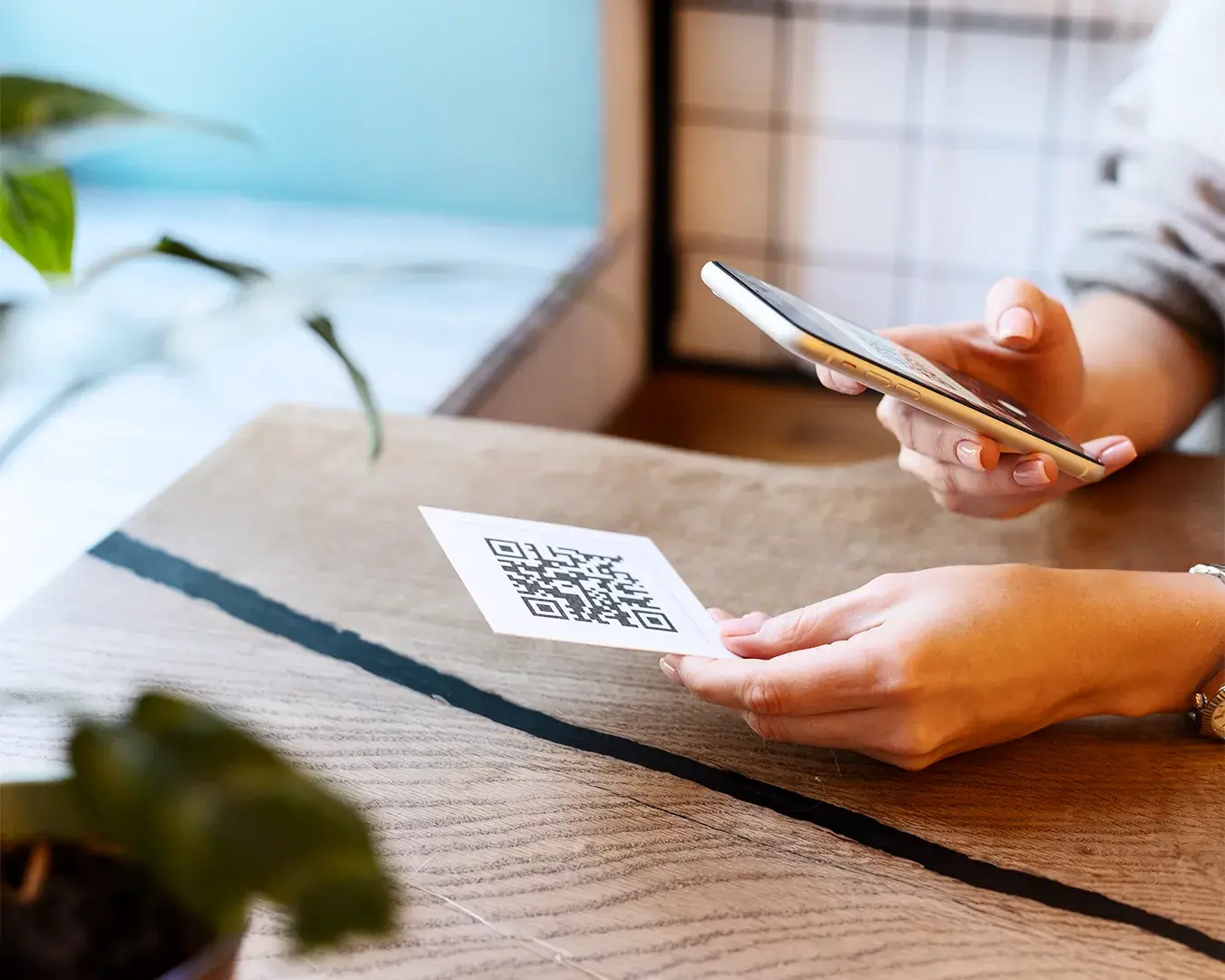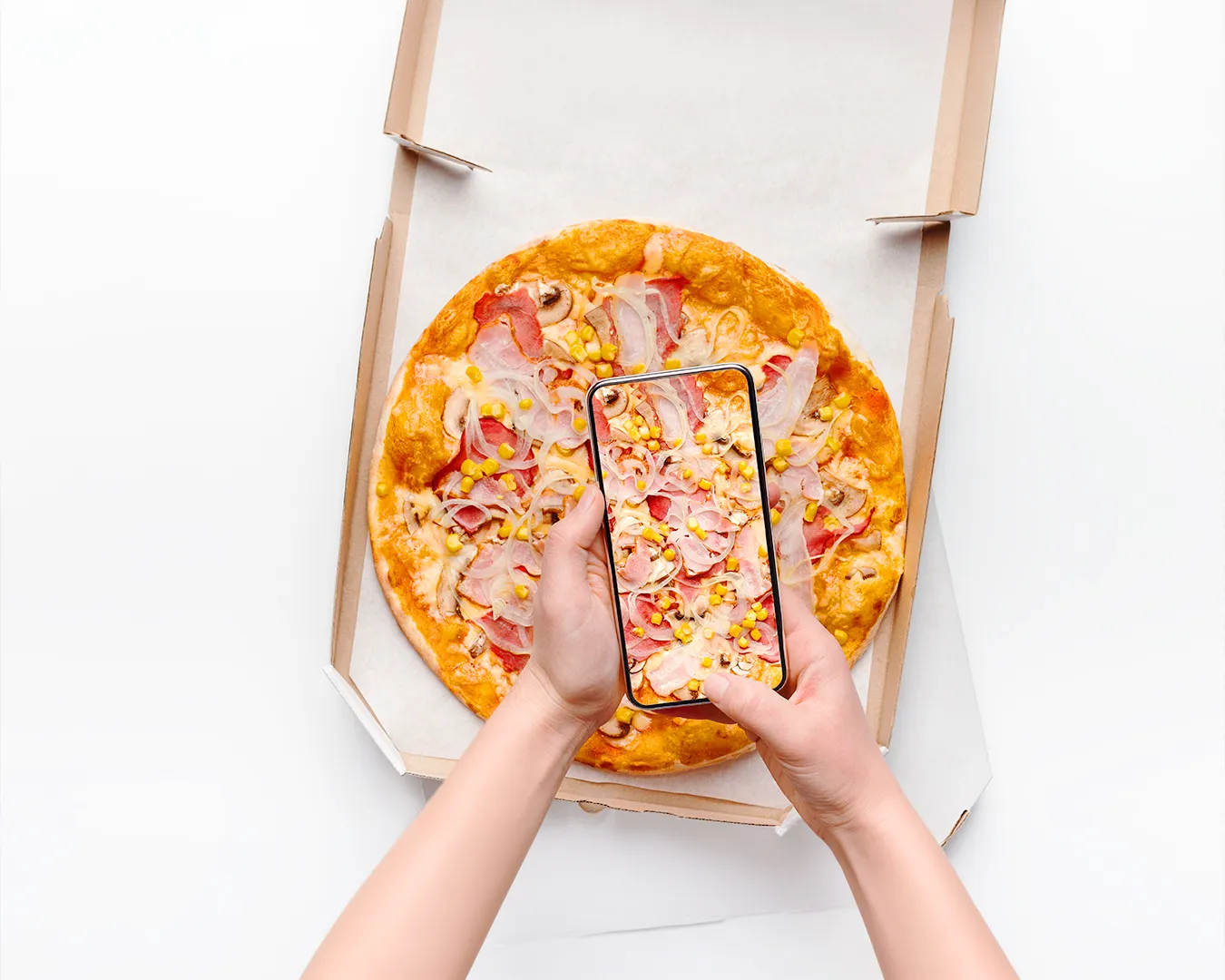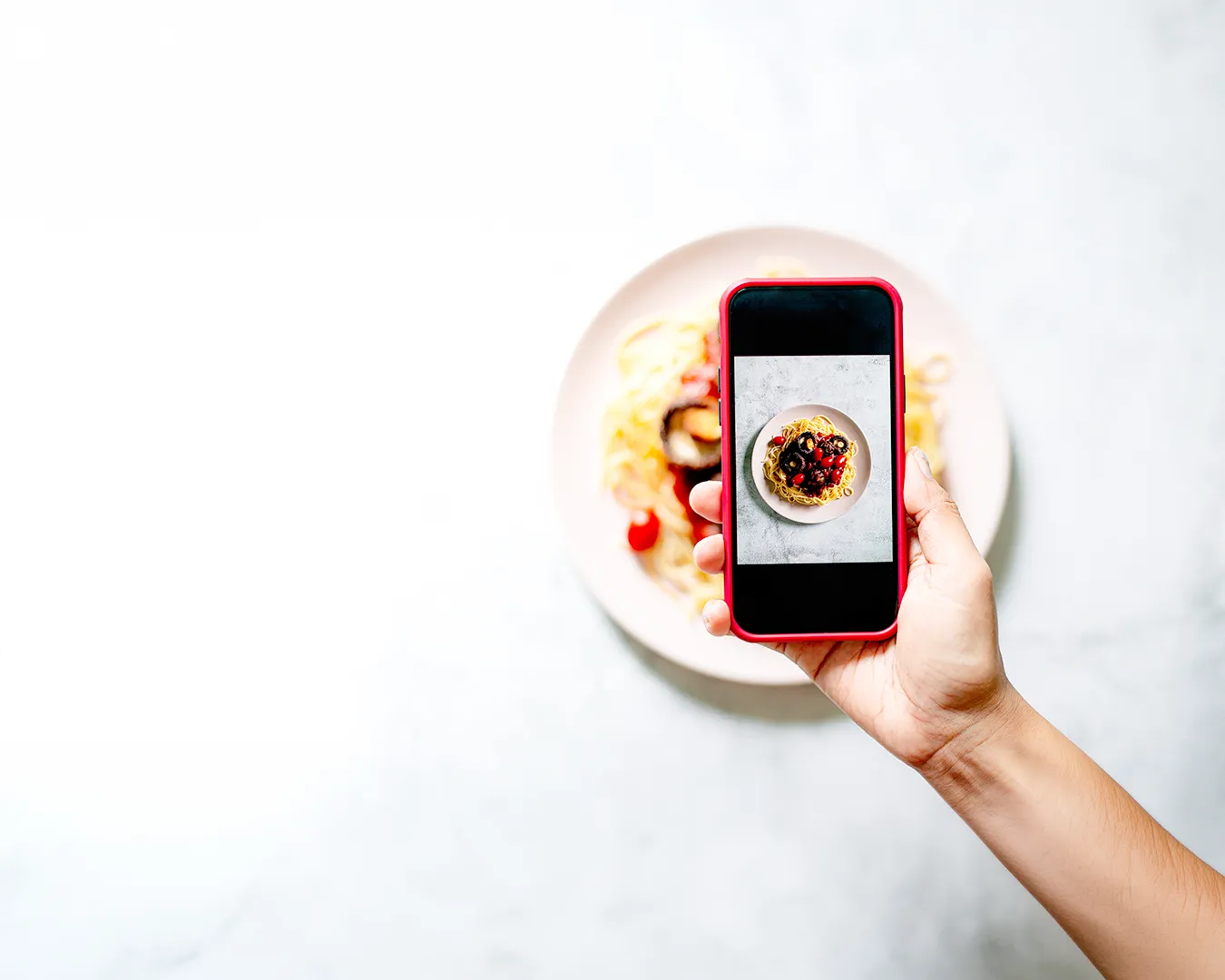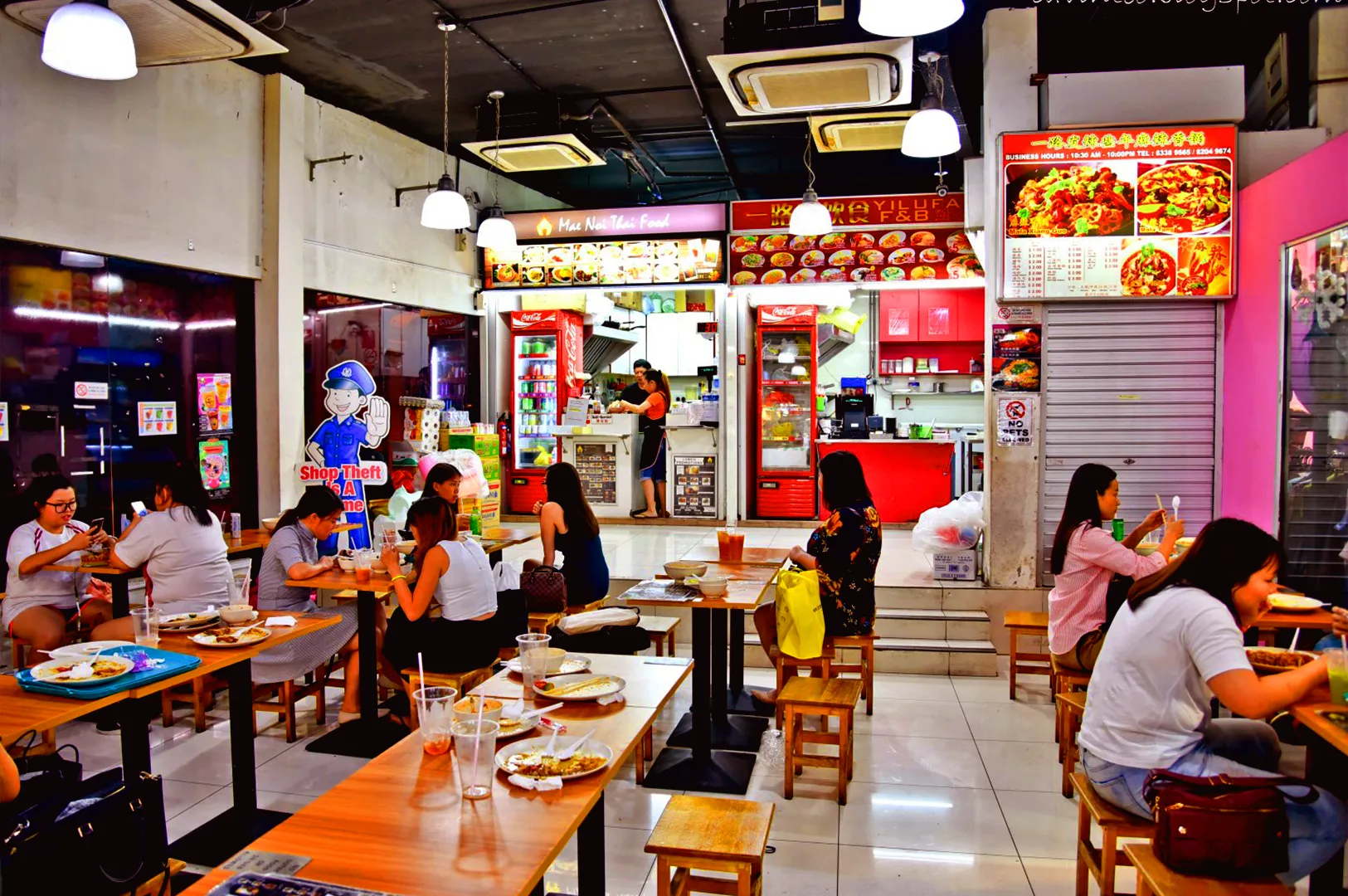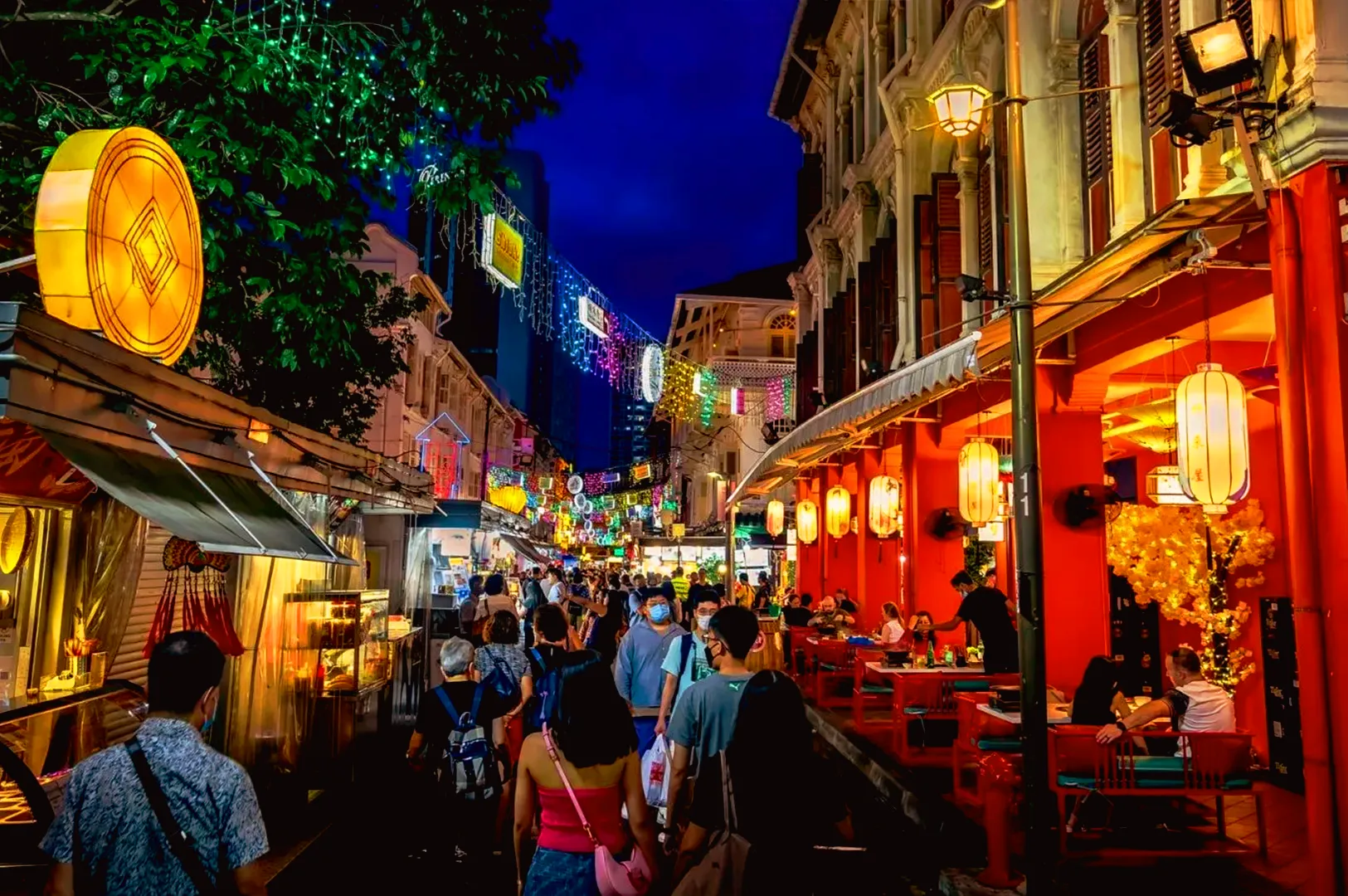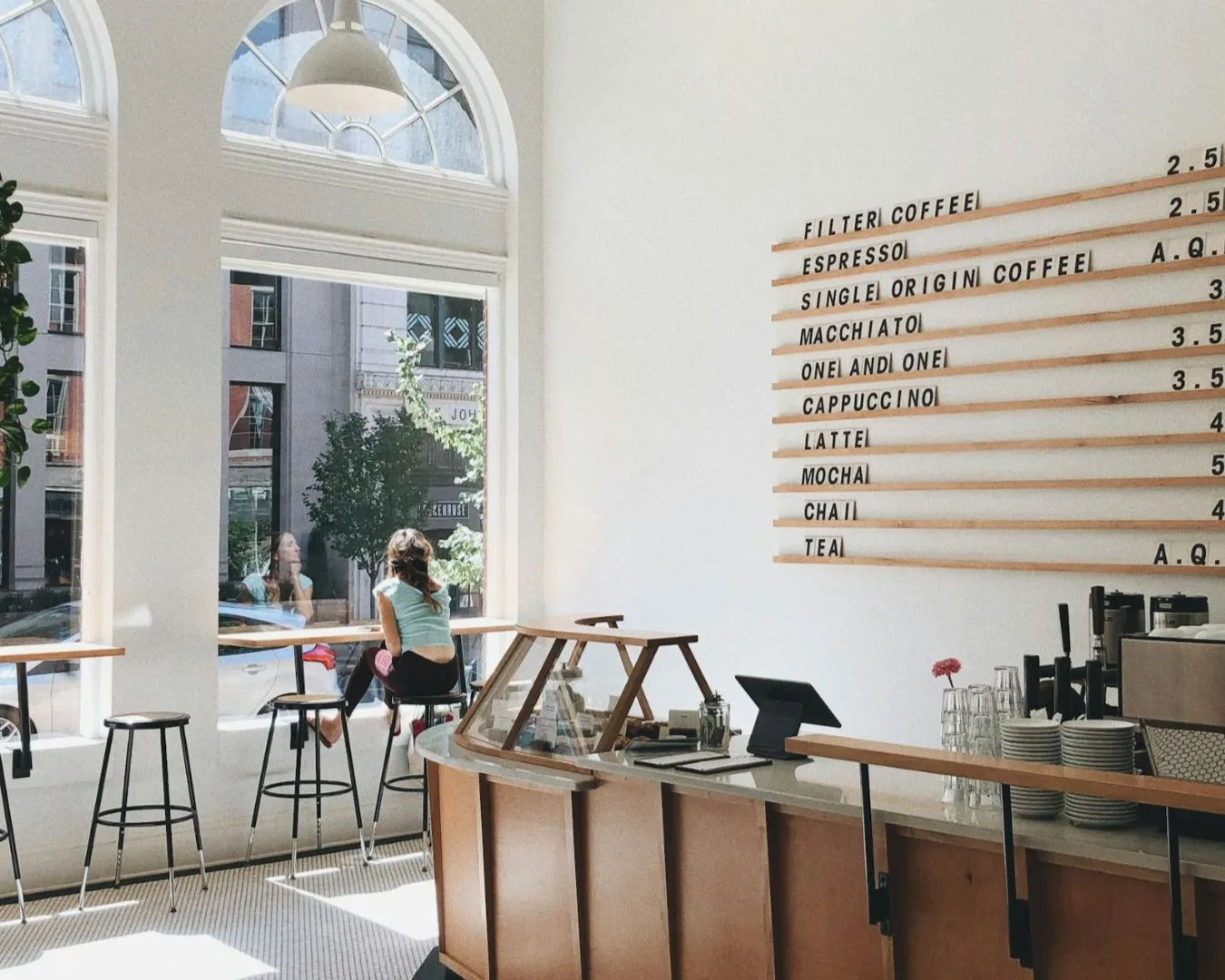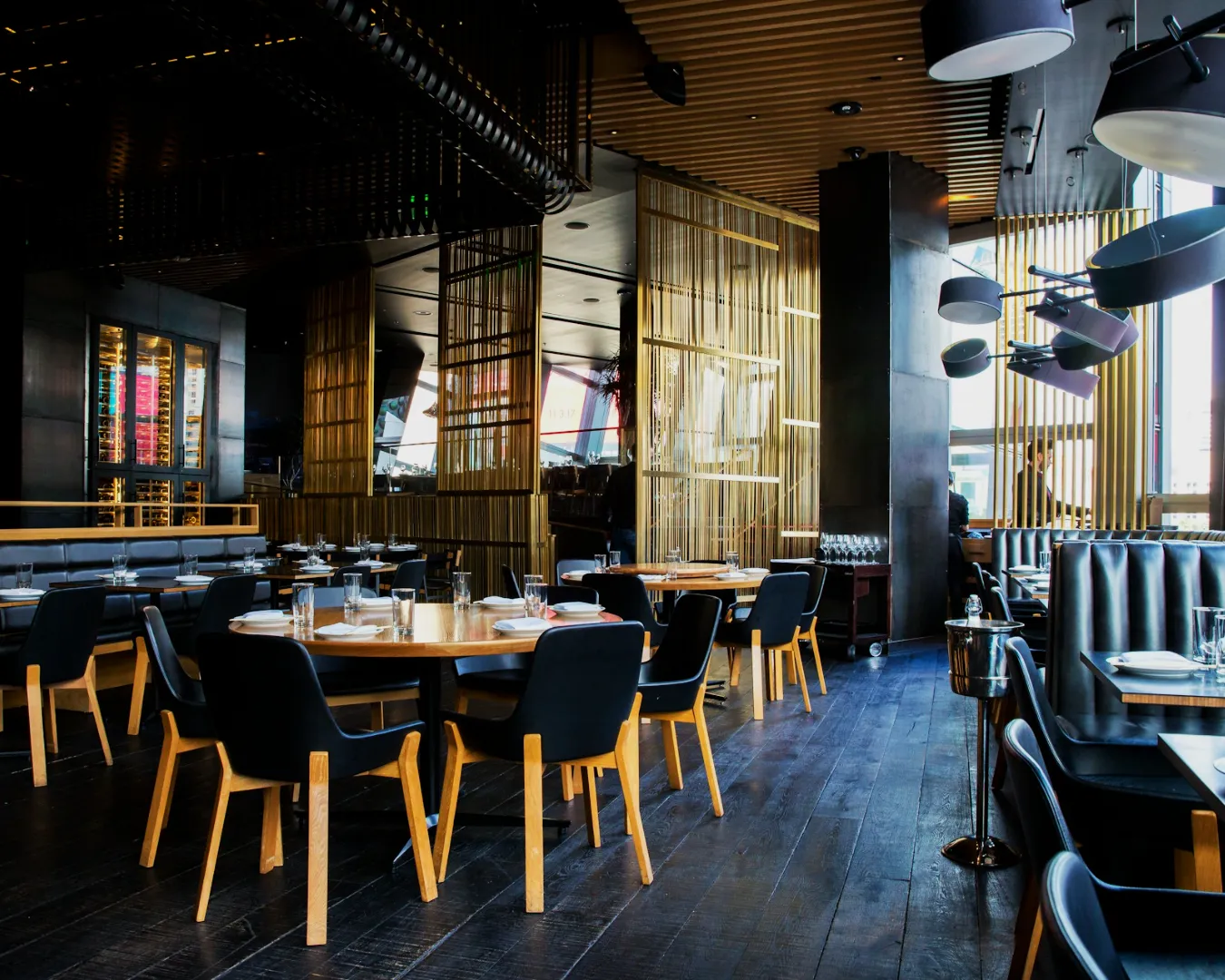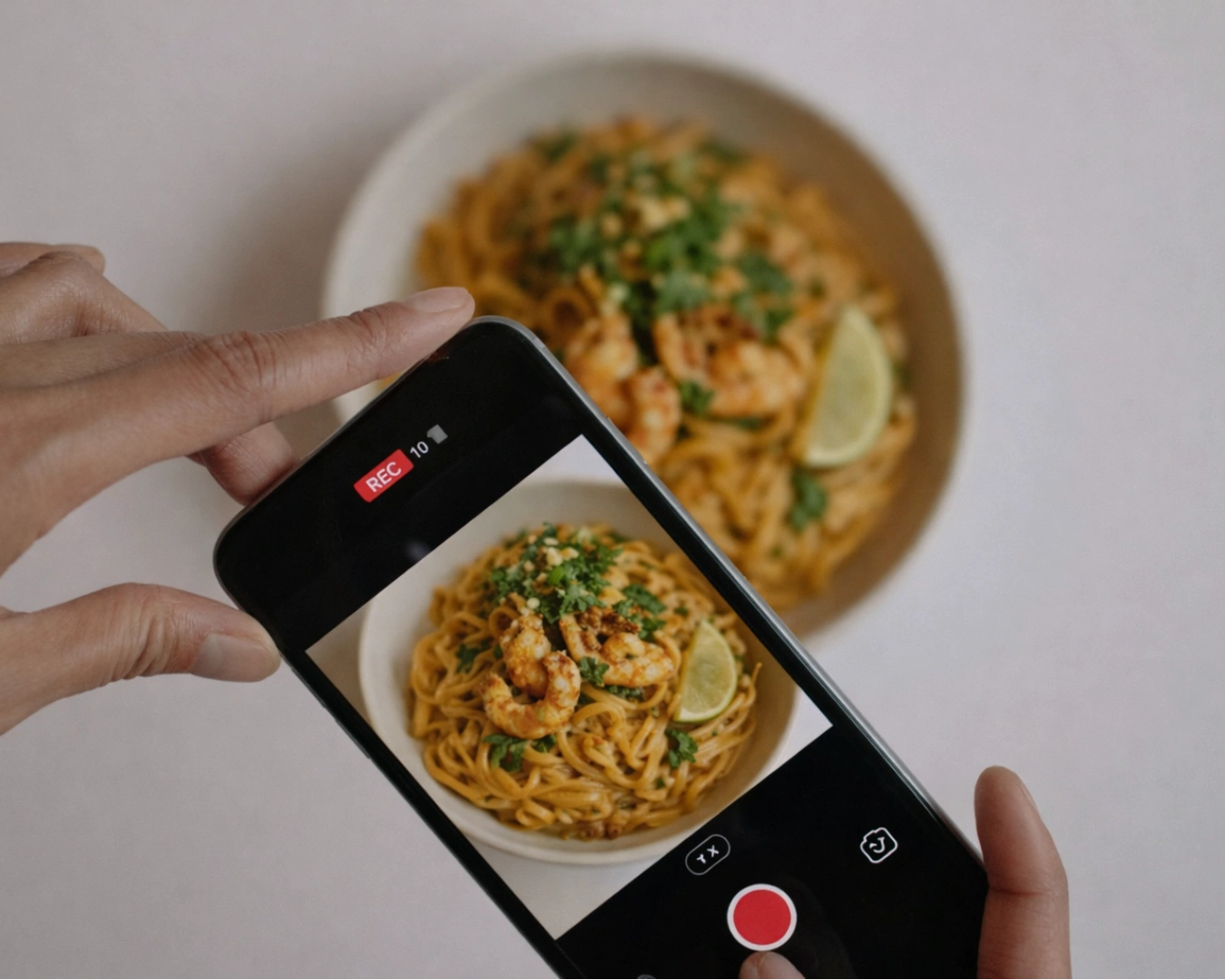
You spend days coordinating with a photographer to capture the raw energy of your weekend service for social media. Your feed showcases a lively, neighborhood joint where chefs cook over open flames and staff chat informally with regulars. Yet, when a follower clicks the link in your bio to book a table, they land on a website that looks like a corporate law firm template. It features a generic font, cold corporate styling, and a rigid, automated reservation form. This immediate visual disconnect is an operational error.
When your website and your social accounts tell two different stories, you create immediate cognitive dissonance in the consumer’s mind. Guests do not know which version of your restaurant is real, and that friction is often enough to make them abandon the booking.
Dismantling the Split Personality Trap

Your digital presence must behave like a single, unified hospitality team. If your social channels present one personality while your official website operates with another, your brand identity is fragmented.
This mismatch usually happens because different people manage each platform. A junior staff member or external agency might run your social media using casual language and unedited smartphone videos, while an old IT vendor manages your static website with outdated text.
At Atelier Creations, we see this operational divide dilute marketing efficiency across dozens of outlets. Your brand is not a collection of separate accounts; it is a singular concept. Every digital portal must carry the exact same design system, color palette, and conversational tone. When your channels are aligned, you build an ironclad digital footprint that feels completely intentional.
Aligning Content Speed and Menu Realities
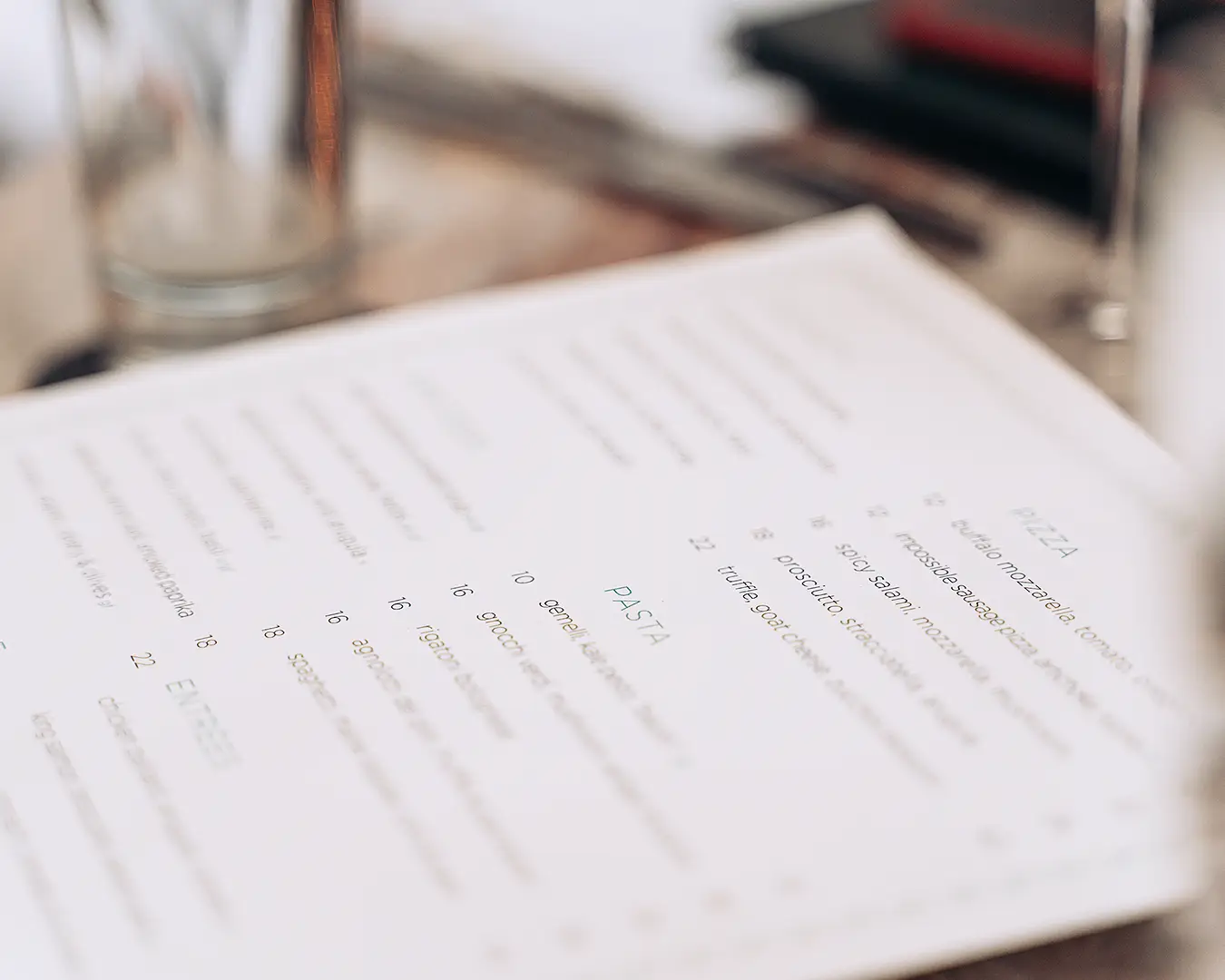
The disconnect between platforms often extends beyond aesthetics into raw data. It is common to find an outlet promoting a limited-run seasonal special on their grid, only for that dish to be entirely absent from their website’s digital menu.
This breakdown leaves high-intent diners stranded:
- The Broken Loop: A guest sees a signature noodle dish on their phone, clicks the website link to check the price, and finds an outdated PDF menu from last year.
- The Reservation Friction: Your social media promises a relaxed, accommodating walk-in policy, but your website booking widget forces users to commit to strict credit card deposits for every seat.
To prevent this operational leakage, your updates must be synchronized. If you introduce a new dish, it must launch on your live-text online menu at the exact same moment it drops on social media. Your digital doorways must mirror your actual kitchen capacity and floor rules in real time.
Translating Casual Media Into an Efficient Booking Flow

Social media is excellent for capturing attention, but it is a poor environment for closing a sale. The entire purpose of your digital content is to drive traffic away from the third-party platform and onto an asset you actually own: your website.
When a user transitions from your social feed to your homepage, the journey should feel seamless. If your Instagram is minimalist and elegant, your website landing page must utilize identical whitespace, typography, and photography styles. The “Book a Table” button should be prominent, static, and easy to tap with a thumb. Do not force the user to re-read your entire history or navigate through multiple pop-up windows just to find your address. Keep the transition fast and clean. You are moving a guest from casual entertainment to a confirmed cover.
Enforcing a Monitored Cross-Platform Standard
Consistency is an ongoing management habit that requires regular operational audits. Without clear guardrails, your digital channels will naturally drift apart as your daily kitchen and floor routines take over.
Create a simple digital style sheet for your business. It should specify your official font families, your exact color codes, your approved logo variations, and a list of phrases that your brand never uses. Share this document with everyone who touches your digital footprint, from your floor managers responding to reviews to your external content creators. By centralizing your media standards, you ensure that your brand speaks with a singular, authoritative voice across the entire internet.
Auditing Your Digital Channels

Open your restaurant’s Instagram profile on your phone, click your website link, and look at the transition. Do the colors, the messaging, and the overall mood feel like they belong to the same kitchen?
If the experience feels jarring, your digital channels are working against each other. We can help you audit your digital assets to build a seamless, high-converting guest journey from first click to physical table. Let us perform a quiet review of your online touchpoints together to find where your brand narrative is leaking value.