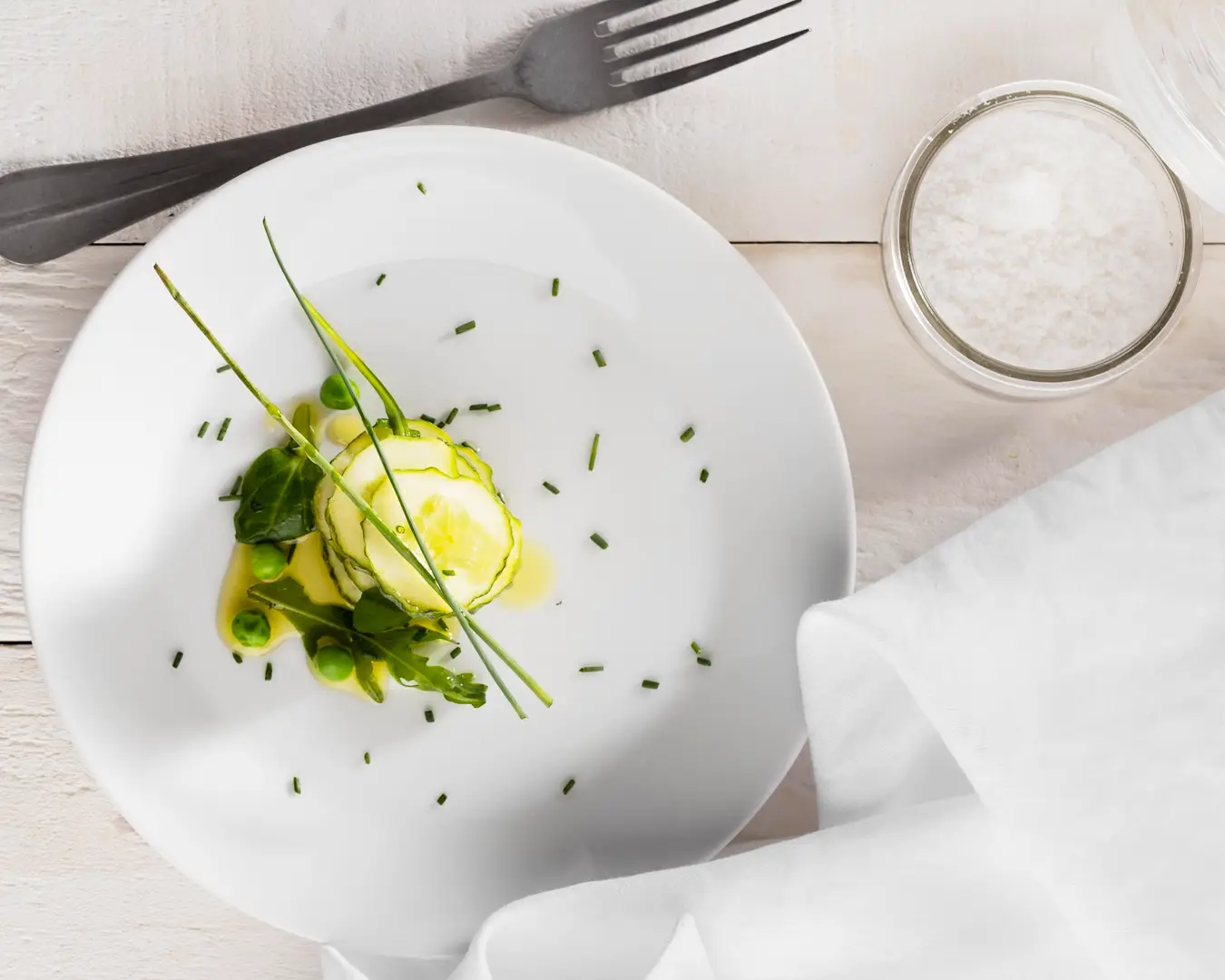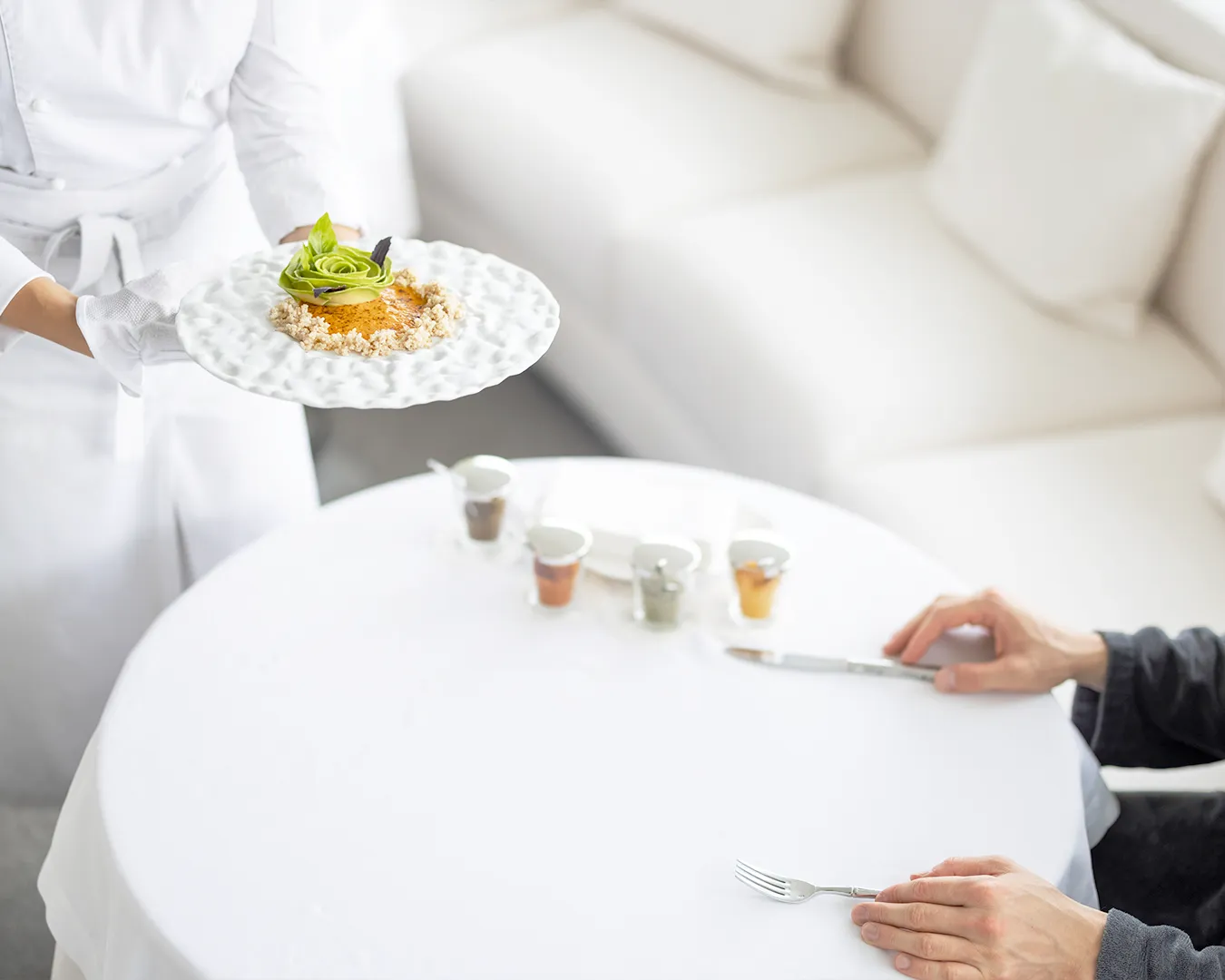
You place a beautifully styled, high-end studio photograph of your signature burger on a delivery platform. The lighting is cinematic, the background is an artistic blur, and the dish looks like an oil painting. Yet, the listing gets thousands of impressions but barely any conversions. Meanwhile, your neighbor’s simple, top-down smartphone shot of a packed bento box is consistently moving volume. This disconnect is an operational reality that many operators fail to accept.
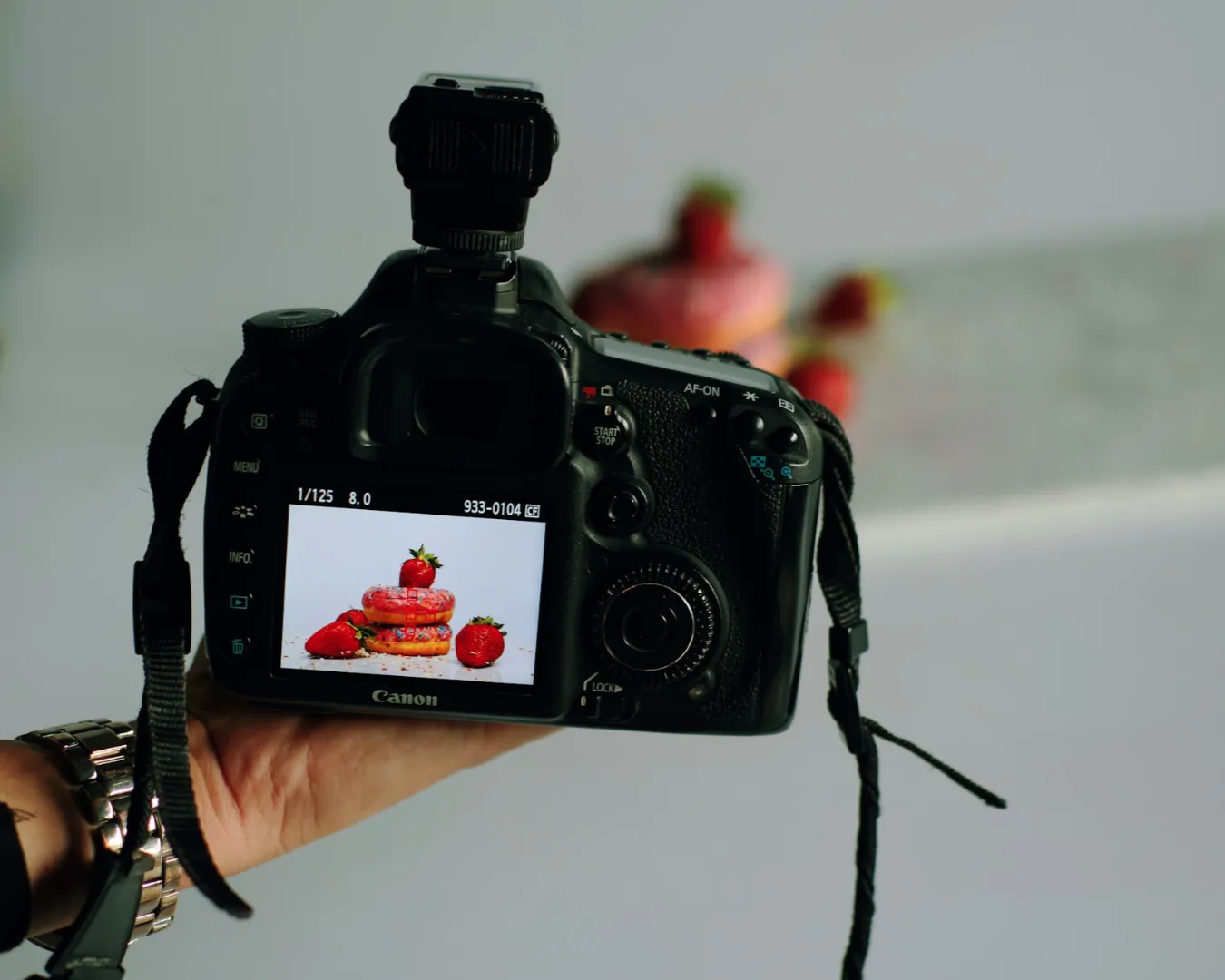
Artistic food photography built for a magazine does not work on a delivery app. When a customer scrolls through an aggregator platform on their phone, they are not looking for fine art; they are evaluating value, portion size, and durability. If your images look too staged, consumers will assume the actual food arriving at their door will look nothing like the picture.
Prioritizing Practical Reality Over Studio Artifice
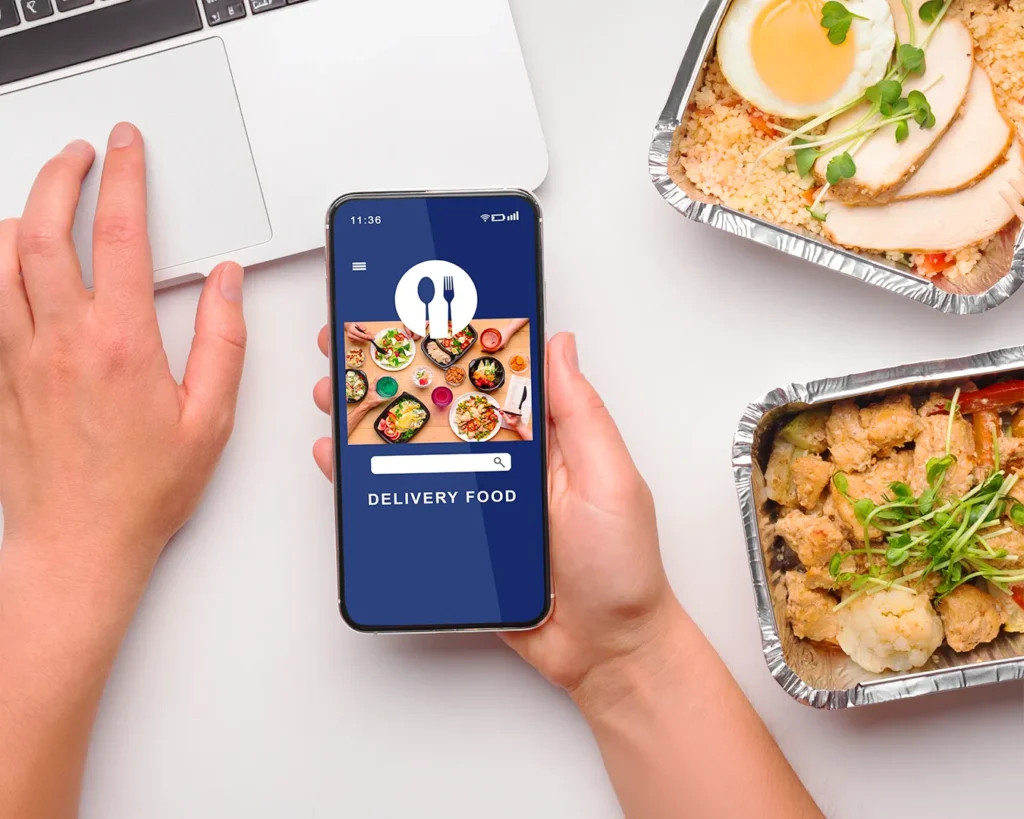
Delivery photography serves a completely different operational purpose than social media marketing. On social media, your goal is to build an emotional lifestyle brand. On a delivery app, your goal is utility.
The primary error is hiding the true nature of the meal. Glamour shots that use non-edible styling tricks, artificial gloss, or extreme close-ups do not drive transactions. Customers want to see exactly what they are paying for.
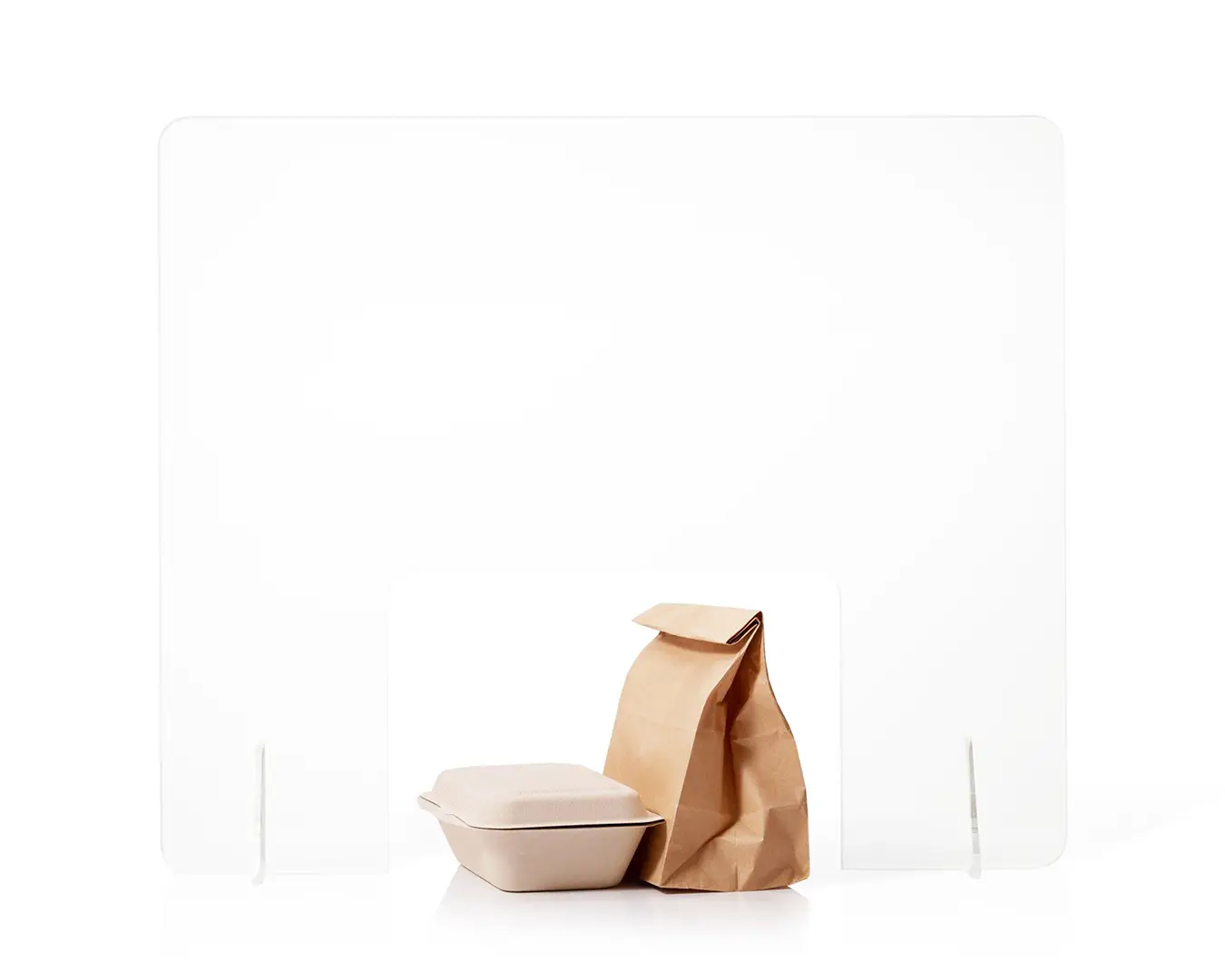
At Atelier Creations, we advise clients to photograph dishes in the exact takeaway containers they will be delivered in. If your laksa arrives in a two-tier plastic bowl with broth on the bottom and noodles on top, show that format. Showing the real, unvarnished presentation builds instant trust. It eliminates the disappointment a guest feels when a dish arrives looking completely different from a pristine studio setup.
Capturing the Correct Angle for Mobile Decisions
Most delivery app users make dining decisions in less than seven seconds while scrolling on a small mobile screen. Your image composition must deliver maximum information instantly.
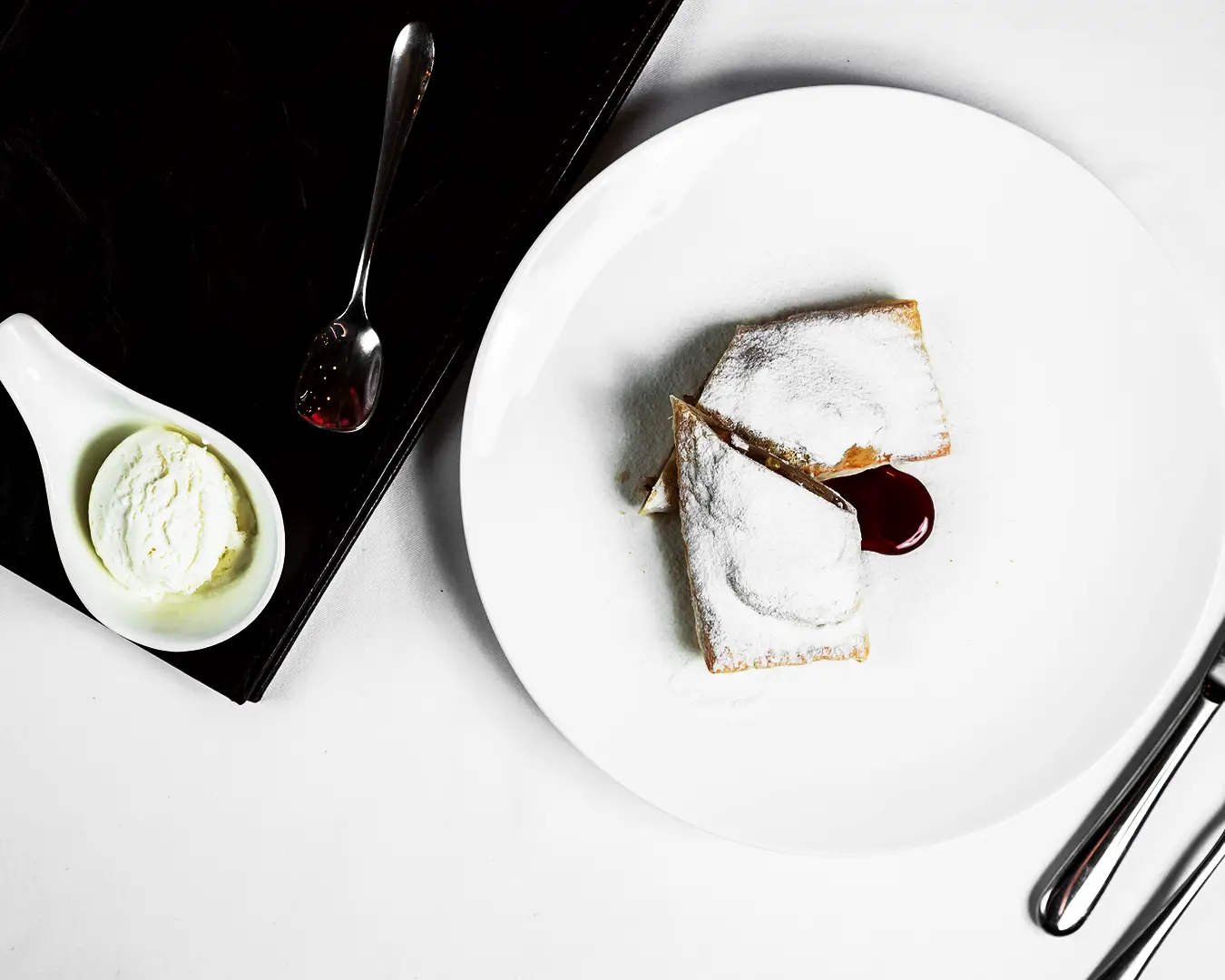
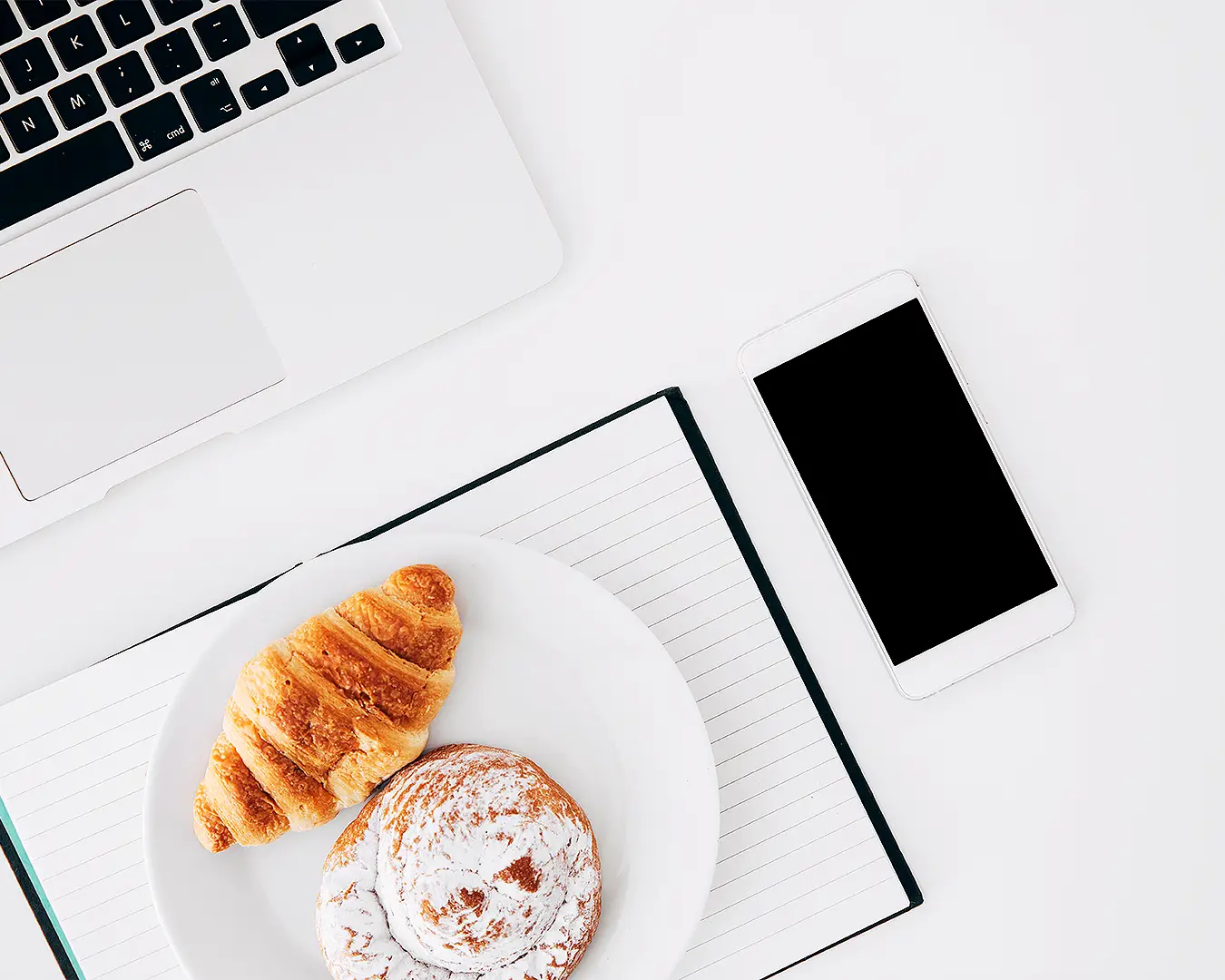
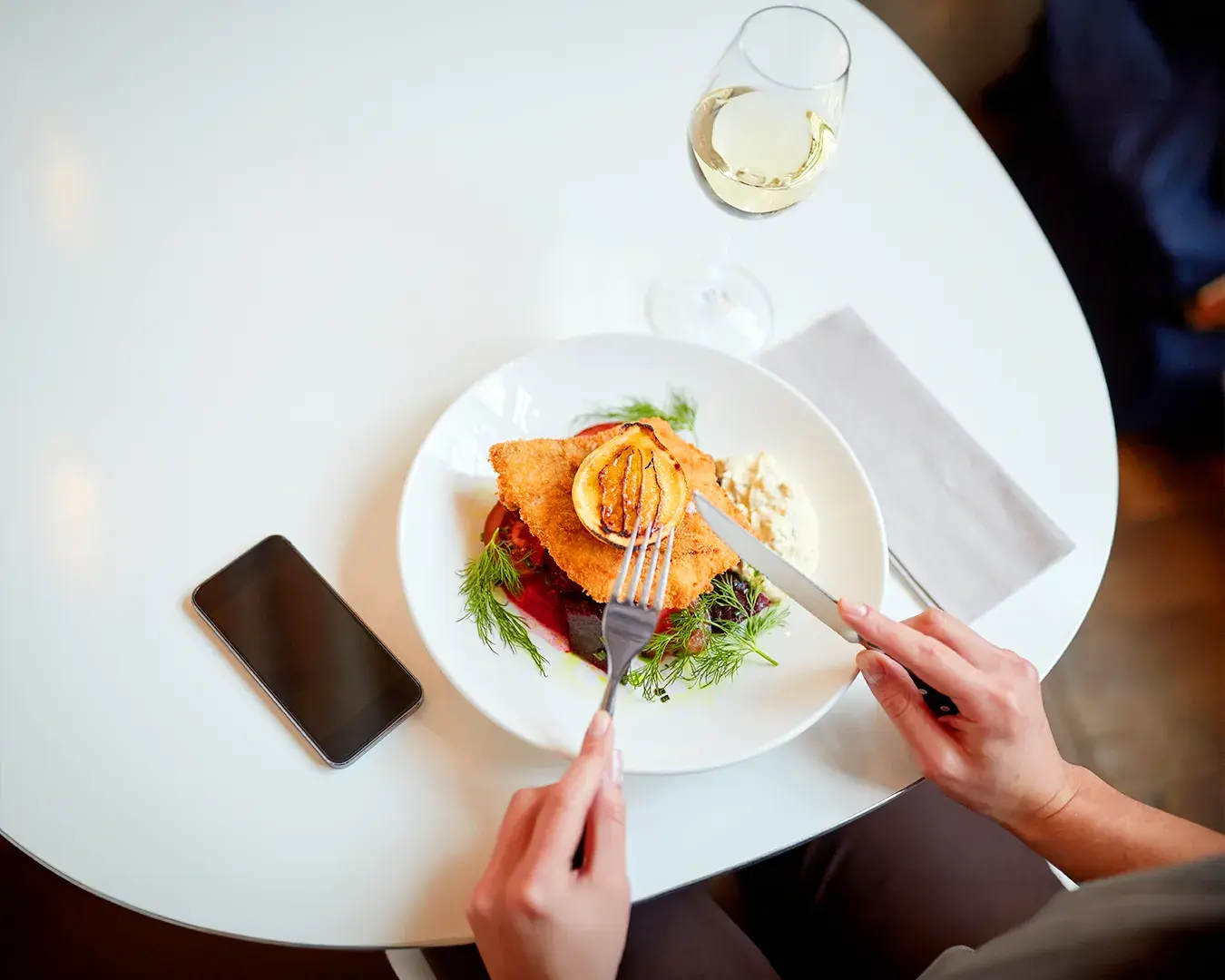
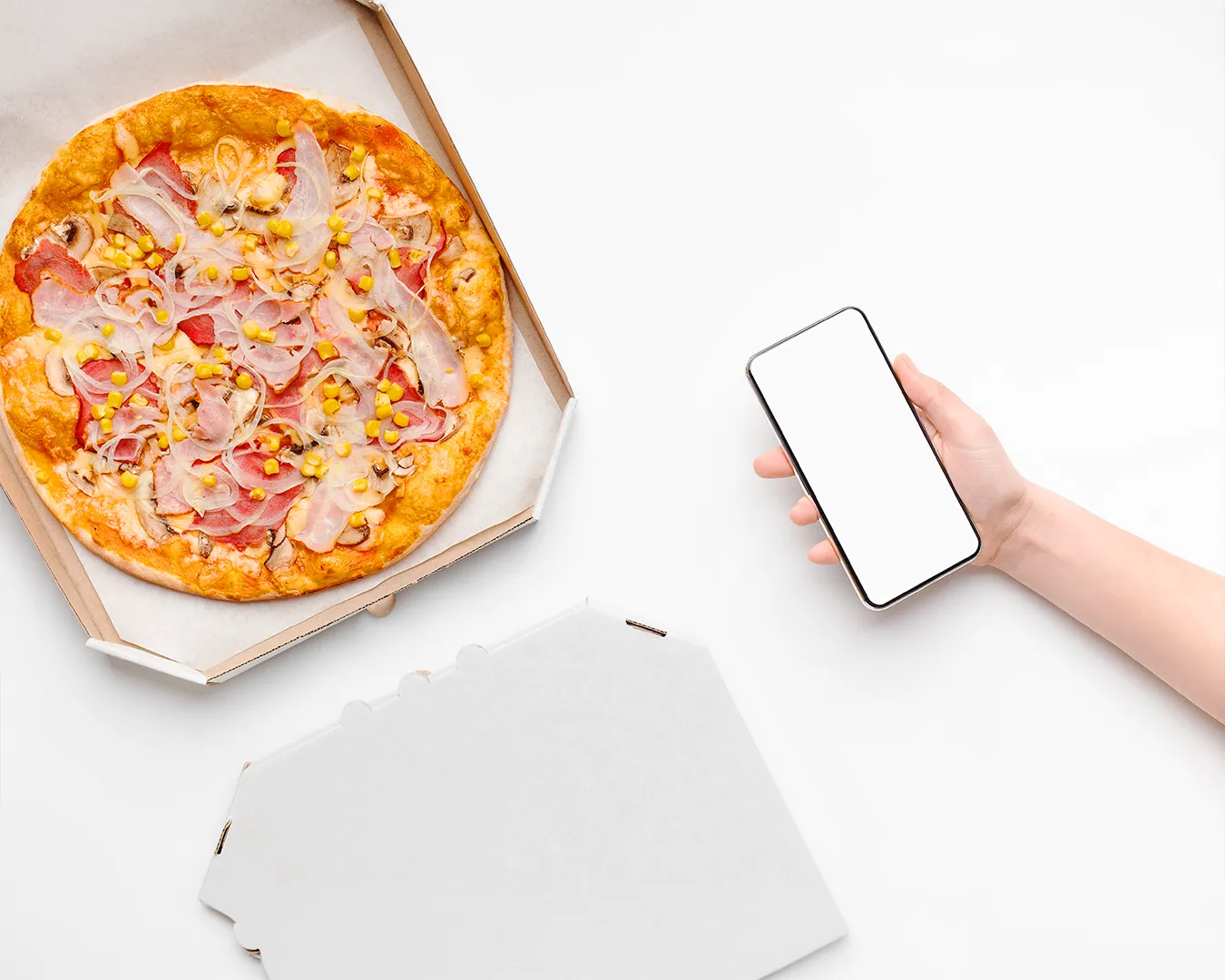
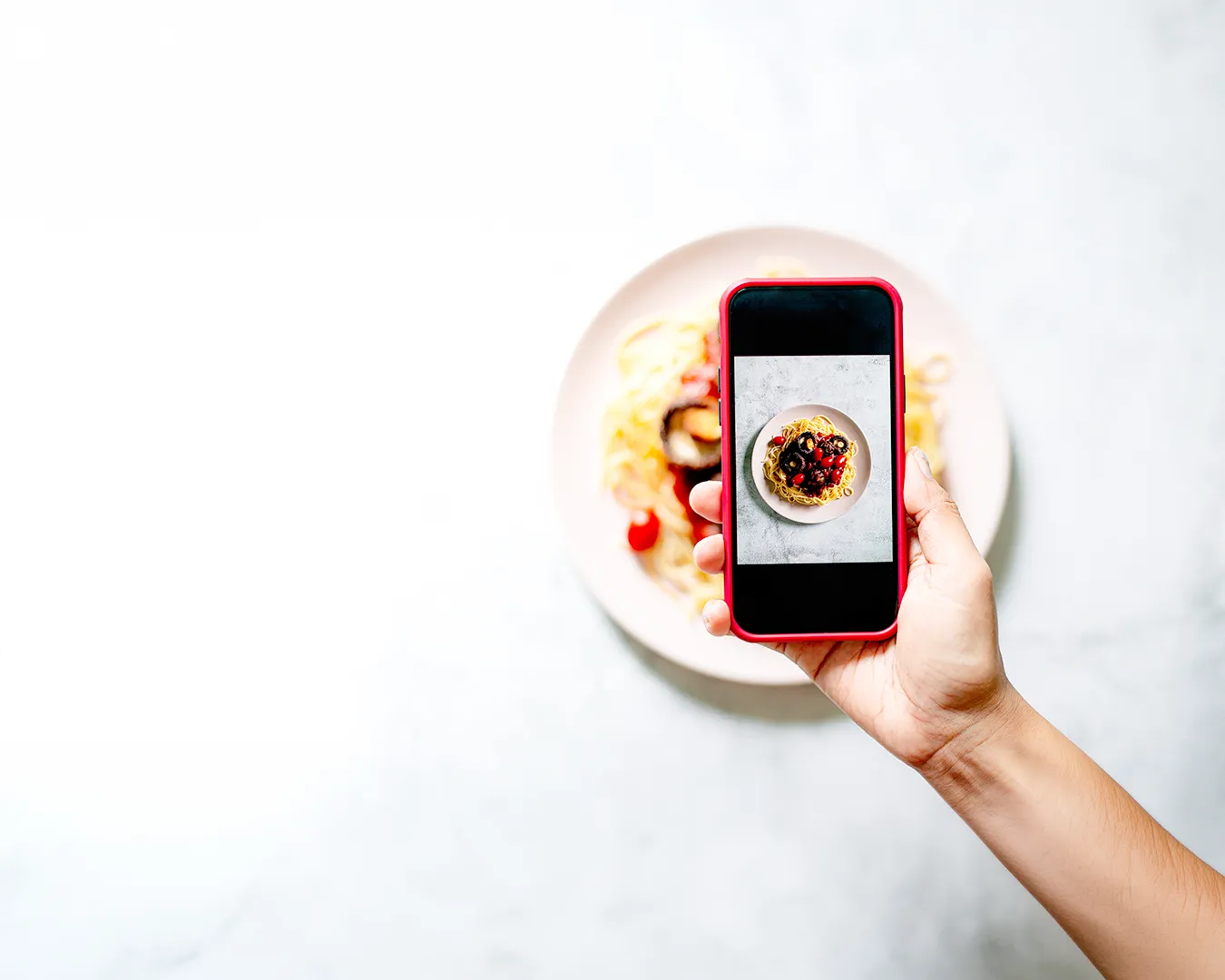
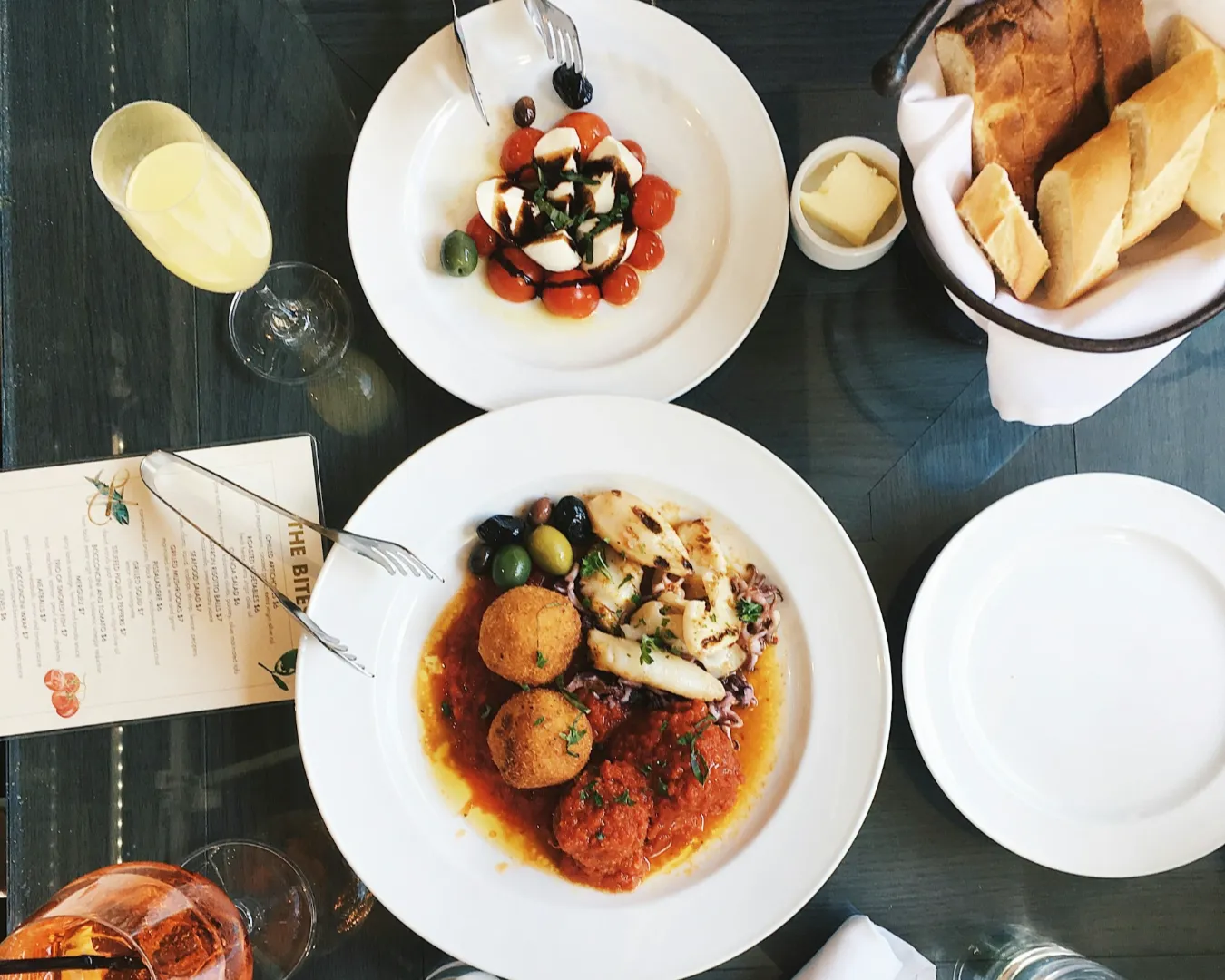
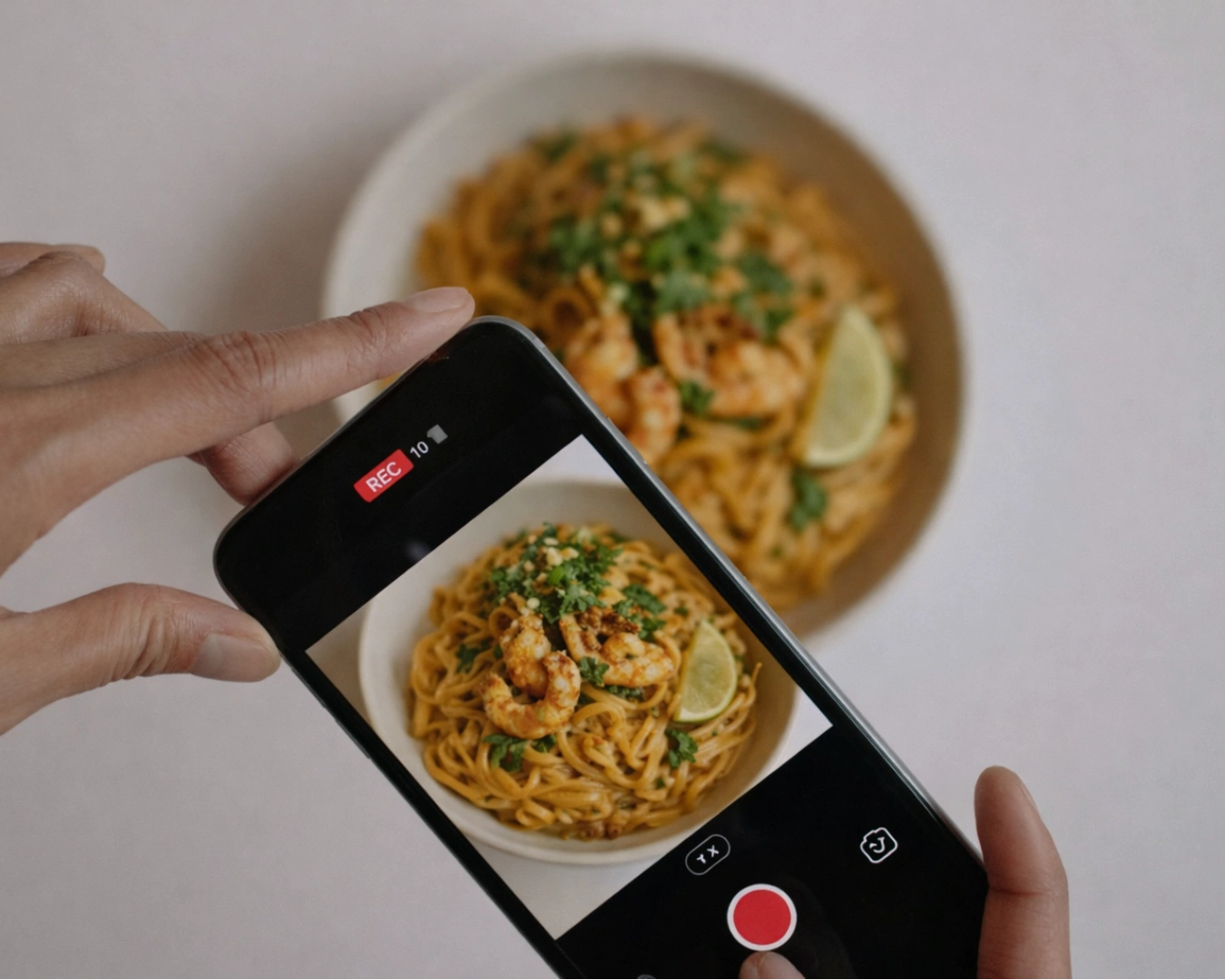
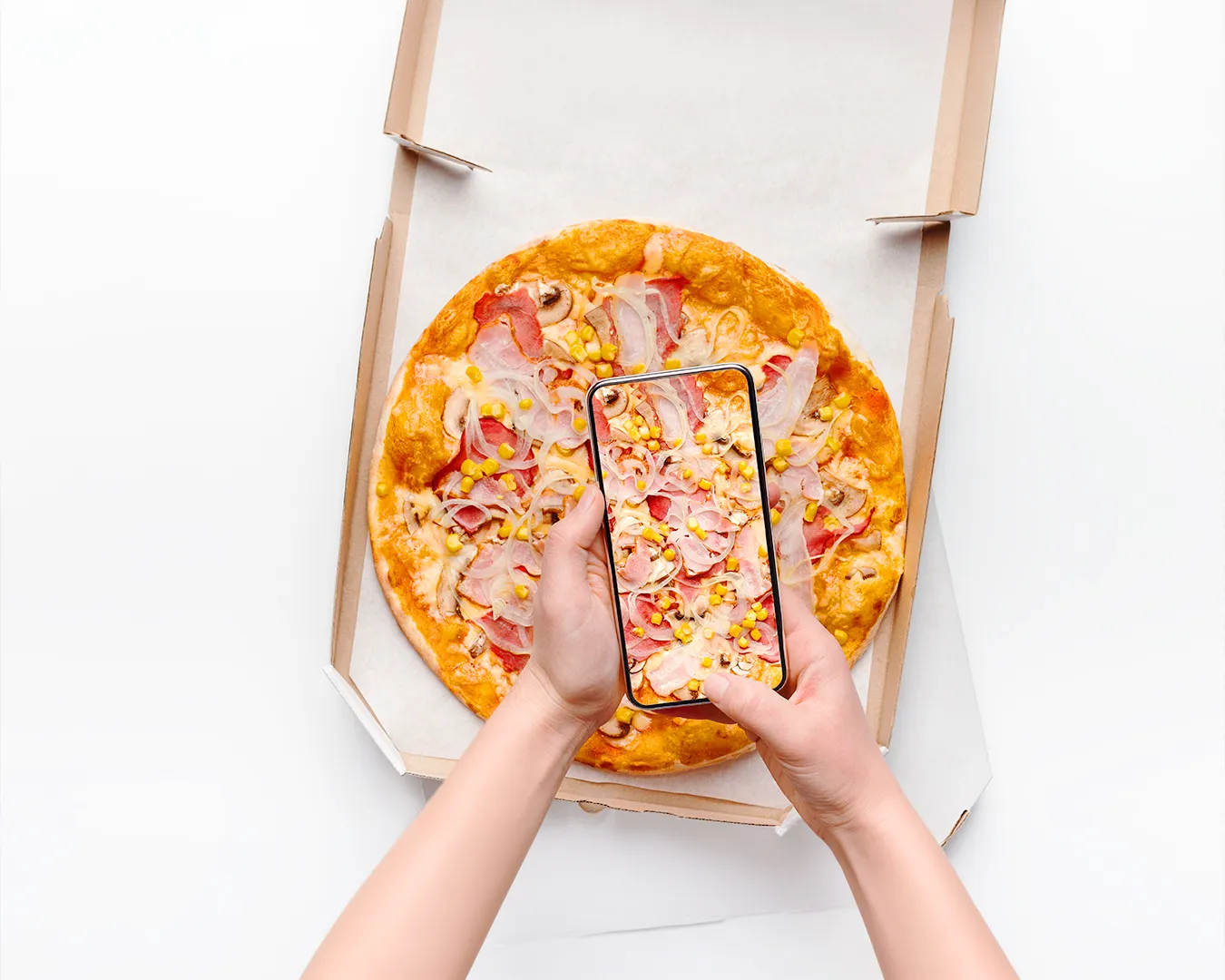
The most effective format for delivery menus is the clean, high-angle top-down shot, often called a flat lay. This angle allows the user to see the entire surface area of the meal, revealing the protein ratios, the side dishes, and the portion volume in a single glance.
- Avoid deep side angles or macro close-ups that focus on a single piece of garnish while obscuring the rest of the plate.
- Keep your backgrounds neutral, matte, and free of distracting props like raw ingredients or unrelated kitchen utensils.
- The food must be the absolute hero of the frame, presented with bright, natural lighting that emphasizes freshness and heat.
Formatting Assets for Aggregator Layouts
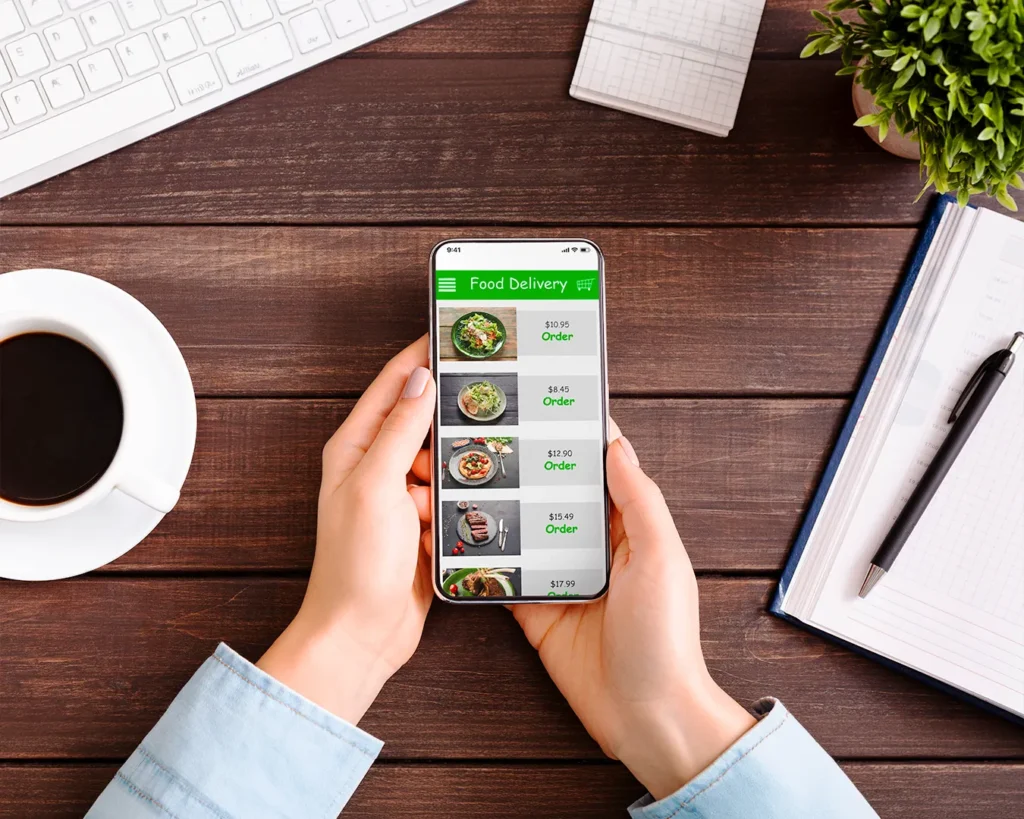
Every delivery platform uses its own specific crop ratios, compression algorithms, and display dimensions. If you upload a generic image asset without adapting it to these guidelines, your food will end up awkwardly cropped.
A beautiful dish loses its appeal if the edges of the box are cut off or if the central protein is obscured by a promotion banner. You must build an operational media library that accounts for these technical constraints:
- The Square Layout: Ensure your signature item sits dead center in a 1:1 frame to fit major aggregator grids.
- The Landscape Header: Keep your high-margin dishes arranged horizontally to serve as your main banner asset.
- The Text Buffer: Leave clear whitespace around the edges of the frame so platform text overlays do not block the view of the food.
When your media assets are technically optimized for mobile interfaces, your menu looks clean, professional, and trustworthy.
Testing Your Images Against Real Operational Standards
Your digital delivery menu is a live sales environment. If your current photography features dishes that your kitchen line struggles to assemble consistently under pressure, you will face a wave of bad reviews.
Never advertise a presentation that your team cannot replicate during a hectic rainy-day rush. When thinking about what to post, your delivery images must represent your repeatable operational baseline. When the physical box arrives at the customer’s door and looks identical to the digital thumbnail on their screen, you convert a casual delivery user into a permanent regular.
Reviewing Your Digital Menu Assets
Open your restaurant’s profile on a food delivery app right now. Look at your top five bestselling items. Do those images clearly communicate the exact portion size and value, or are they just generic, pretty pictures?
If your photography is not actively driving conversion volume, your digital storefront needs a tactical adjustment. We can help you audit your current media assets and build a high-conversion delivery menu that matches your kitchen’s real-world output. Let us perform a quiet review of your digital assets to see where your menu is losing sales.