
Most restaurants know more about the delivery platform’s customers than their own.
That’s the uncomfortable truth behind restaurant marketing Singapore. You can see table turns, average spend, maybe a name on a reservation. But you don’t know who came back for the third time, who stopped coming after a bad experience, or who’s about to become a regular if someone just remembers their name.
That gap isn’t a technology problem. It’s a first party data problem, and closing it starts with knowing how to collect first party data restaurant owners can actually use, not just store.
Privacy Regulations Are Ending Third Party Data

For years, restaurants leaned on third party data. Facebook pixels, boosted posts, retargeting through platforms that quietly tracked diners across the web. That era is closing.
Third party cookies are being phased out, privacy regulations are tightening, and the platforms that used to hand you an audience now sell access to their own. Consumer behavior is harder to track from the outside than it used to be.
In today’s marketing world, if your growth depends on borrowed data, you’re renting an audience you never actually own.
Data Collection Starts With Customer Interactions
Gathering first party data is not complicated in principle. It’s anything you collect directly, with explicit consent, from your own customer interactions and customer service interactions. A phone number left for a reservation. A birthday shared for a loyalty programme. A response to a customer survey after a slow Tuesday dinner. Unlike third party data, it isn’t guessed at or purchased. It’s given to you, which is why first party data is important: it’s more accurate, and it’s yours to keep. First party data collection also tends to be cheaper than buying reach, since you already have the relationship.
A few first party data examples worth noting: reservation details, order history, feedback forms, loyalty sign-ups, and email opens. Some data is collected indirectly, through POS transaction data or app engagement, without the customer filling out a single form. Even small data points, a preferred seating area, a usual drink order, add up into something valuable over time.
It’s worth separating this from two related terms. Second party data is someone else’s first party data, shared with you through a partnership. Zero party data is what a customer volunteers proactively, before you even ask. All three sit on a spectrum of trust, and first party sits at the top.
The Benefits of First Party Data

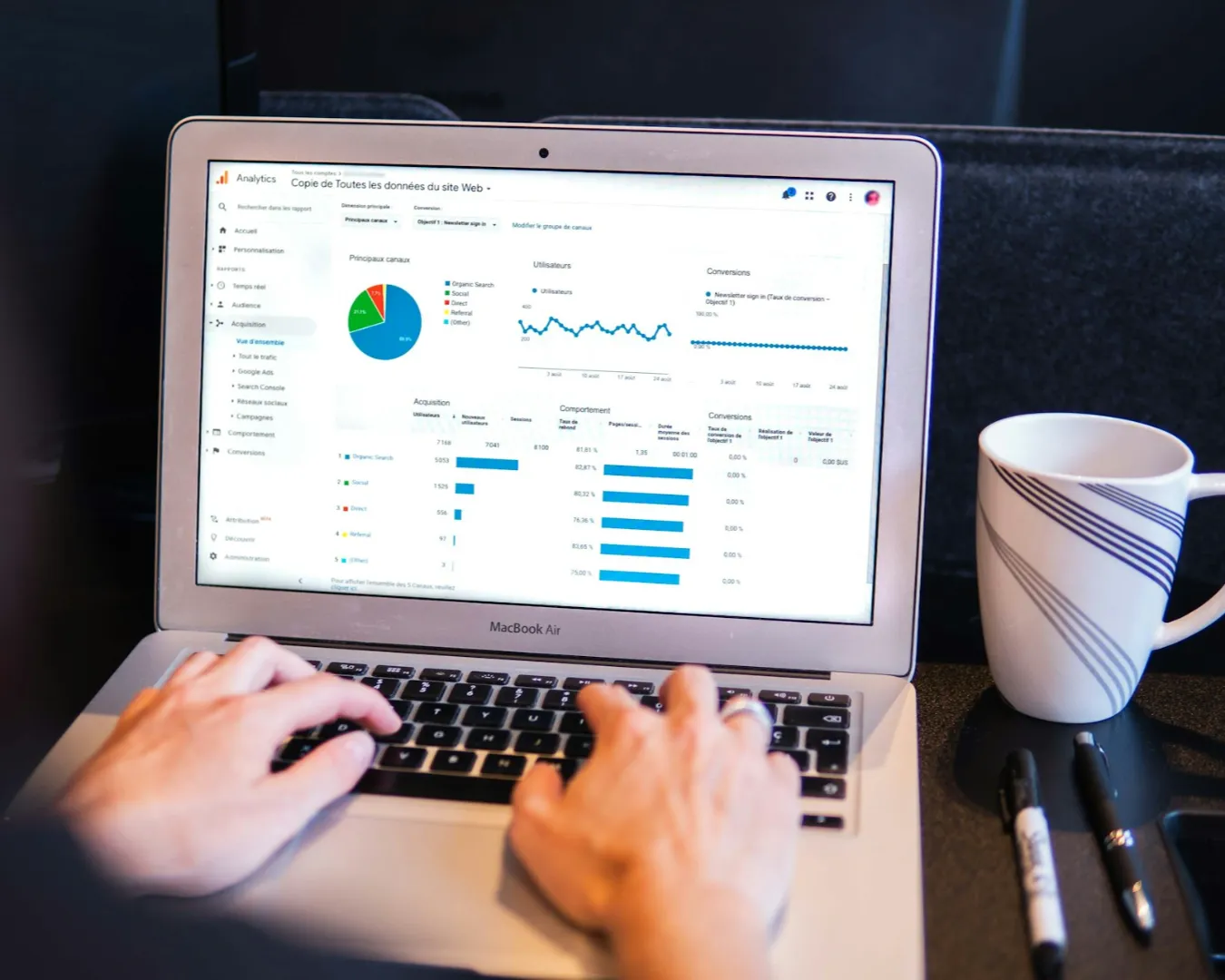
The benefits of first party data show up in decisions, not dashboards. Using first party data well means reading actual customer behaviour and user behaviour instead of relying on assumptions. Purchase history and purchase frequency tell you which regulars are quietly slipping away, letting you identify at risk customers before they disappear for good. Tracking customer preferences over time, favourite tables, dietary needs, usual order, turns a one-time diner into someone who feels genuinely known.
First party data helps most when it changes what you actually do differently. Leveraging first party data this way also builds customer lifetime value. A guest who feels remembered spends more over a year than five guests who came once for a promotion and never came back. That’s the real business value: fewer discounts needed to keep people coming through the door.
Guests notice when a restaurant remembers them, and that recognition drives customer satisfaction in a way no discount code can replicate. Raw numbers alone aren’t customer insights. The insight comes from connecting behavioural data to a decision: which guests visit most often, which ones have gone quiet, which promotions actually drove a second visit rather than just a first one.
Building a First Party Data Strategy Without a Data Team
A workable first party data strategy doesn’t require a data science team. It requires deciding, at each point in the customer journey, to ask for something small and use it well.
At booking: name, contact, occasion, communication preferences
At the table: preferences noted by staff, spoken feedback caught in the moment
After the meal: a short customer survey, ideally under two minutes, capturing customer feedback
Through loyalty programs: visit frequency, spend, transaction data, and audience insights over time
None of these interactions need to feel like data collection to the guest. They just need to feel like good customer service, and an enhanced user experience follows naturally. Data collected this way is naturally richer, because it comes from relevant customer experiences rather than a form filled out under pressure. It also gives you a clearer view of customer relationship health than any single marketing campaign ever will.
From Fragmented Data to a Customer Data Platform (CDP)
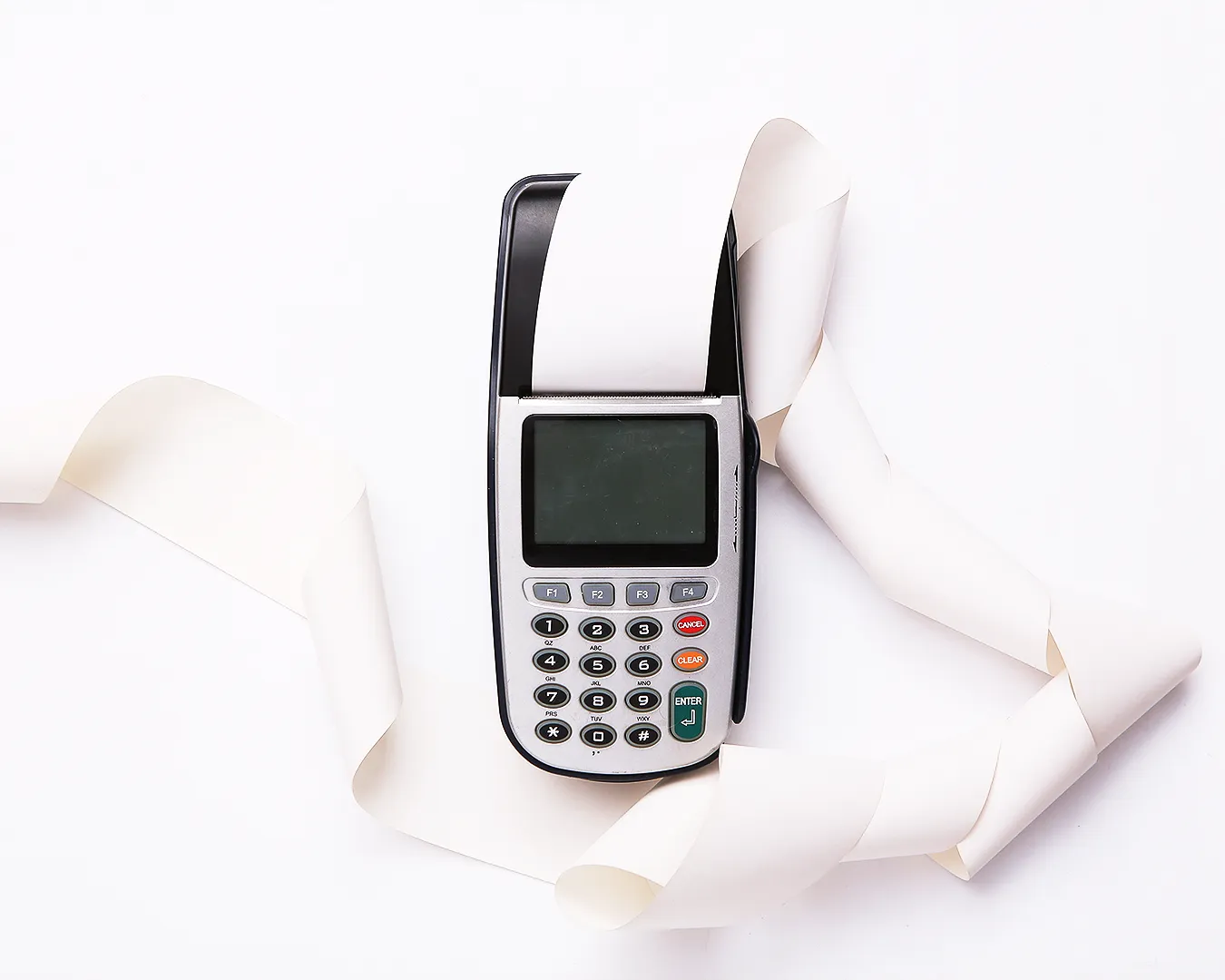
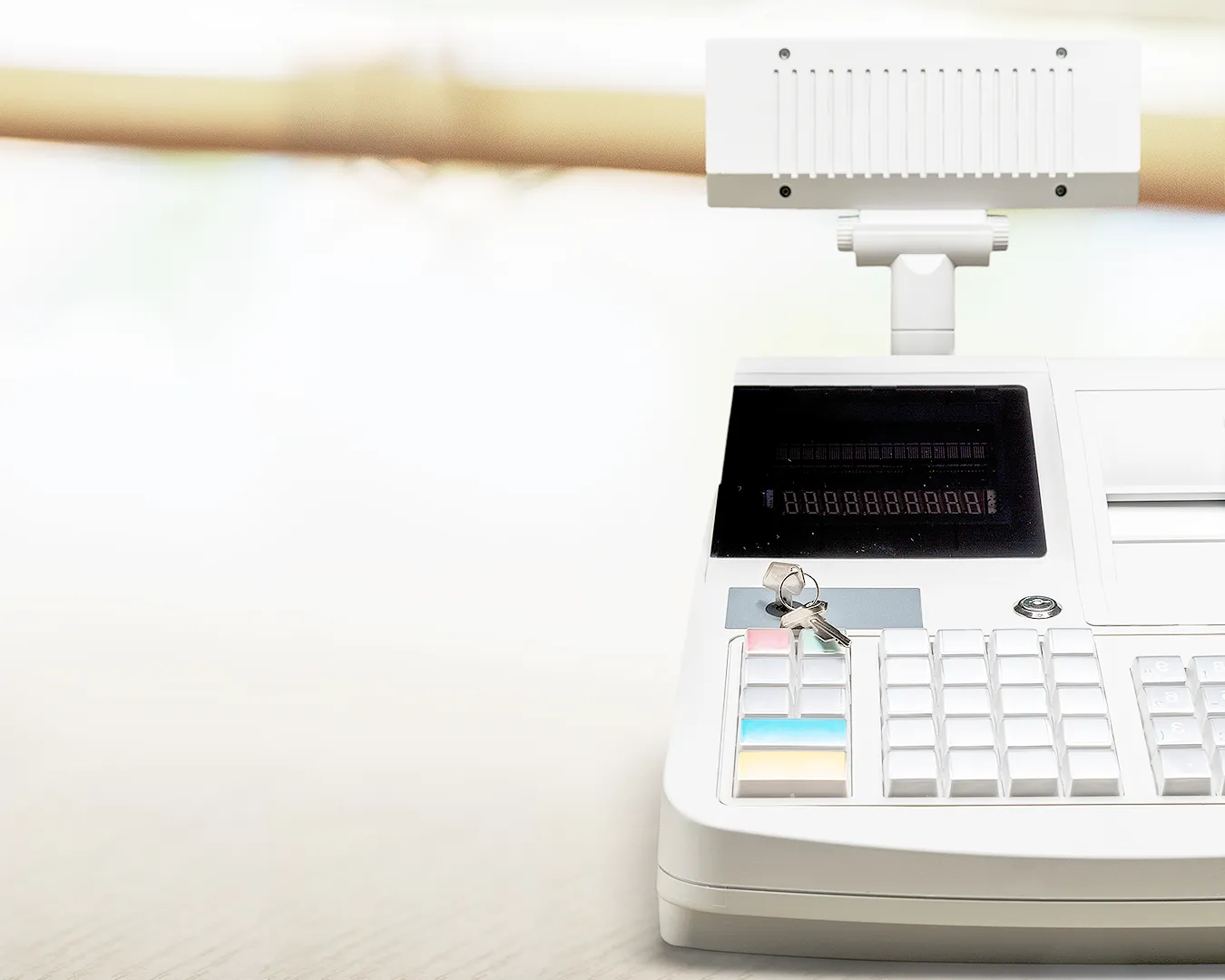
The mistake most owners make isn’t the collecting. It’s leaving data fragmented across a POS system, a reservations tool, and a stack of paper forms in a drawer. Your customer relationship management system holds one slice. Your reservations software holds another. Other key business software, from your loyalty app to your online ordering platform, holds the rest. None of it talks to the other, so unifying data becomes the real task, not gathering more of it.
Connecting data, even in a basic spreadsheet at first, is what lets you turn scattered records into unified customer profiles. A customer data platform, or CDP, becomes worth the investment once volume grows and you want a single view across every channel, from social media platforms to walk-ins. But that’s a second step. Collecting data consistently, using whatever tool you already have, comes first.
Marketing Strategies That Improve Customer Acquisition

Once you can activate data, and activate first party data specifically, your marketing strategies stop guessing. This is where digital marketing built on real customer insights tends to improve marketing performance more reliably than digital marketing built on borrowed audiences. Campaigns rooted in what people actually did, not what a platform predicted they’d do, outperform generic ones, because you’re reminding people who already chose you once. This tends to lower the cost of customer acquisition, since retaining a guest is cheaper than winning a new one.
Sharing data internally, between your floor staff, your marketing person, and whoever runs your socials, also matters more than most owners assume. When everyone can see the same customer profile, marketing communications feel consistent rather than repetitive, and customer engagement improves without a bigger budget. This is also where you start to see your highest value customers clearly, the ones worth a personal touch, a birthday message, or a quiet upgrade.
The Reassurance
None of this requires a data team or a big budget. It requires good data practices applied consistently: capture a little, connect it, use it. The restaurants that get this right aren’t the ones with the most data. They’re the ones who let customers engage on their own terms and use what they learn to make the next visit feel personal, visit after visit.
If you’re not sure where your customer data currently lives, or whether you’re collecting anything usable at all, that’s worth a quiet look before you spend another dollar on ads. At Atelier Creations, we’re happy to sit down with you and review what you already have.