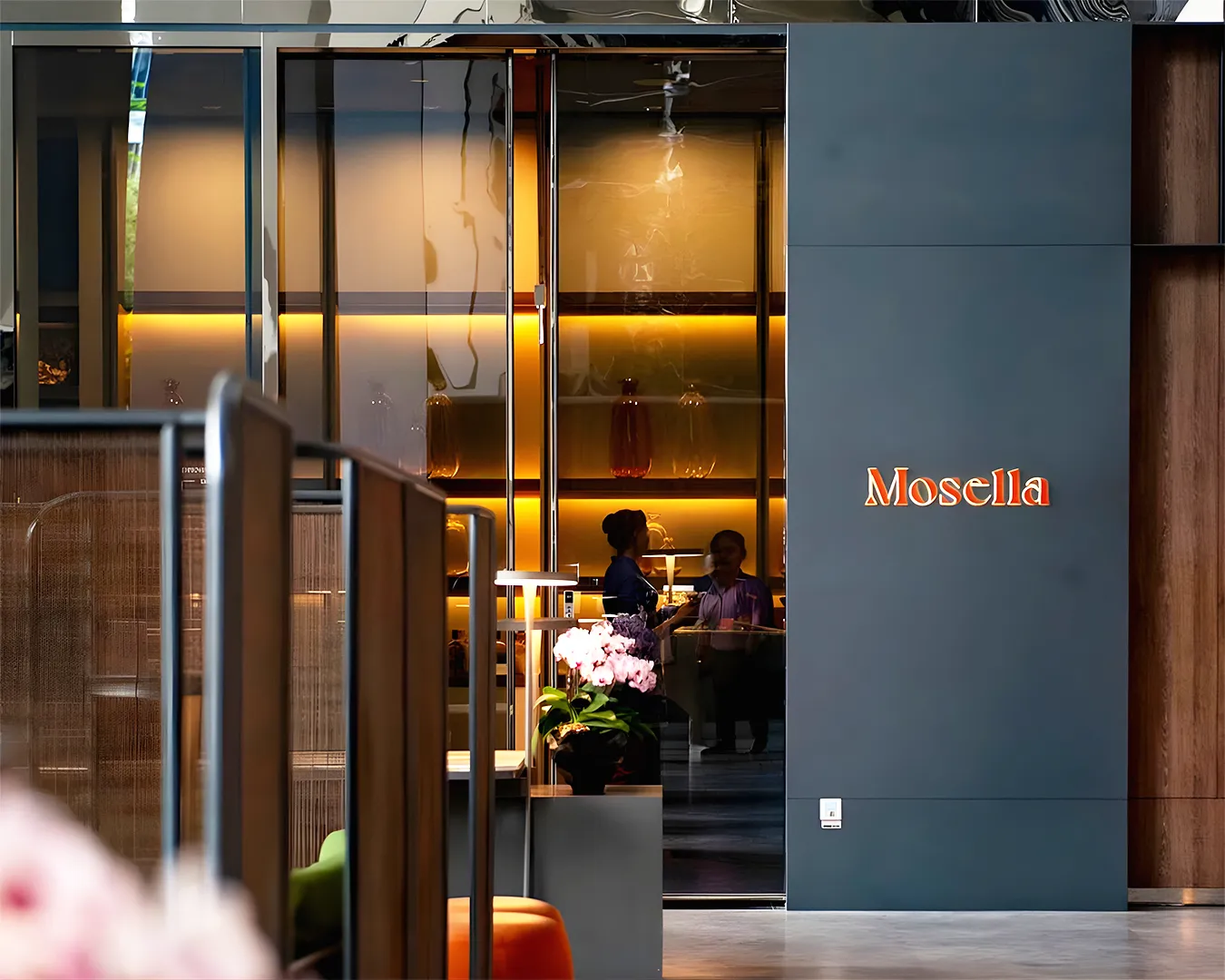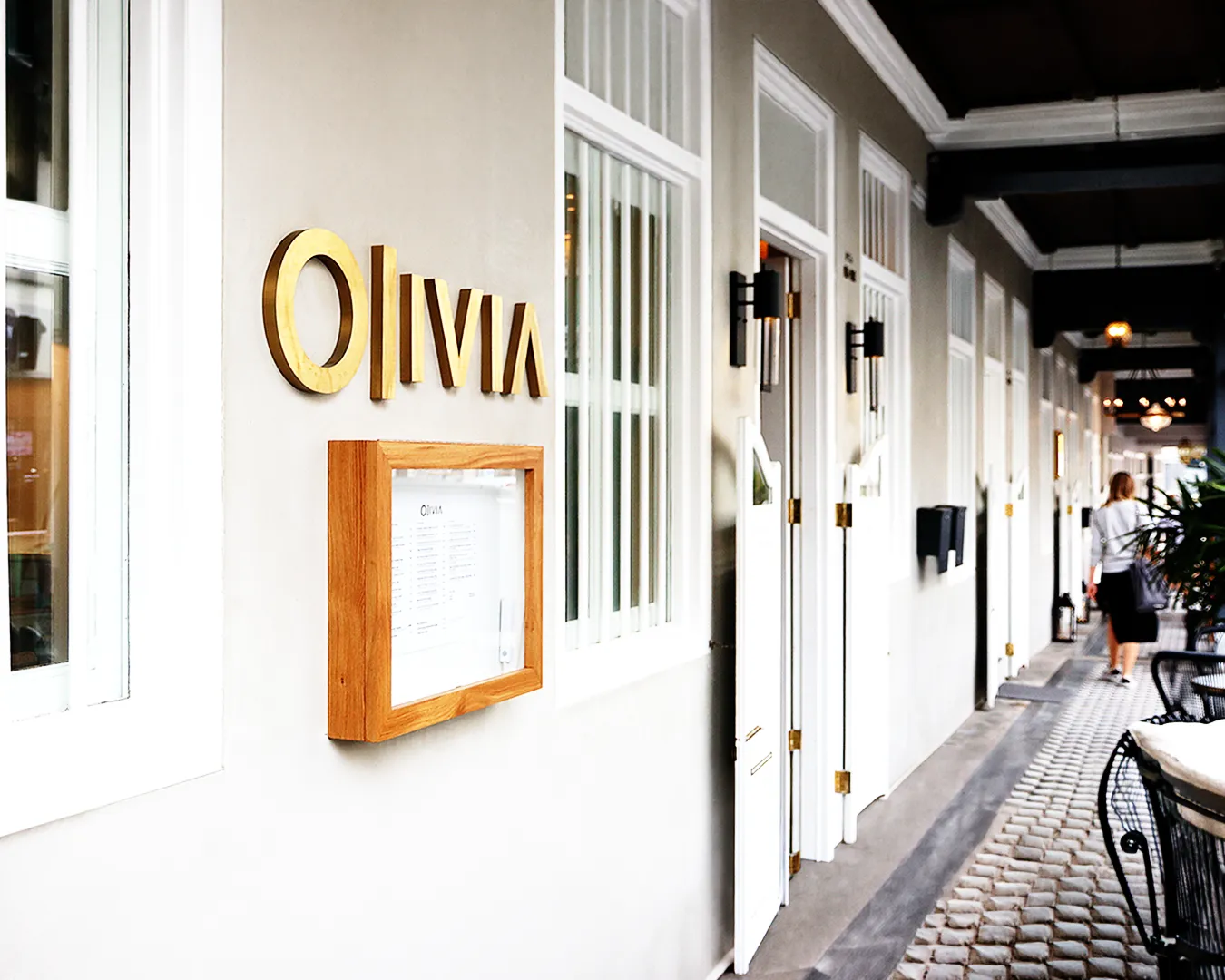
Think your brand is just a logo and a font? You’re already losing money. Many restaurant owners see branding as a creative task for designers, but in reality, brand guidelines are operational manuals. They ensure brand consistency, guaranteeing the same customer experience whether you’re in the kitchen or miles away. Without a strict set of rules, your business eventually fractures into mismatched menus, inconsistent social media, and confused staff.
The Cost of Inconsistency

Think about the last time you saw a junior staff member create a makeshift “Closed for Private Event” sign. They likely used a random font from a word processor and taped it to your expensive glass door. That single moment of convenience chips away at your premium.
Effective branding for restaurants is designed to prevent these small erosions. When every touchpoint looks and feels the same, you signal to the guest that you pay attention to detail. If you cannot be bothered to use the right logo on a flyer, a customer will naturally wonder if you are equally careless with your food hygiene or ingredient sourcing.
Beyond the Logo: The Verbal Framework
Most guidelines focus heavily on the visual, but the way your brand speaks is just as vital. Do you use “Lah” in your marketing copy? Is your tone formal or cheekily irreverent?
A lack of verbal guidelines leads to a “personality split.” Your Instagram might sound like a Gen Z influencer while your physical menu reads like a stuffy hotel bistro. This creates friction. Customers are drawn to predictability. They want to know exactly what kind of experience they are buying into. Your guidelines should dictate the language your team uses in captions, email replies, and even how they greet guests at the door.
Operationalizing Your Visuals
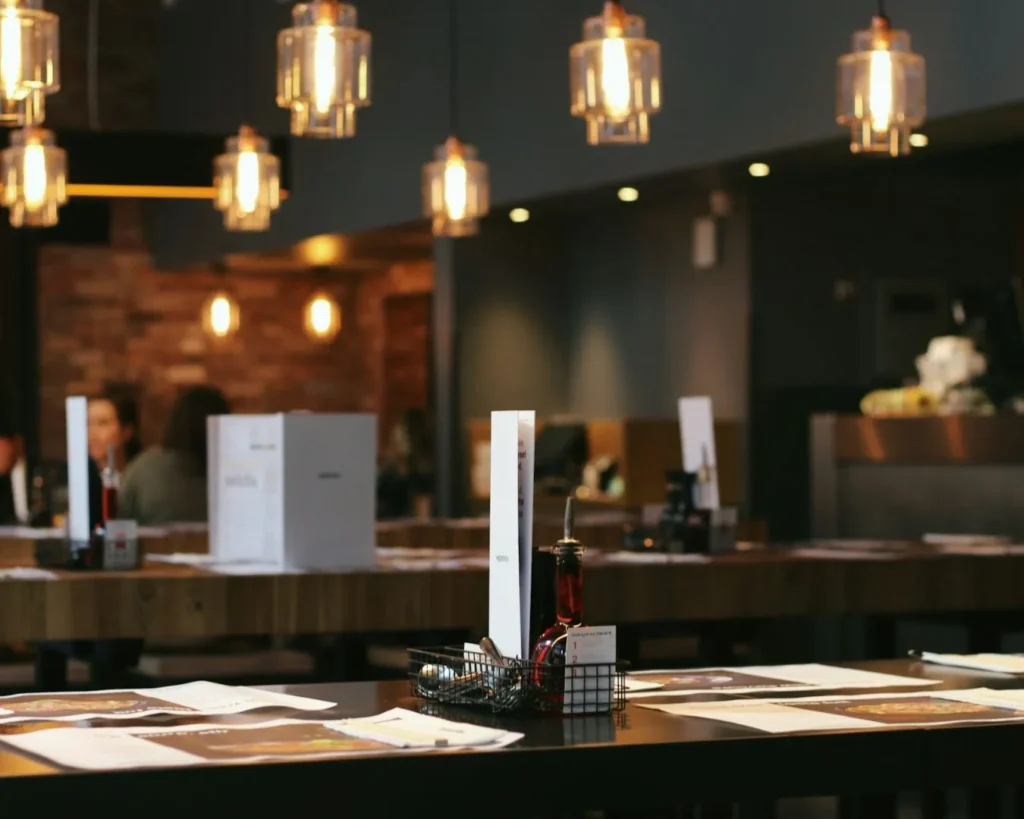
Your brand should be built for the reality of a fast-paced Singaporean kitchen. This means your visual rules must be practical.
- Color Palettes: Do your colors look good on cheap receipt paper and expensive cardstock alike?
- Photography Style: Is your food shot under warm dining room lights or clinical kitchen LEDs? Pick one and stick to it.
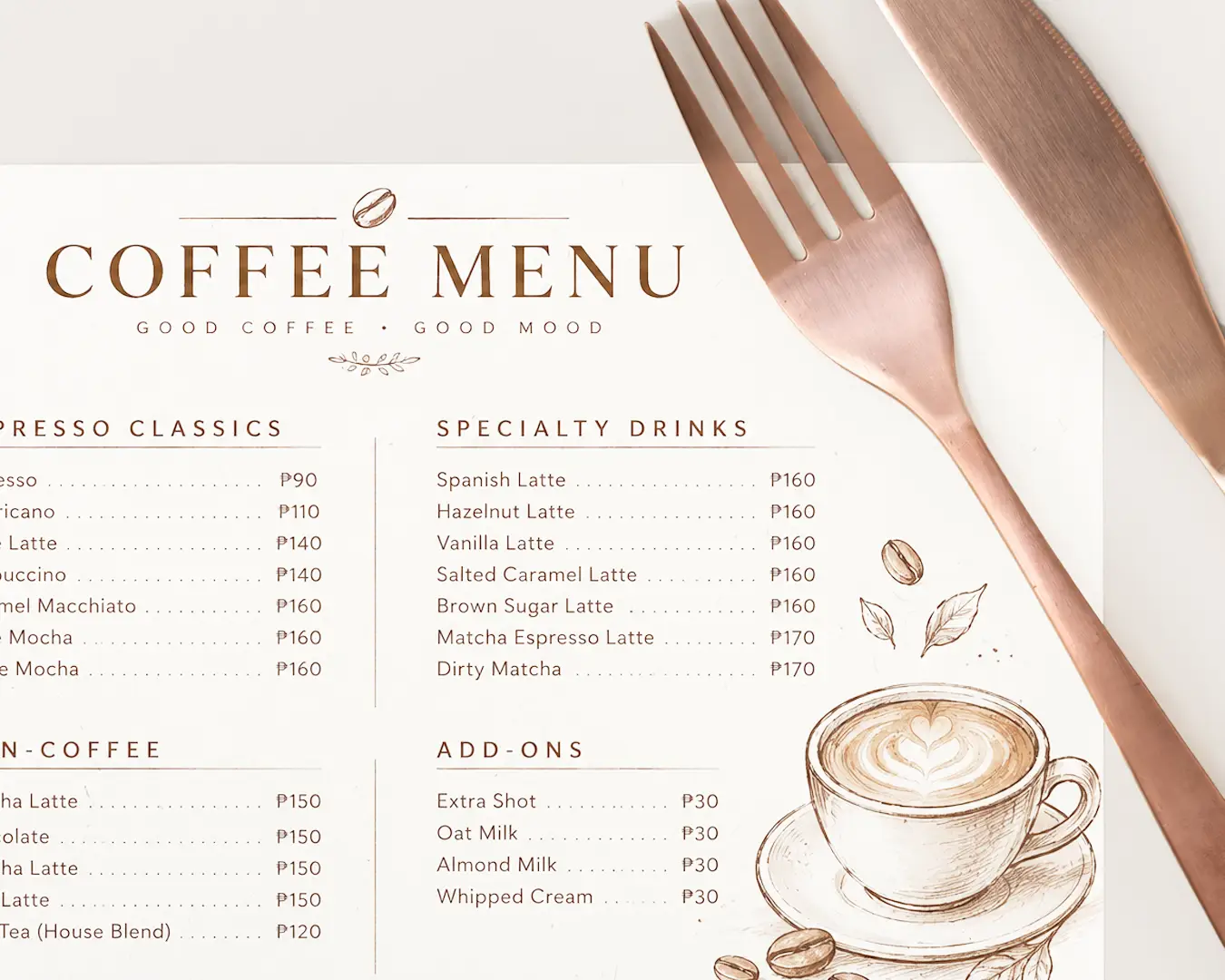
- Typography: Can your staff easily access the fonts you have chosen, or will they default to Arial because the “brand font” is hidden on a designer’s hard drive?
If your guidelines are too complex to follow during a busy Friday lunch service, they are useless. We prioritize rules that can be executed by a tired manager at 11 PM. Consistency is a byproduct of simplicity.
Why Scale Depends on Rules
You might manage one outlet perfectly through sheer force of will. However, if you plan to open a second or third location, your physical presence cannot be everywhere at once.
Brand guidelines are the only way to “clone” your standards. They allow a new manager in a different neighborhood to make decisions that align with your original vision. When the rules are written down, you stop being a micromanager and start being a founder. You move from a business that relies on your constant supervision to a brand that can stand on its own.
Stepping Back from the Pass

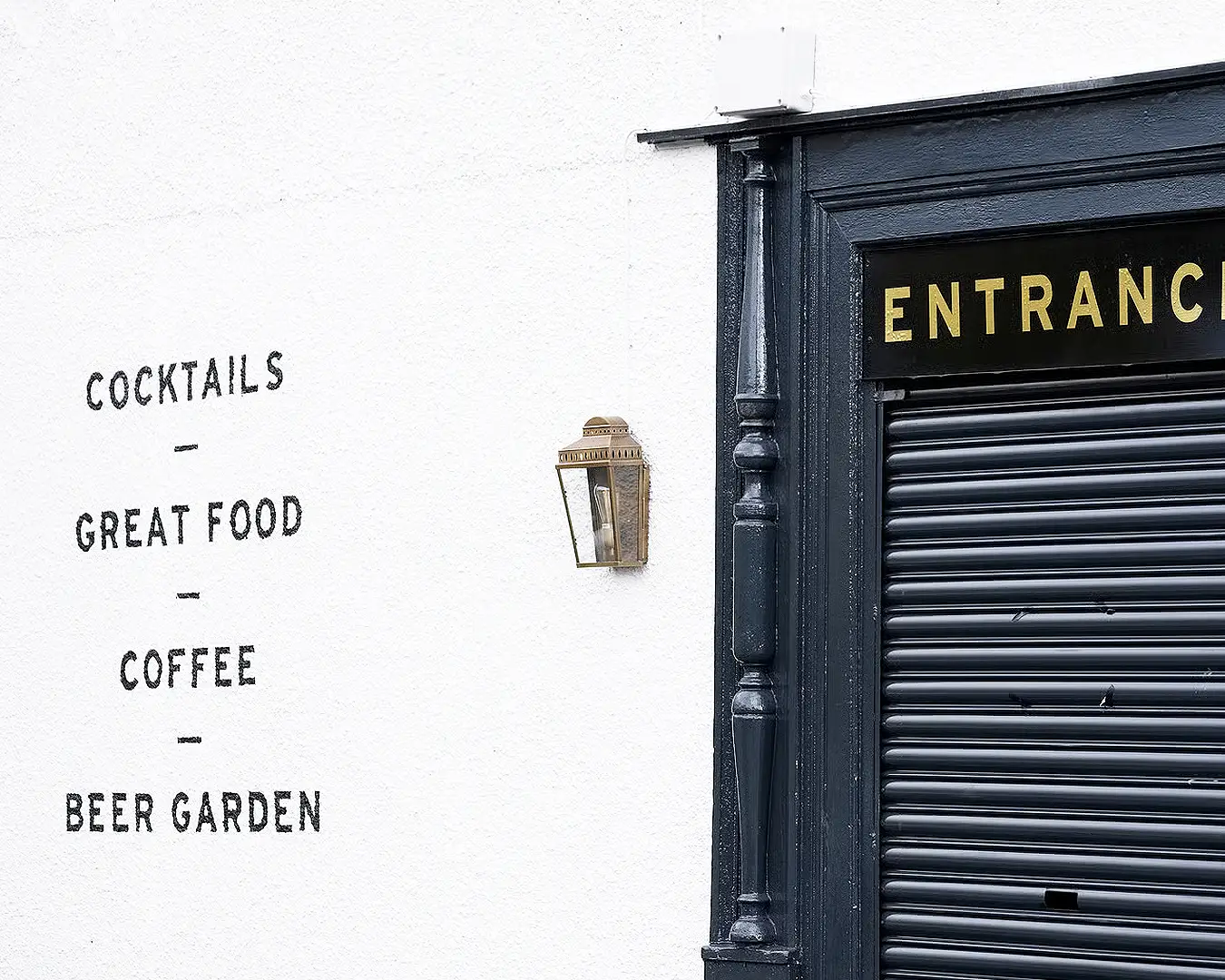
Take a walk through your restaurant tomorrow morning before the first customer arrives. Look at the signage, the menu inserts, and the staff uniforms. If it feels like three different businesses are competing for space, your foundations are shaky.
Atelier Creations can help you look at your current identity and distill it into a set of rules that your team can actually follow. Let us conduct a brand audit to see where the gaps are.