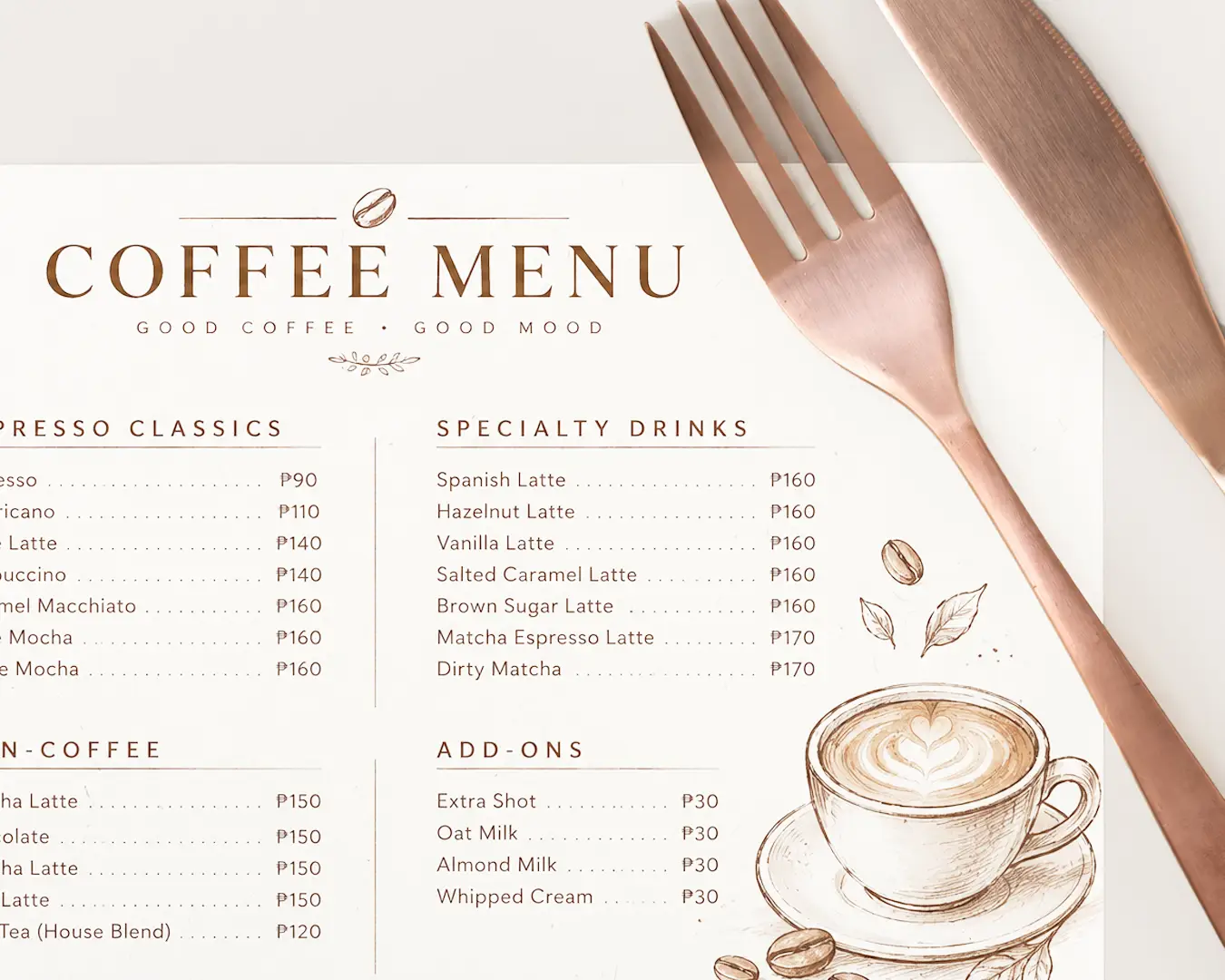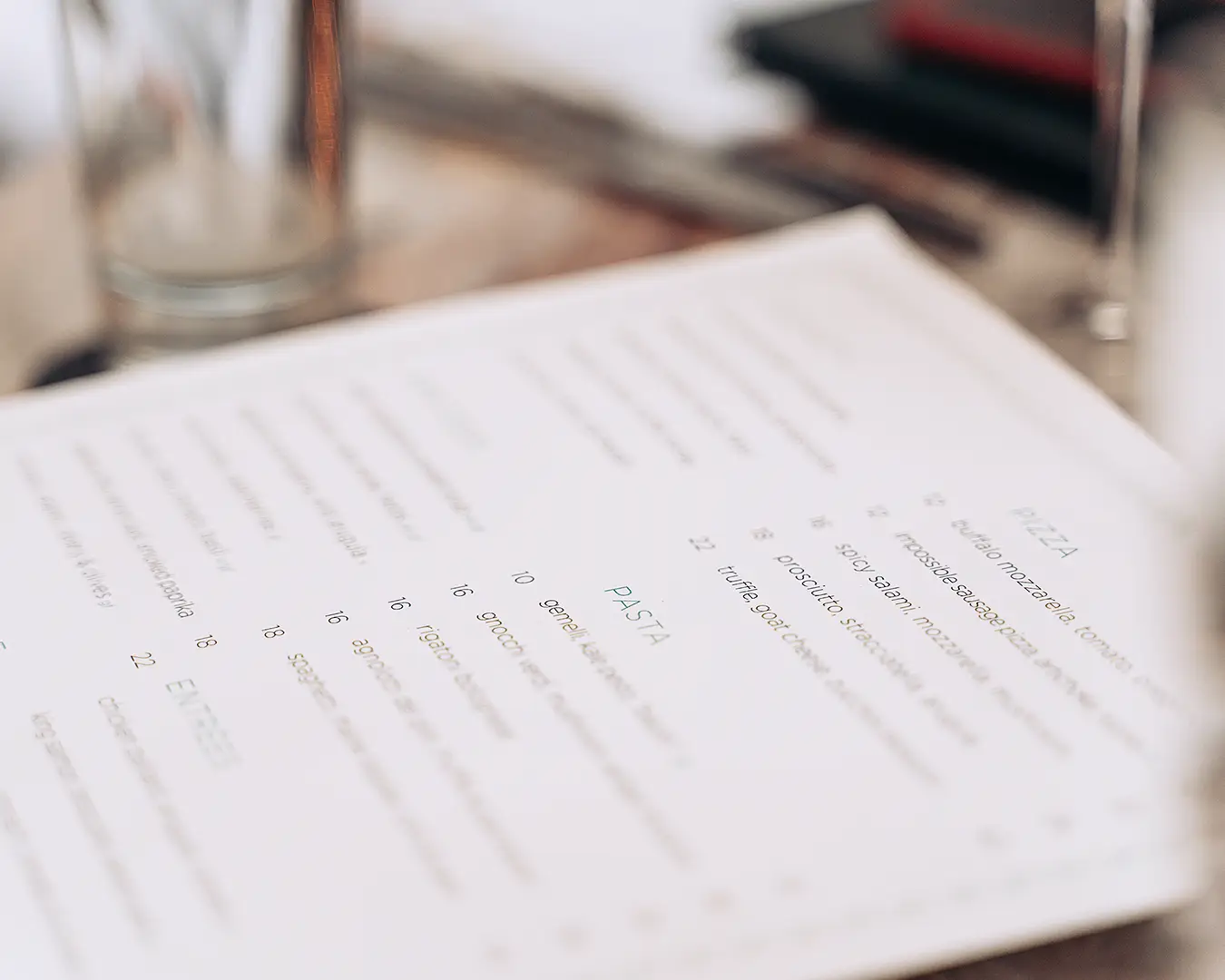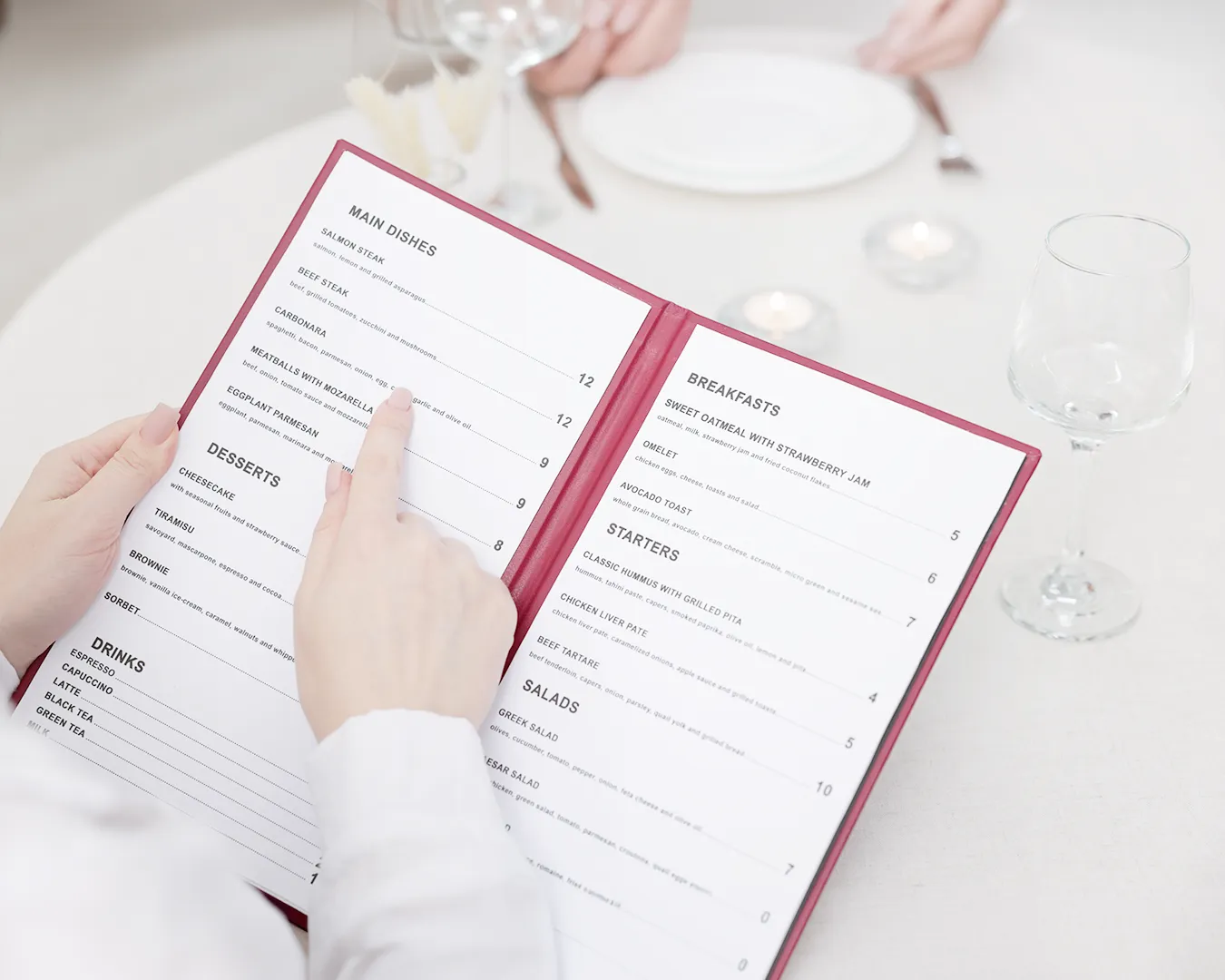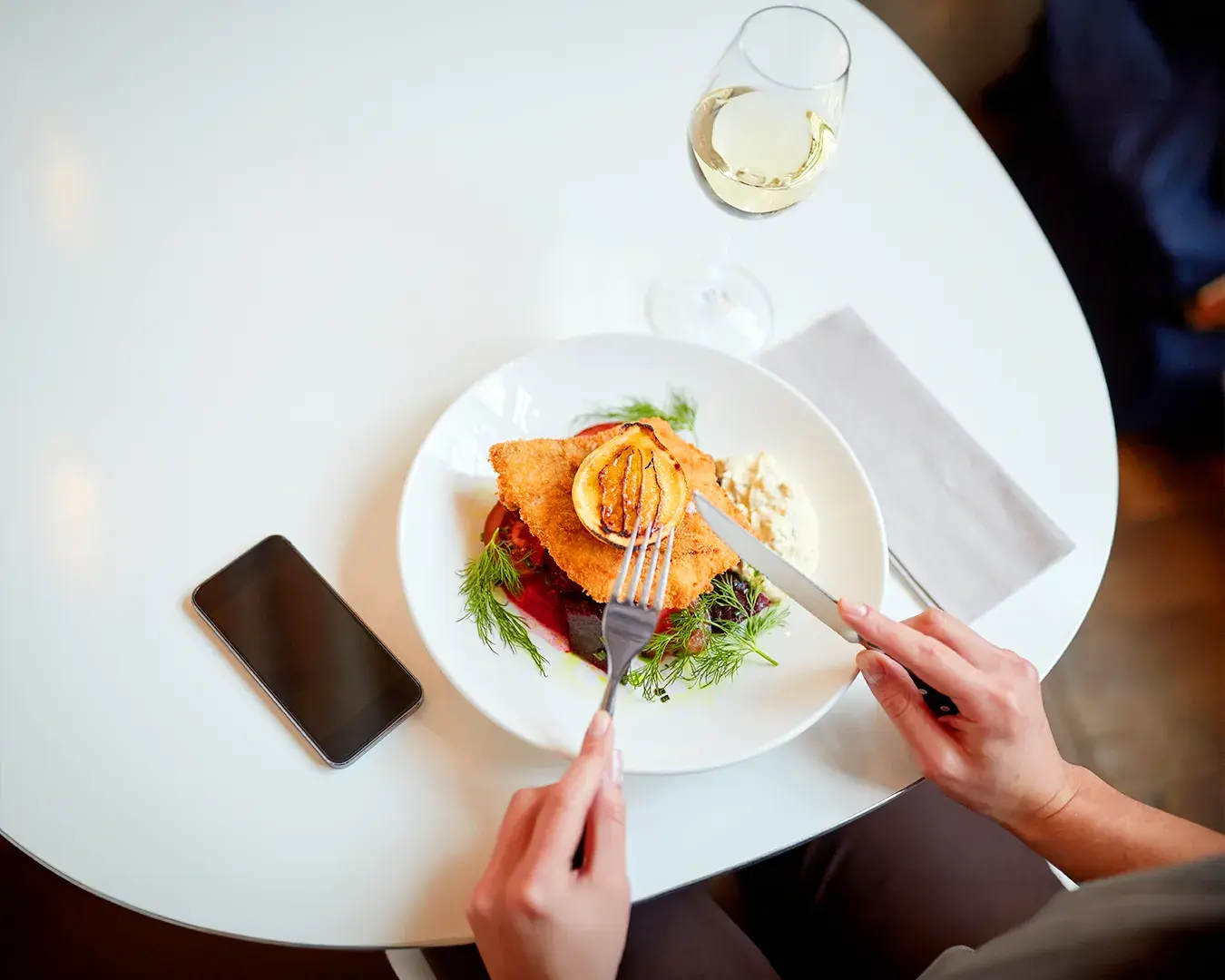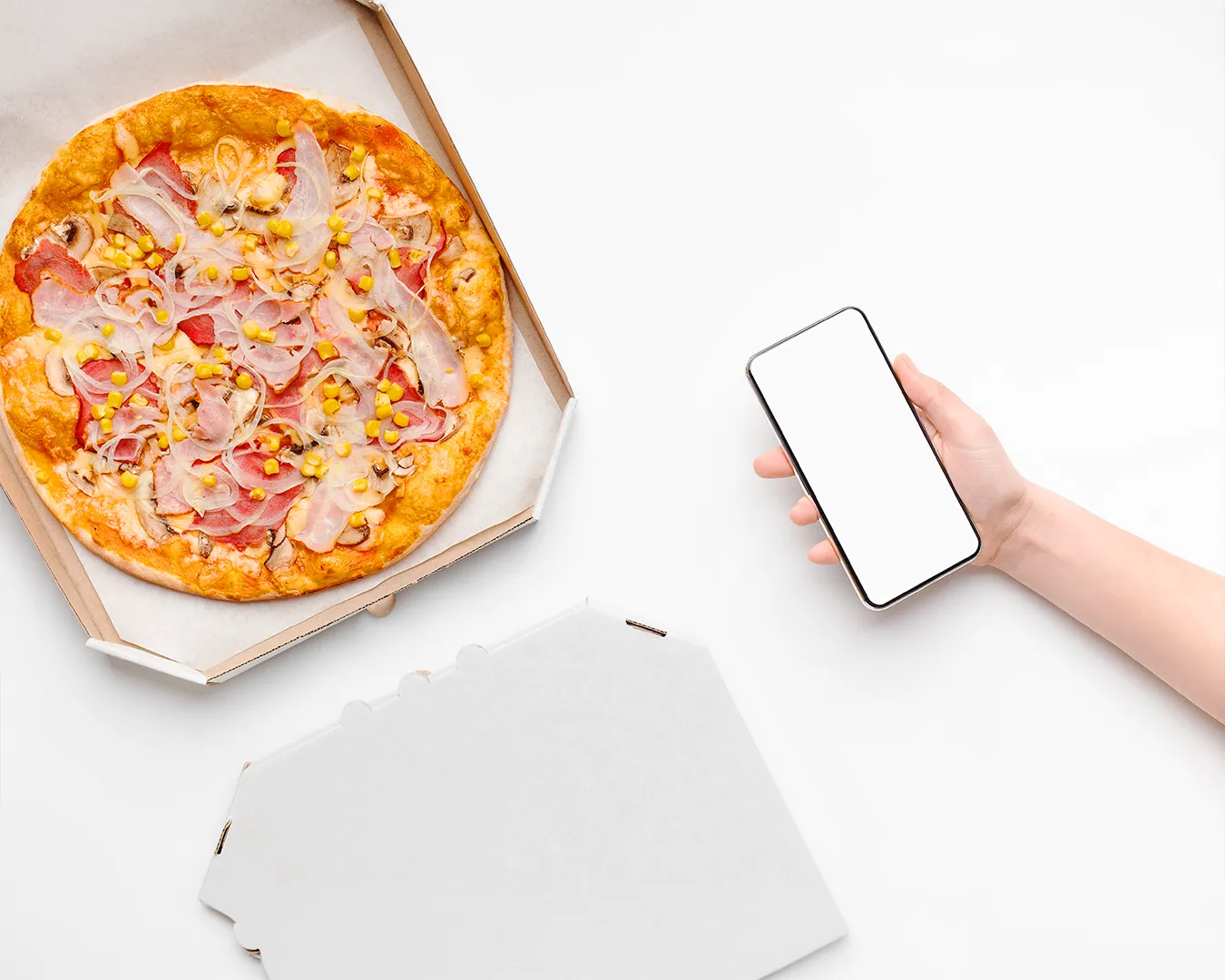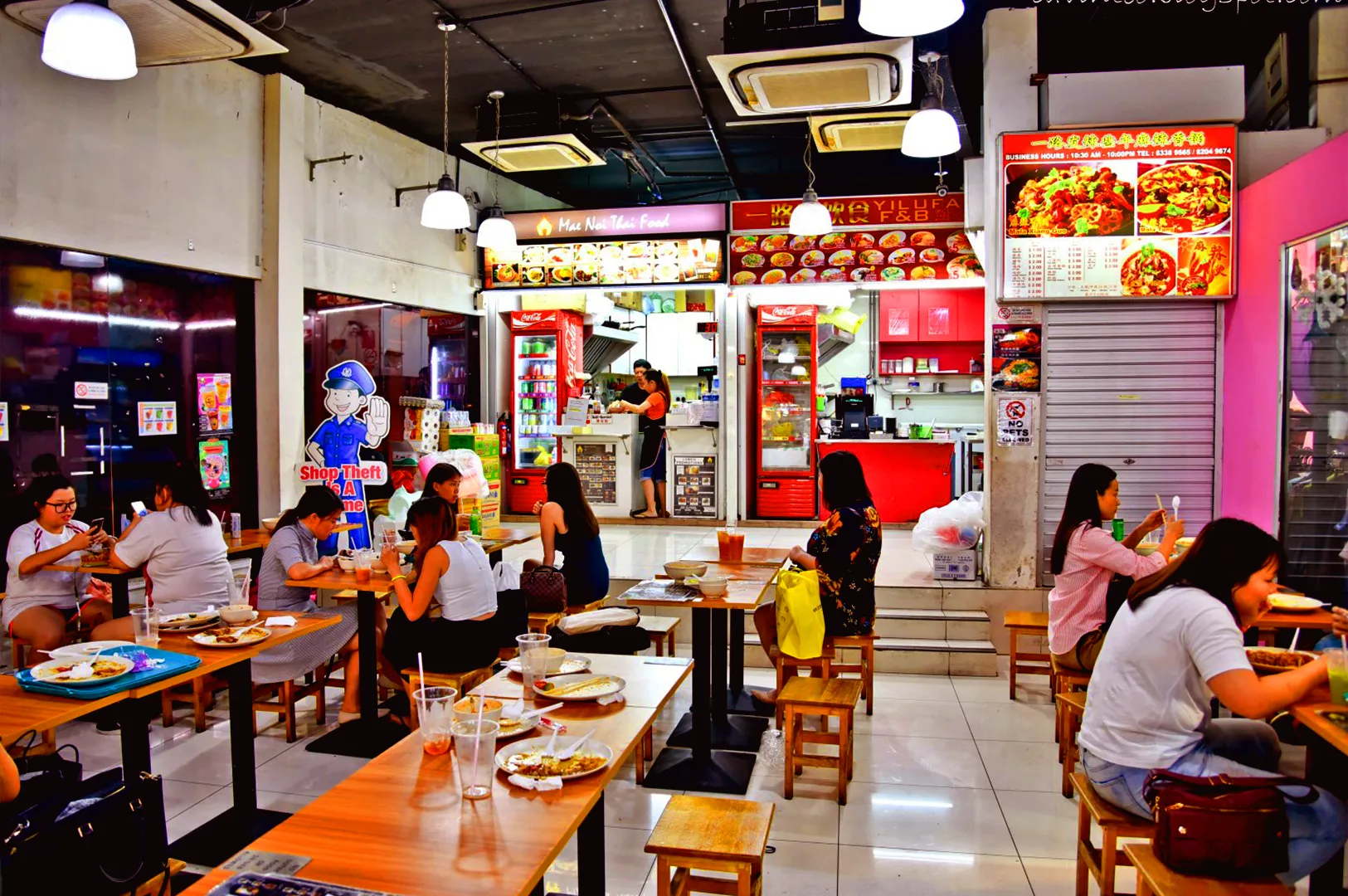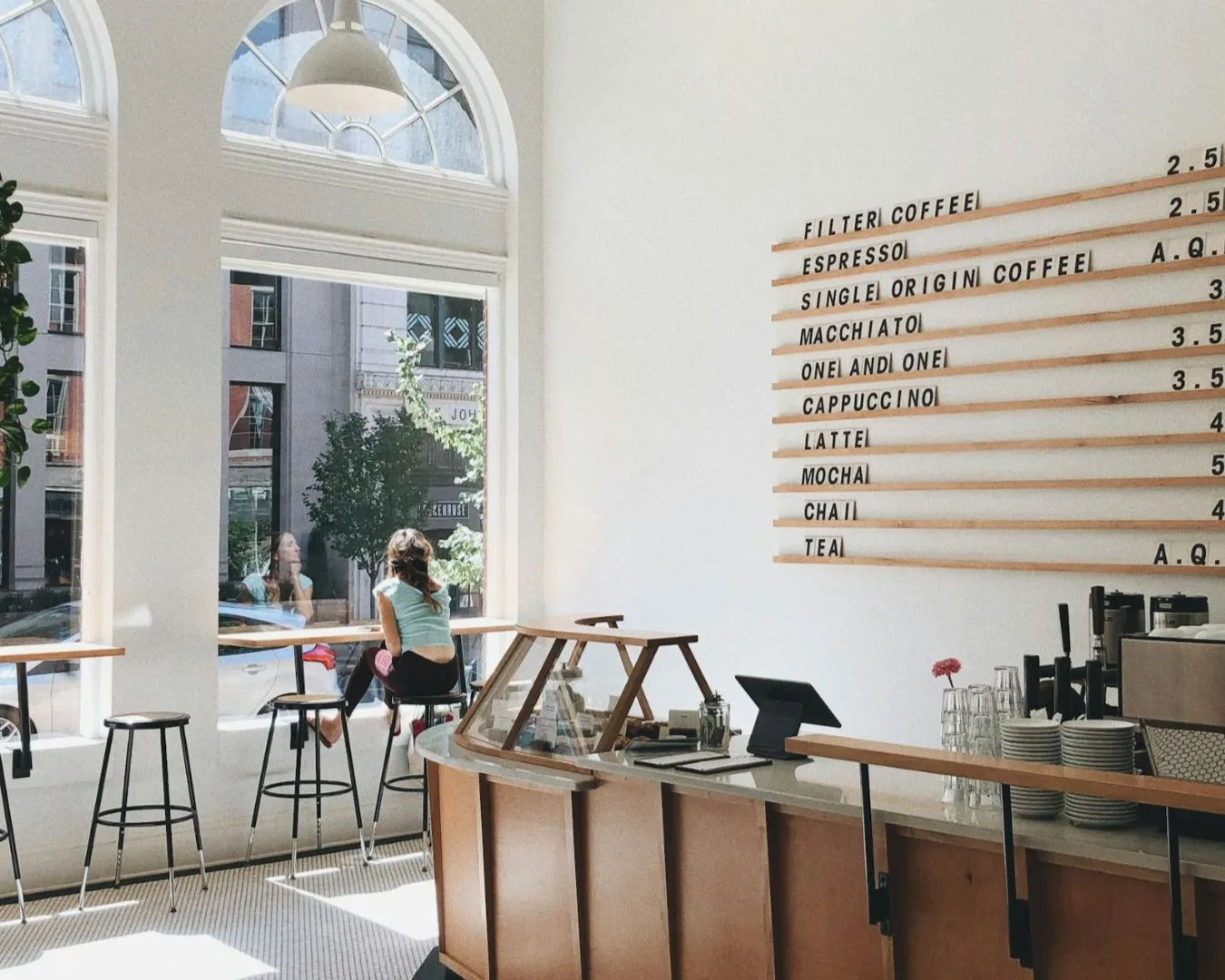
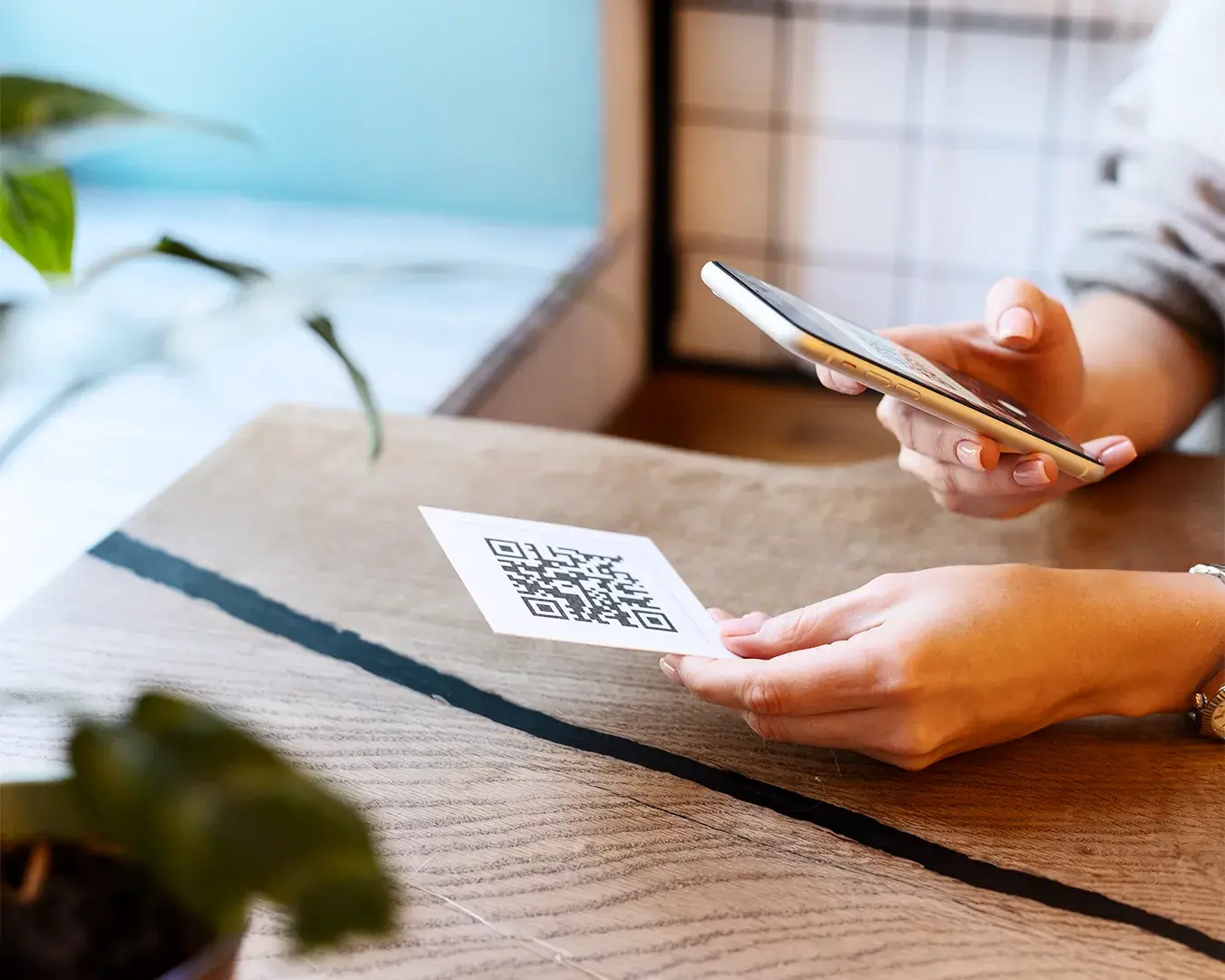
Most restaurant owners assume the printed menu is safer. It isn’t going anywhere, it doesn’t crash, and nobody has ever complained about a laminated page. That assumption is worth challenging, because the real comparison isn’t which menu looks nicer on a table tents display. It’s what happens between a guest sitting down and a guest ordering.
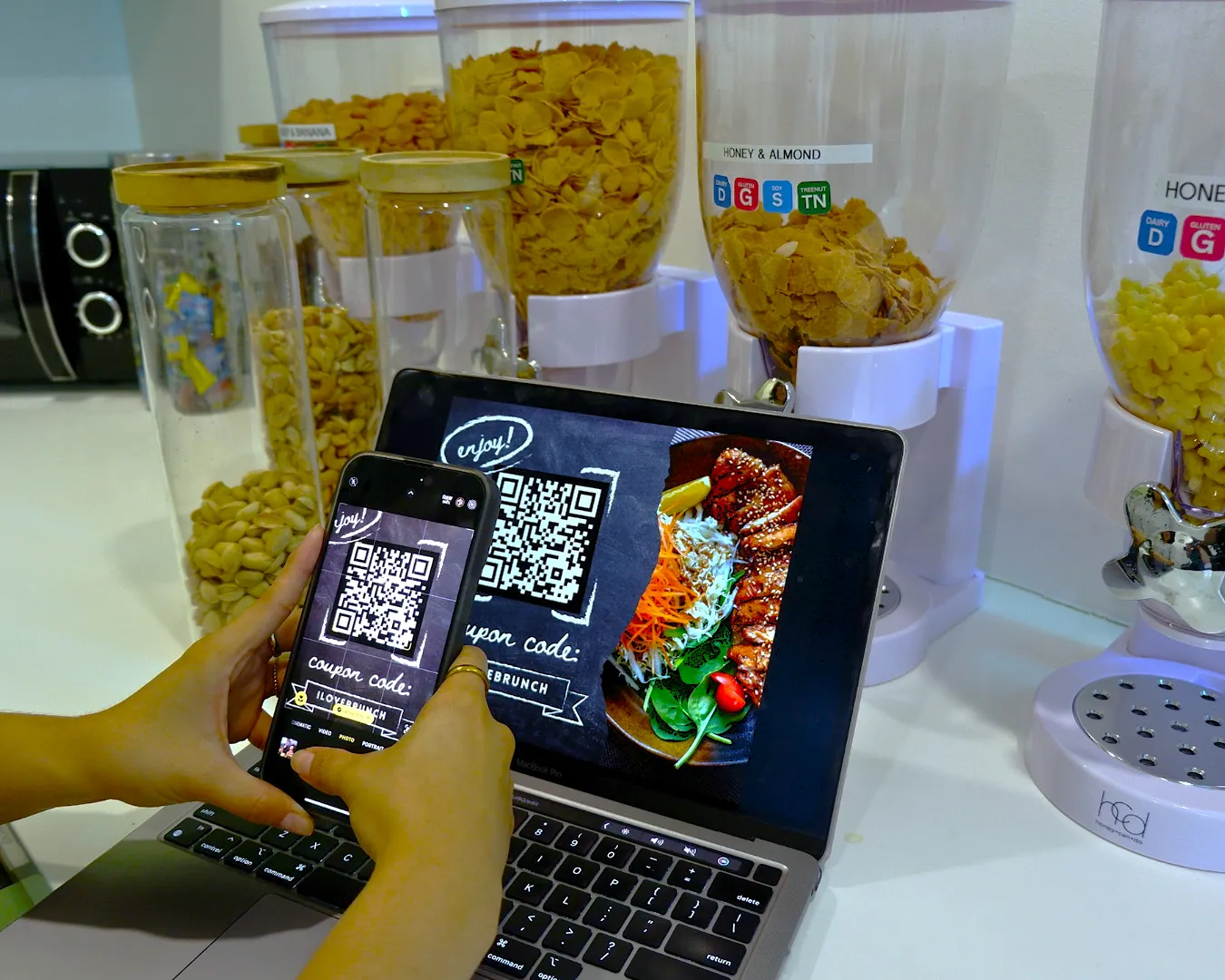
Traditional ordering asks a server to walk over, wait, write, and walk back. QR menus ask a guest to simply scan and order from their own phone, no waiting required. Multiply that gap across forty tables during a Friday rush and you start to see where operational efficiency either gets built or gets lost, and where customer satisfaction quietly rises or falls. It is also where restaurant marketing Singapore owners rely on starts to show its cracks, since a slow table is rarely won back by a good campaign alone.
Why the Ordering Process Matters More Than the Menu Format
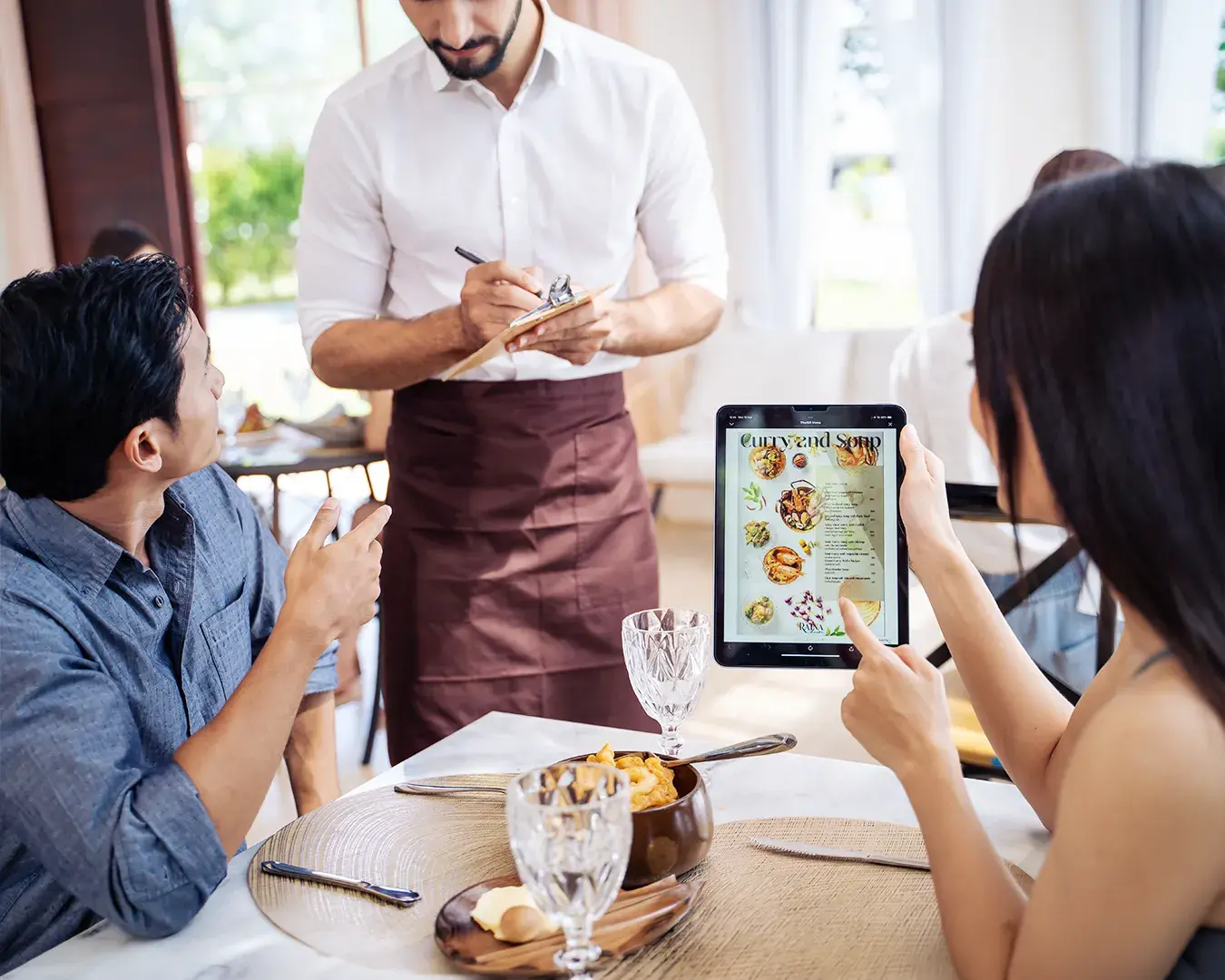
The ordering process is the actual product here, not the format. Printed menus rely on staff availability. If servers are stretched, guests wait longer, table turnover slows, and average order value quietly caps out. A QR code ordering system removes that bottleneck. Guests browse a menu page at their own pace, read detailed descriptions, check dietary preferences, and order the moment they’re ready across multiple devices at the same table.
This isn’t a case against print. Physical menus still suit smaller venues, degustation formats, or brands where the tactile experience is the story. But for busy F&B outlets in Singapore, digital menus tend to close the gap between decision and order faster, especially for tech savvy customers who expect a contactless solution by default.
What QR Code Digital Menus Actually Solve
A few things, mainly.
First, fewer errors. A code menu removes the handwriting-to-kitchen translation step, so what the guest selects is what the kitchen display system receives. Simple scan, correct order, every time.
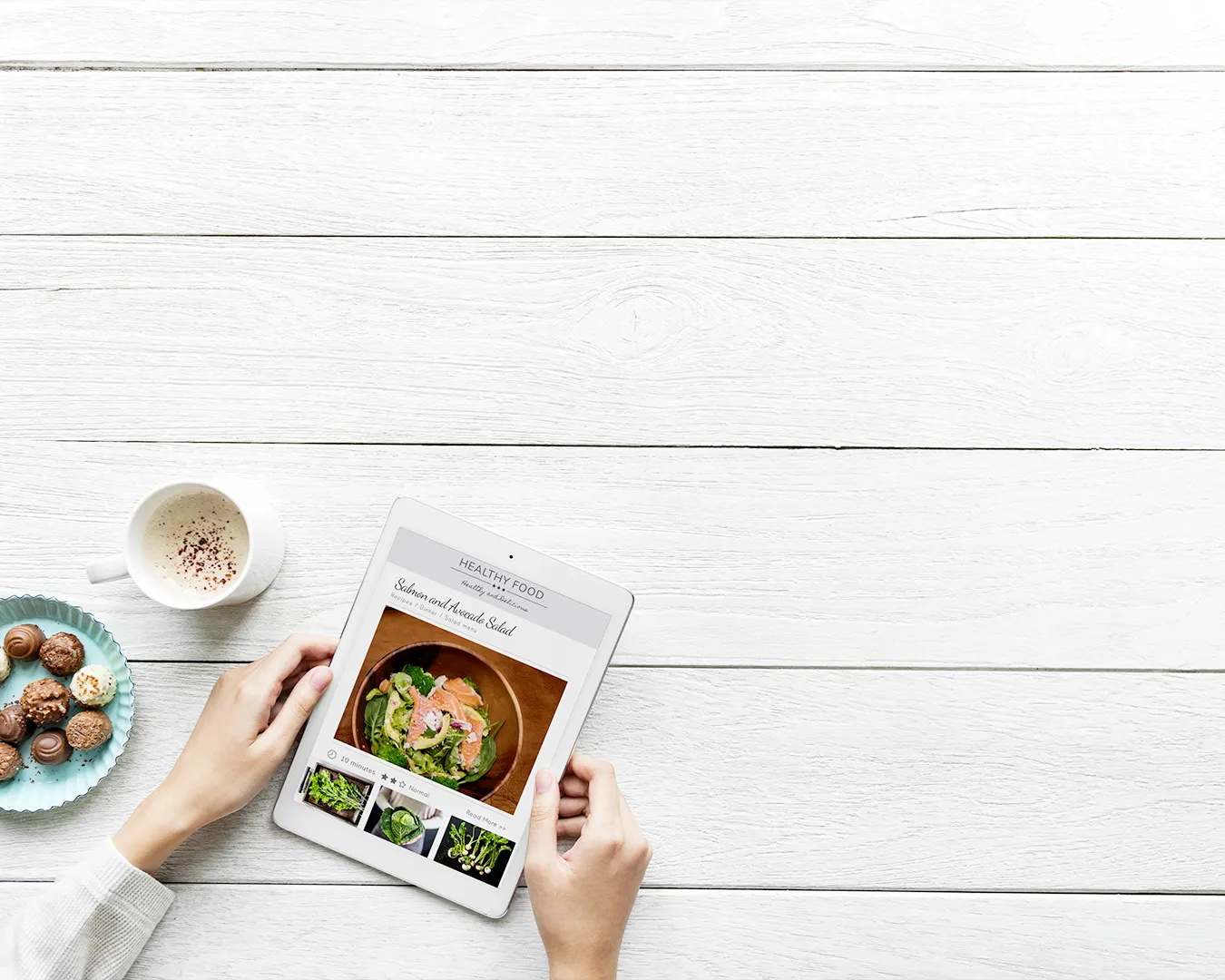
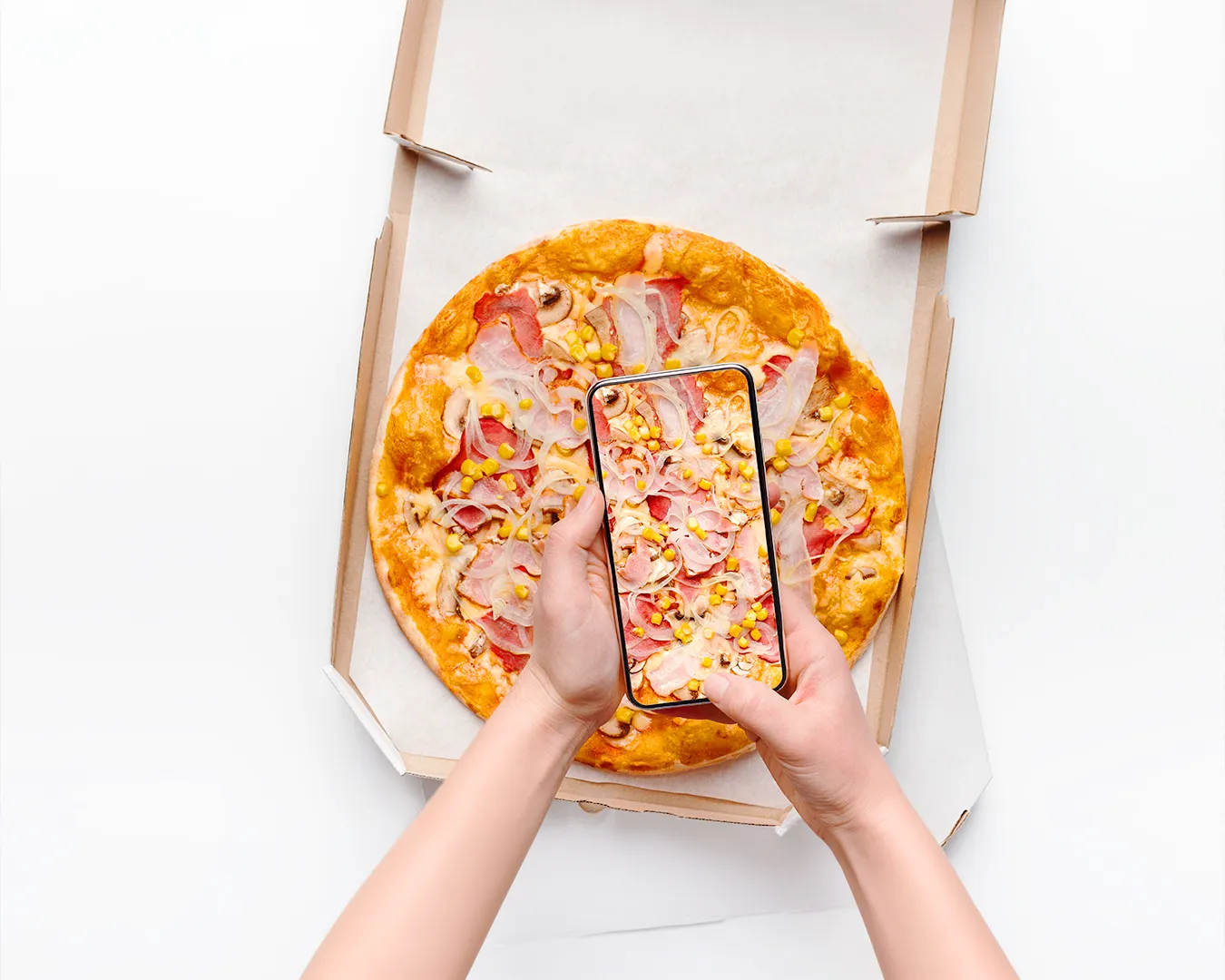
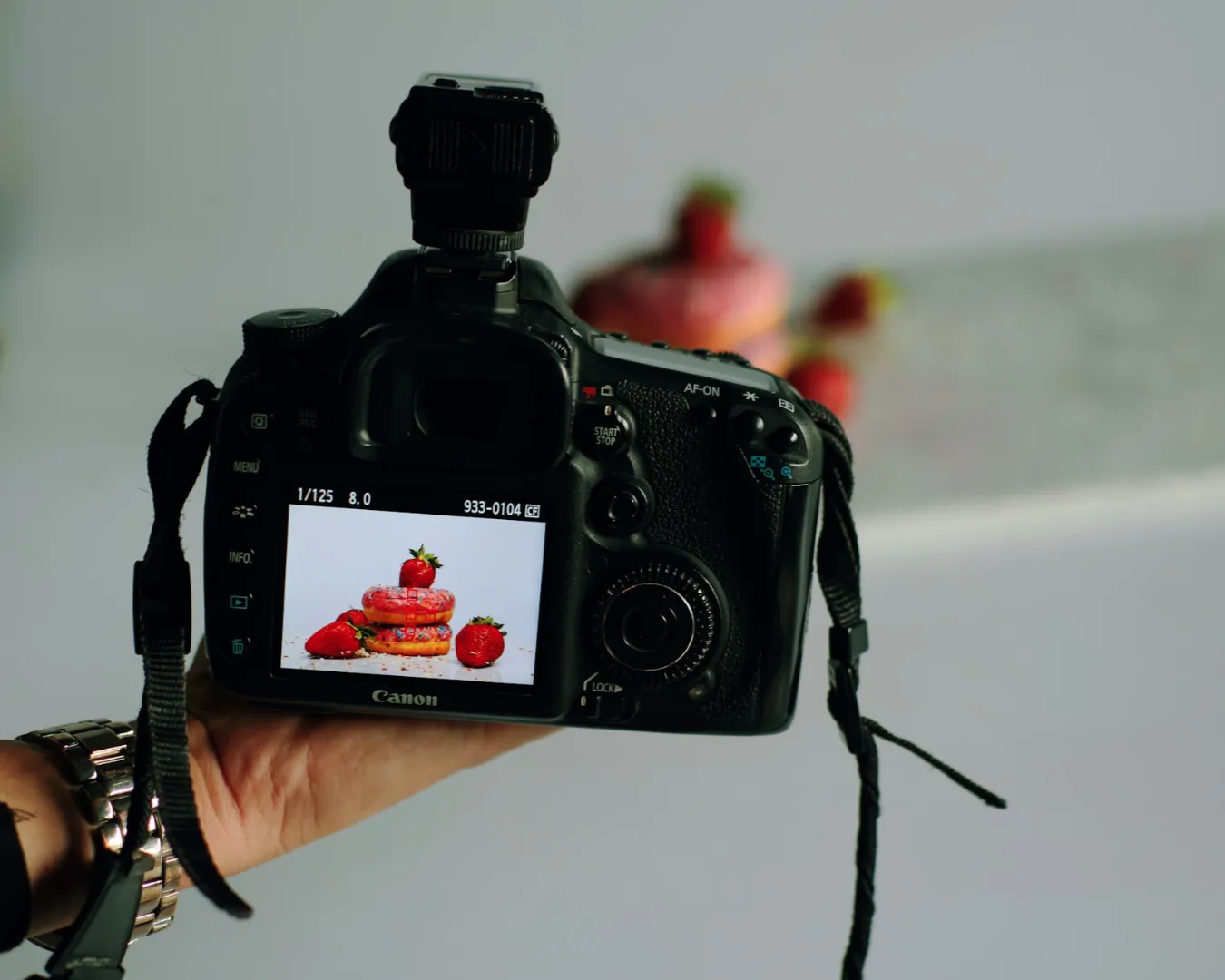
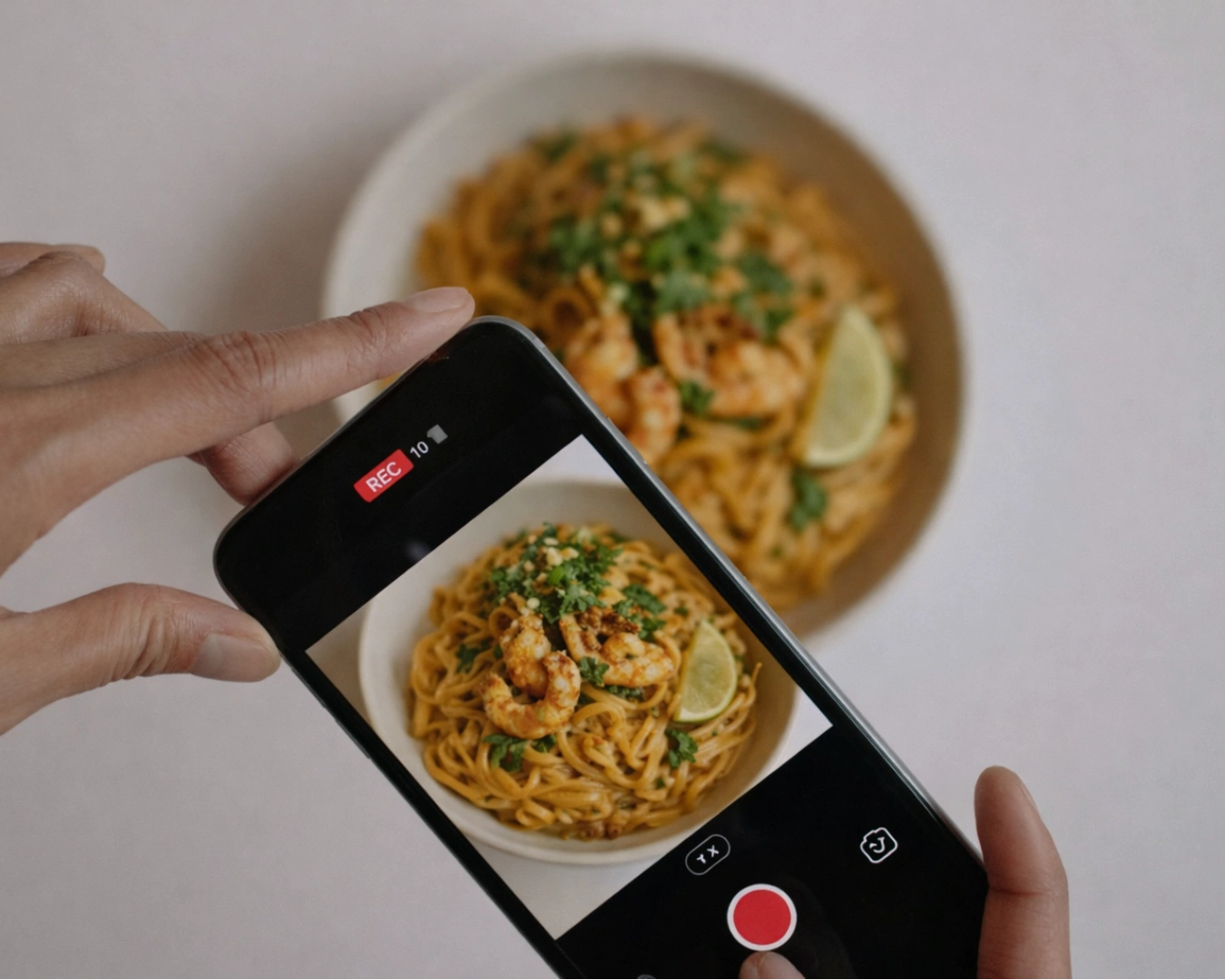
Second, presentation. High quality food photography does work a text only menus format never can. Detailed food photos next to seasonal specials or a seasonal menu tend to lift satisfied diners’ perception of value before the first dish even arrives. High quality photos are, frankly, doing half the selling.
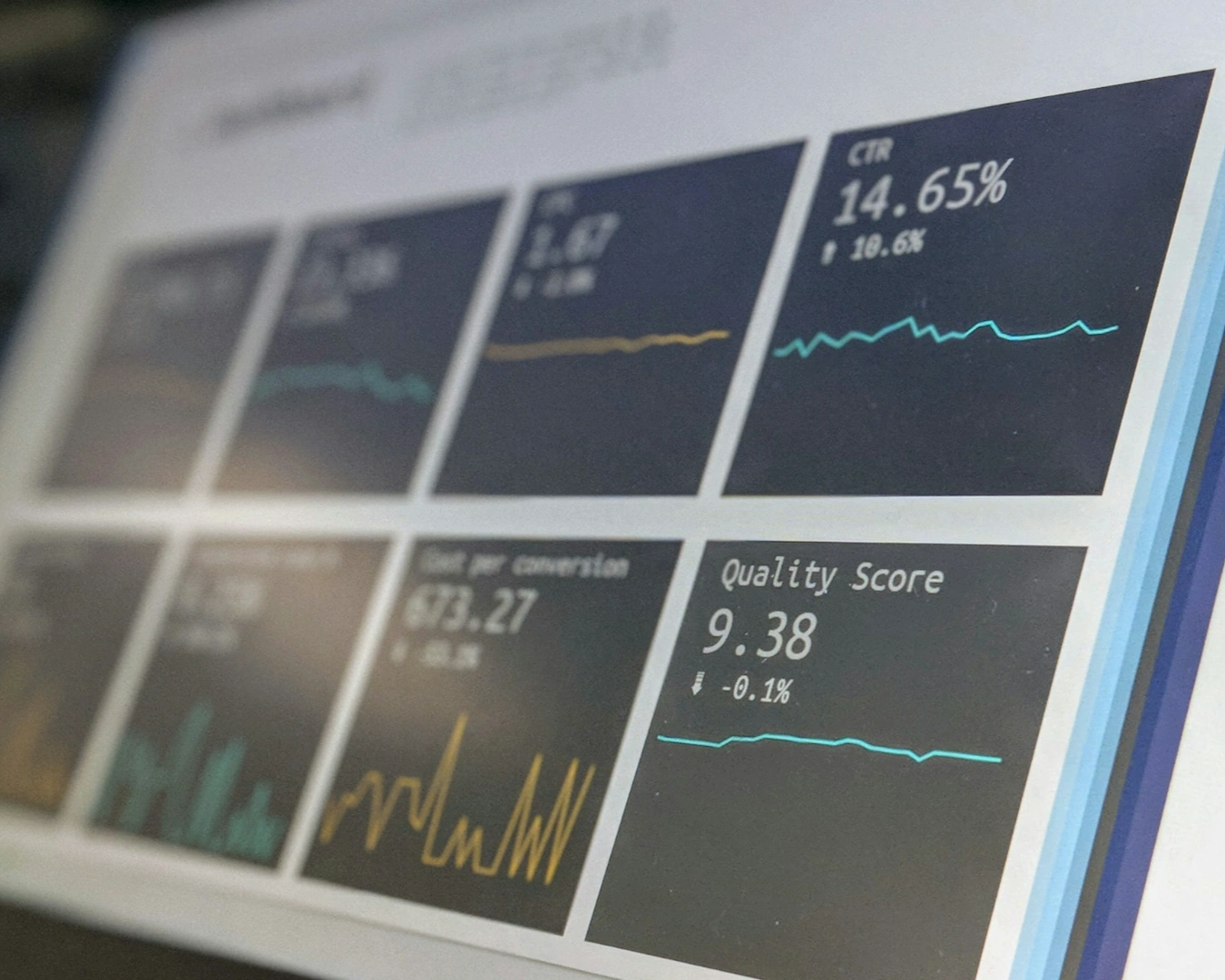
Third, customer data. Every scan is a signal. Over time, this can inform loyalty programs, sharpen customer preferences, and support smarter promotions, something printed menus simply cannot offer.
Fourth, integration. A solid digital platform connects to your POS system directly, so POS integration, payment integration, and even Apple Pay or Google Pay sit inside one seamless integration instead of three disconnected steps.
Rolling Out an Online Menu Without the Headache
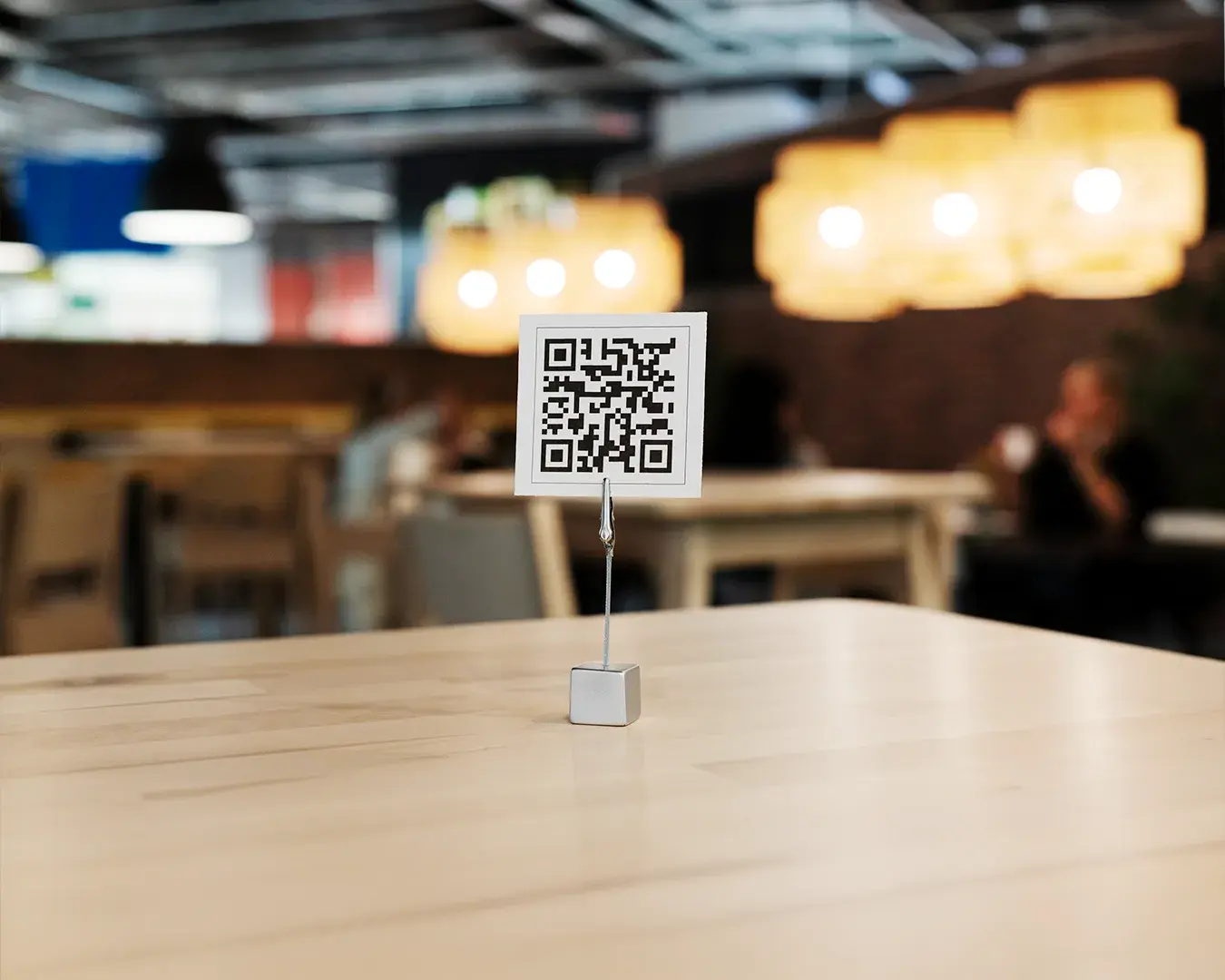
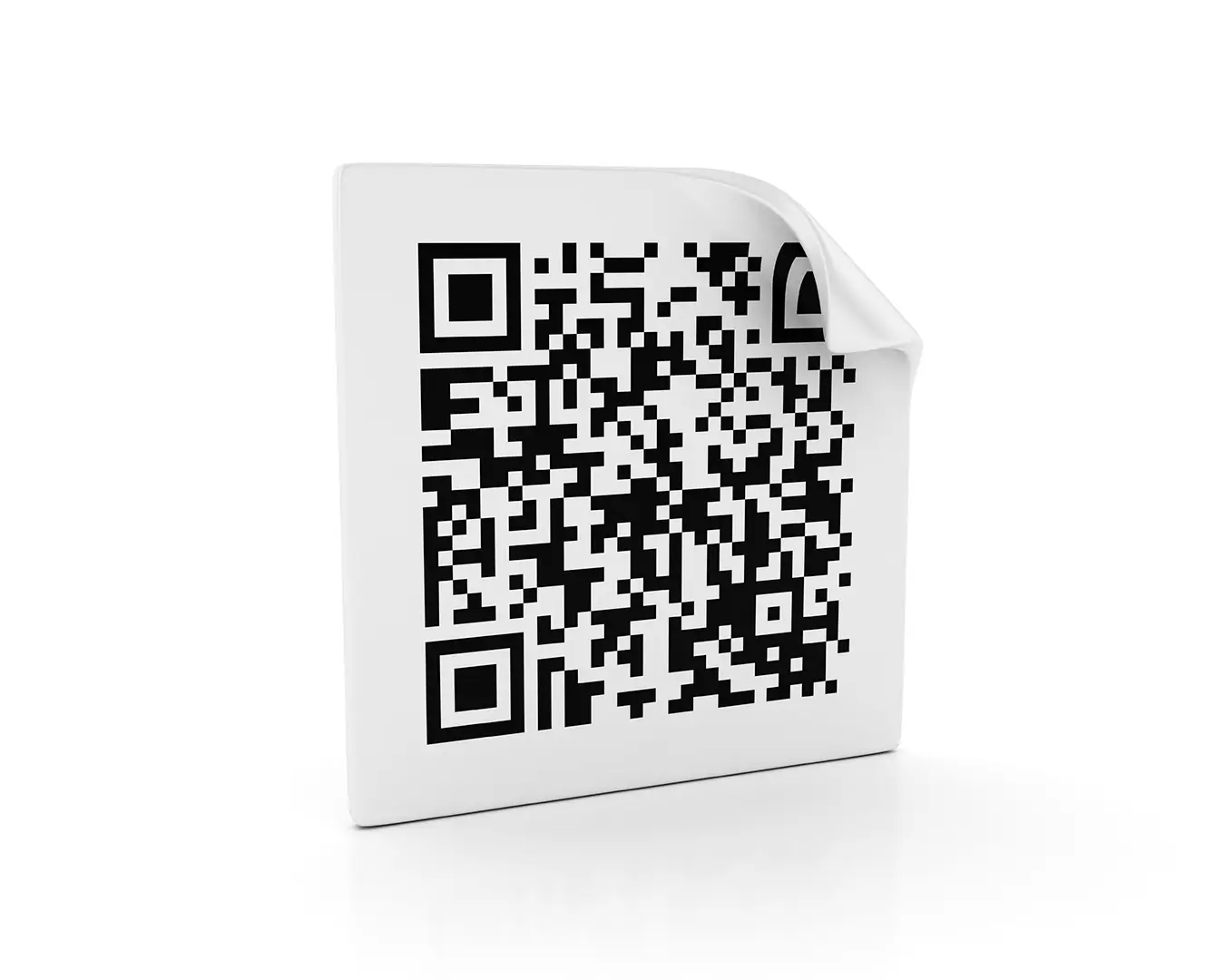
Adding QR codes to existing tables is the easy part. Print QR codes, place them, done. The harder part is choosing a mobile optimized digital menu that actually reflects your brand, not a generic template.
Some digital solutions offer a free plan to start, which is reasonable for testing an online ordering flow before committing further. Look for advanced features like multi language support if you serve a mixed local and tourist crowd, and the ability to customize orders (add-ons, spice levels, portion sizes) without confusing the kitchen. Not every provider offers all the benefits at once, so it’s worth comparing before signing anything long-term.
The Cost Breakdown Owners Actually Care About
Here’s the honest version. Reprinting traditional paper menus every time a dish or price changes adds up quietly over a year. Implementing QR code ordering has an upfront setup, but the ongoing cost is lower, and the operational efficiency gained (shorter ordering process, fewer service errors, better table turns) tends to offset it within a few months for most mid-sized outlets, often translating into more sales rather than just savings.
One caution: some venues adopted QR ordering purely as a temporary safety measure a few years back, then dropped it once that need passed. That’s a missed opportunity. Treated properly, it’s not a stopgap, it’s a better dining experience built on genuinely useful technology, and a stable internet connection is the only real precondition.
A Reassuring Thought on Operational Efficiency

Neither approach is universally correct. Some concepts are built for the ritual of a server handing over a physical menu. Others are built for speed, volume, and self-service. The right answer depends on your format, your guests, and how much friction currently sits in your ordering process.
What matters is choosing deliberately, not by default.
At Atelier Creations, we work with F&B owners across Singapore who are weighing exactly this decision. If you’d like a second opinion, we’re happy to sit down and do a quiet review of your current ordering flow together, no obligation, just a clear look at where the friction actually is.