It’s 11pm. The last table just left. You’re standing at the counter, watching your traditional POS terminal grind through an end-of-day report that takes twelve minutes to generate. Your manager is on the phone asking why the second outlet’s numbers haven’t synced. This is the moment most owners actually start comparing cloud POS vs traditional POS, not during a sales pitch, but during a slow, frustrating close.
That moment is worth paying attention to. The decision isn’t really about POS technology for its own sake. It’s about how much of your evening, your business operations, and even your digital marketing for restaurants efforts you get back.
Cloud POS Systems vs Traditional POS: What Changed
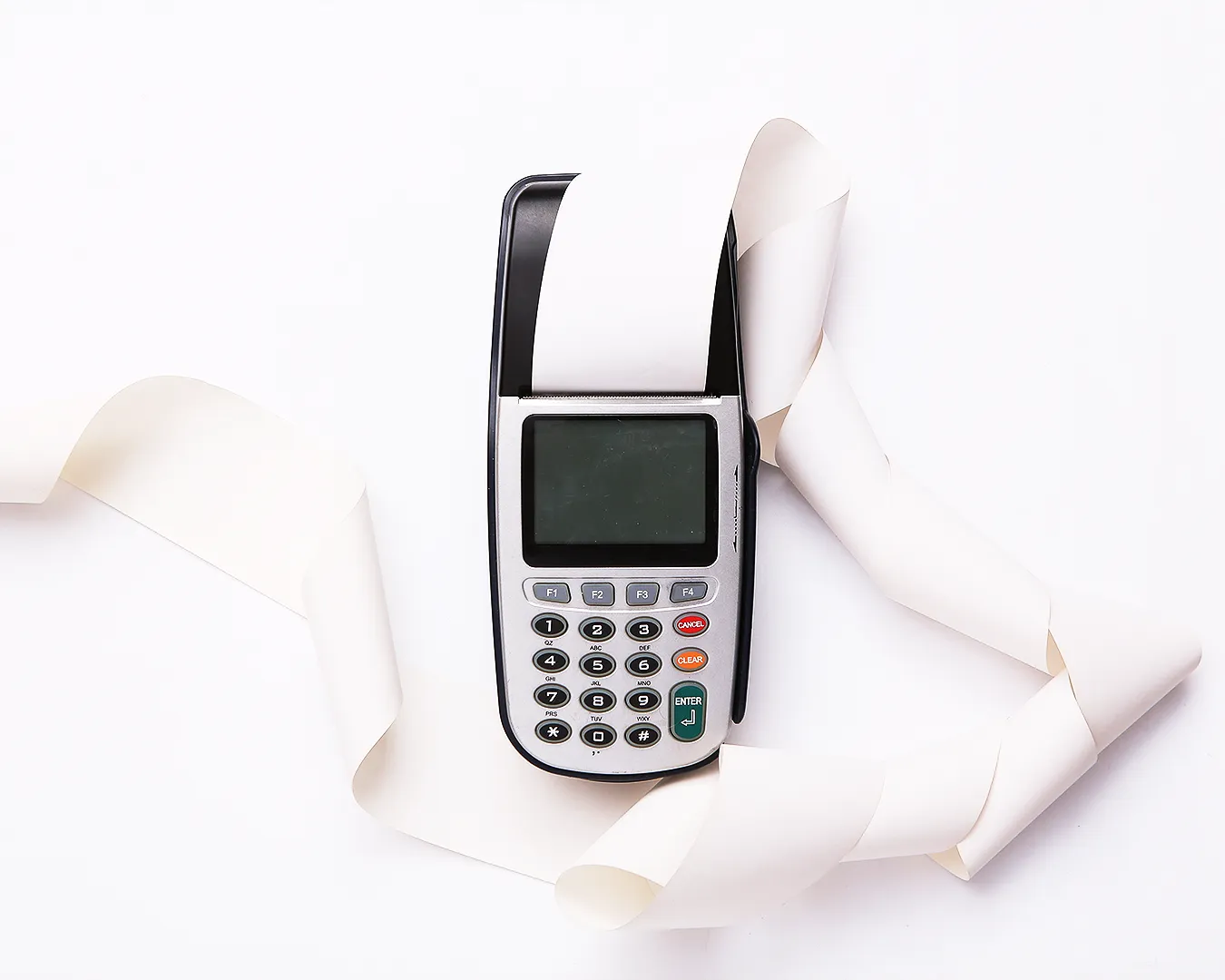
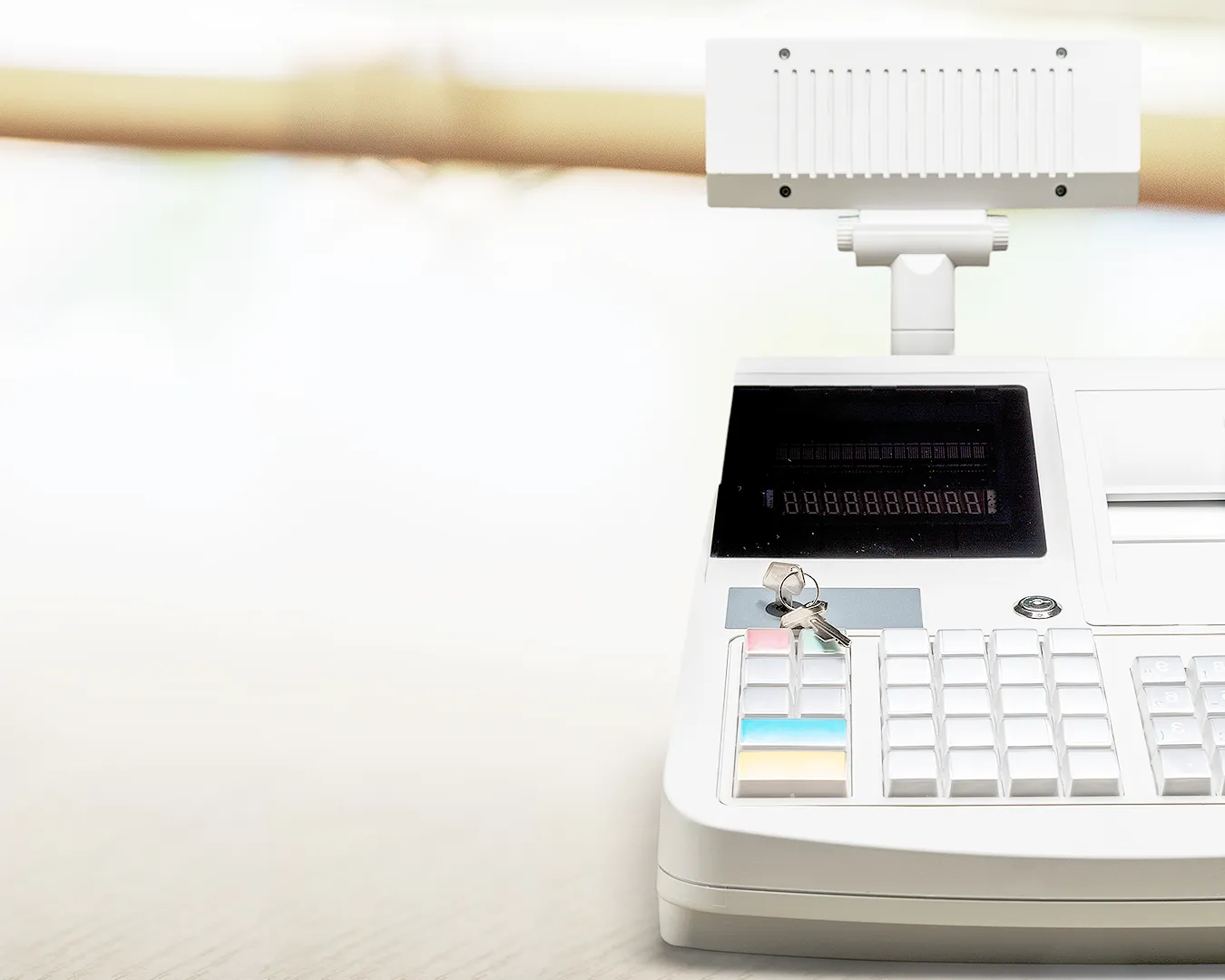
Traditional POS systems, sometimes called legacy POS, store everything on a physical machine sitting in your outlet. Every sale, every inventory update, every staff login lives on that box. Local hardware and physical hardware installations meant every new location required its own setup from scratch, wiring, and a technician on-site. It worked, until the box failed, and then your entire operation stalled until someone fixed it.
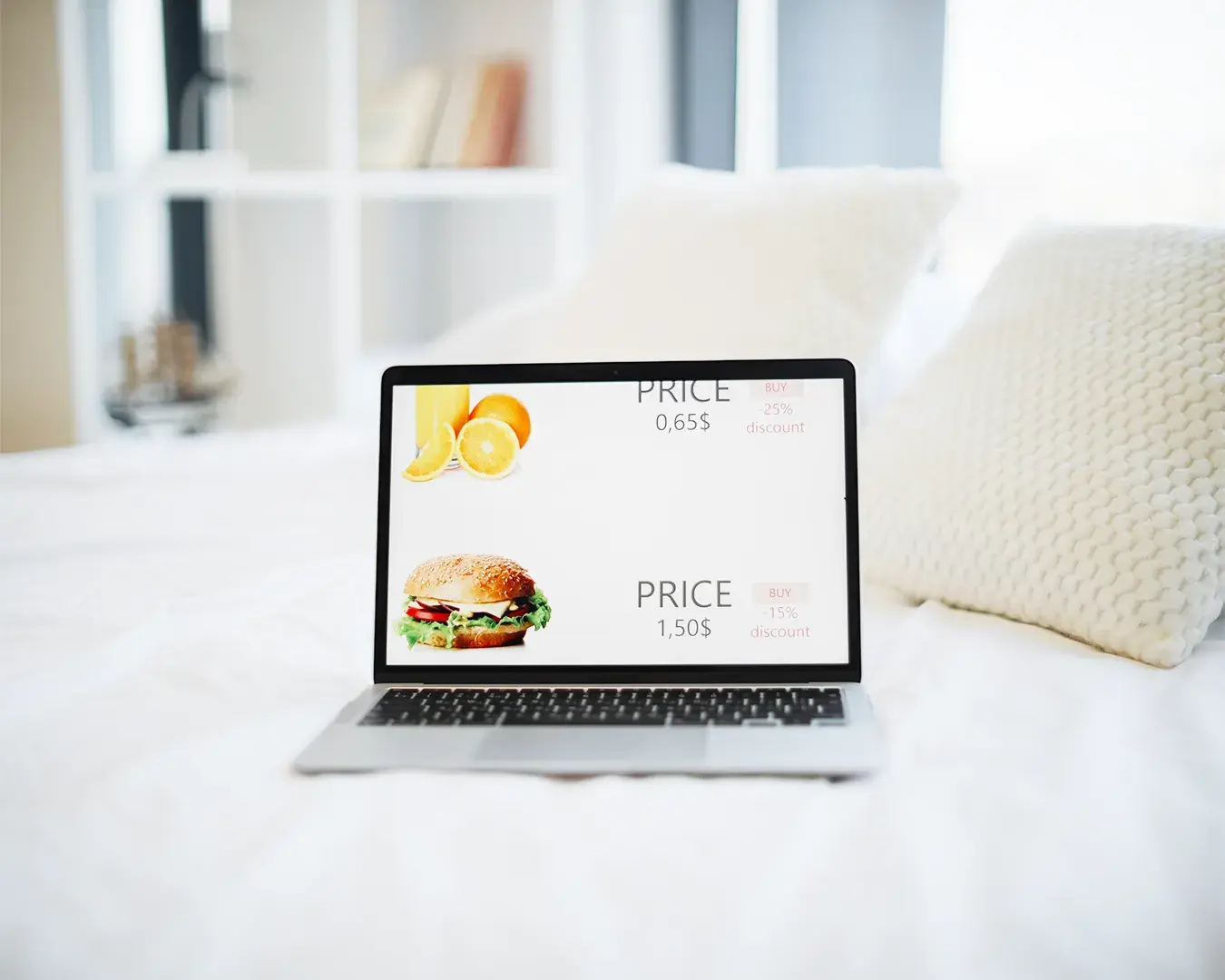
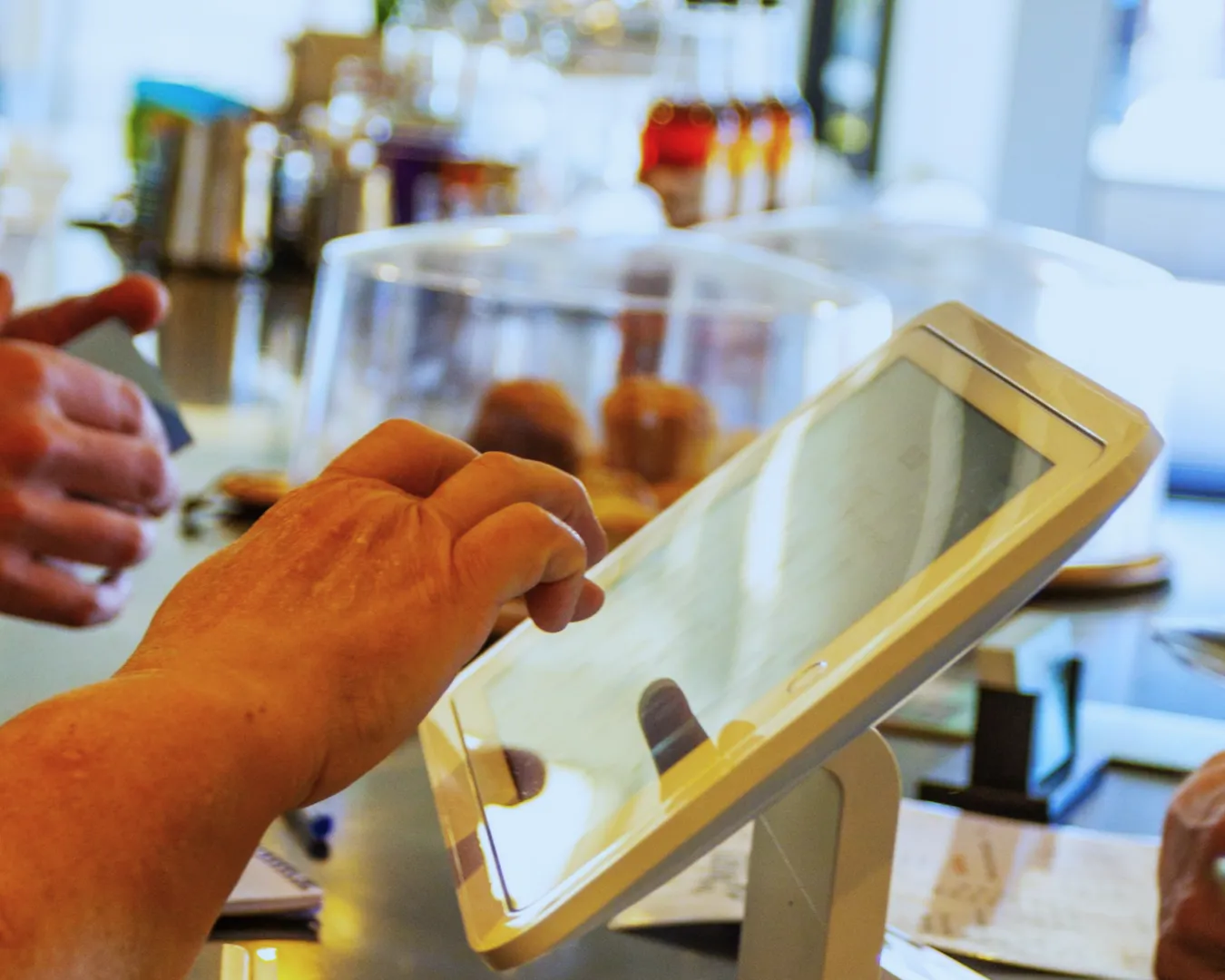
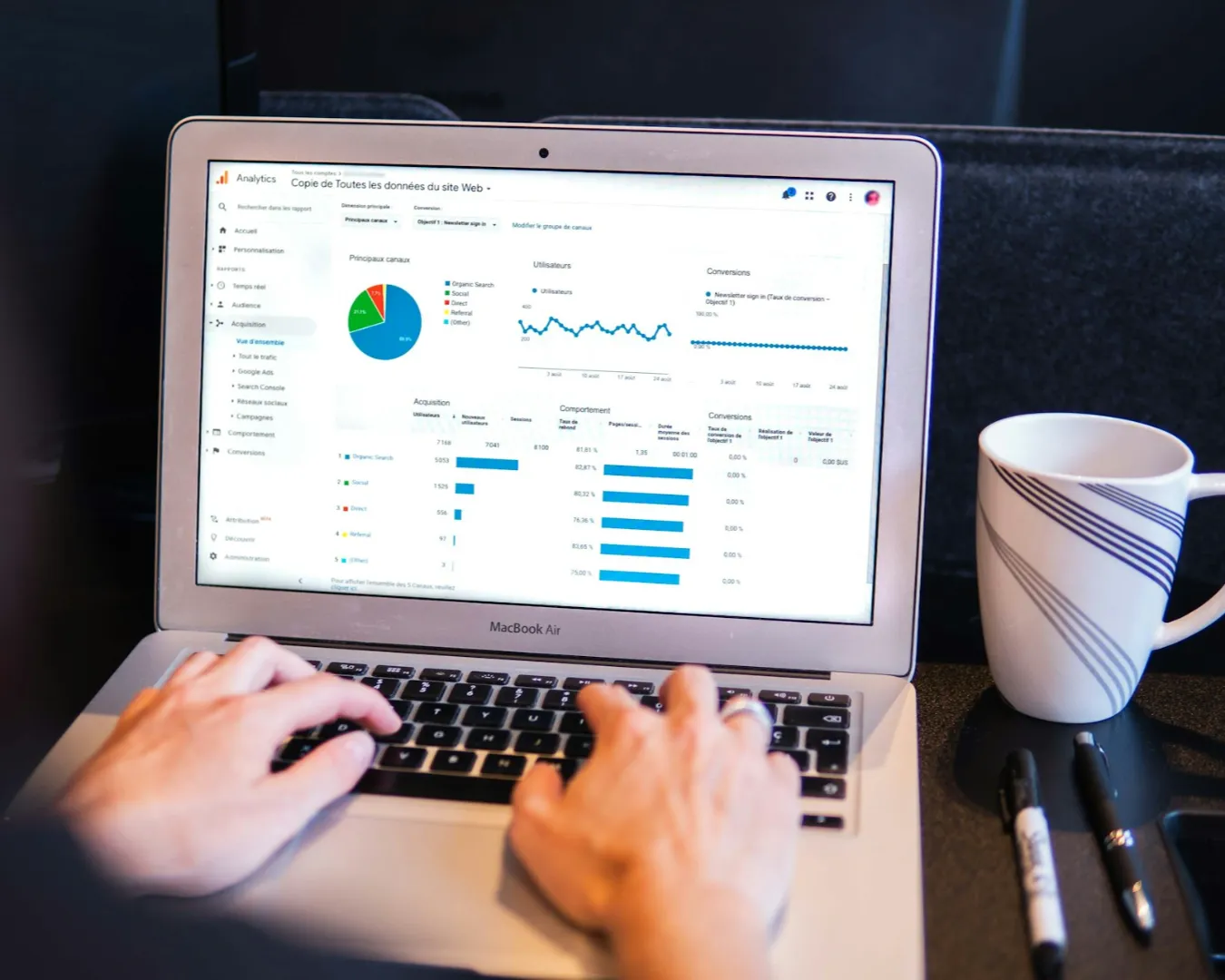
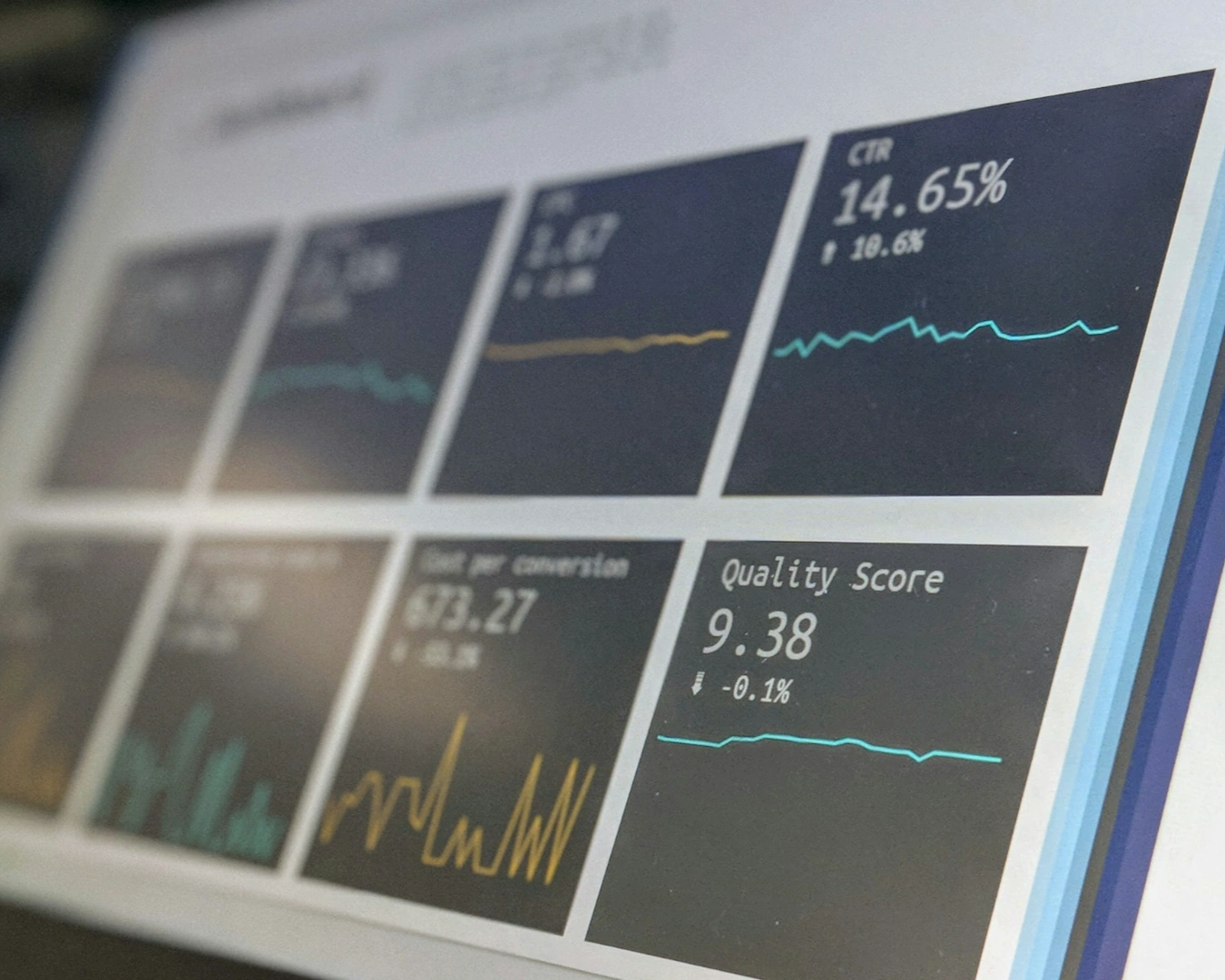
Cloud POS systems flip this. Your point of sale becomes any internet connected device, not a fixed cash register bolted to a counter. The POS software updates itself overnight through automatic updates. You can pull sales figures from your phone while you’re at the wet market, checking business data in real time. For an owner running a single location, this is convenient. For an owner running multiple store locations, it’s the difference between managing a business and babysitting hardware.
Cloud Based POS Systems and the Internet Connection Question
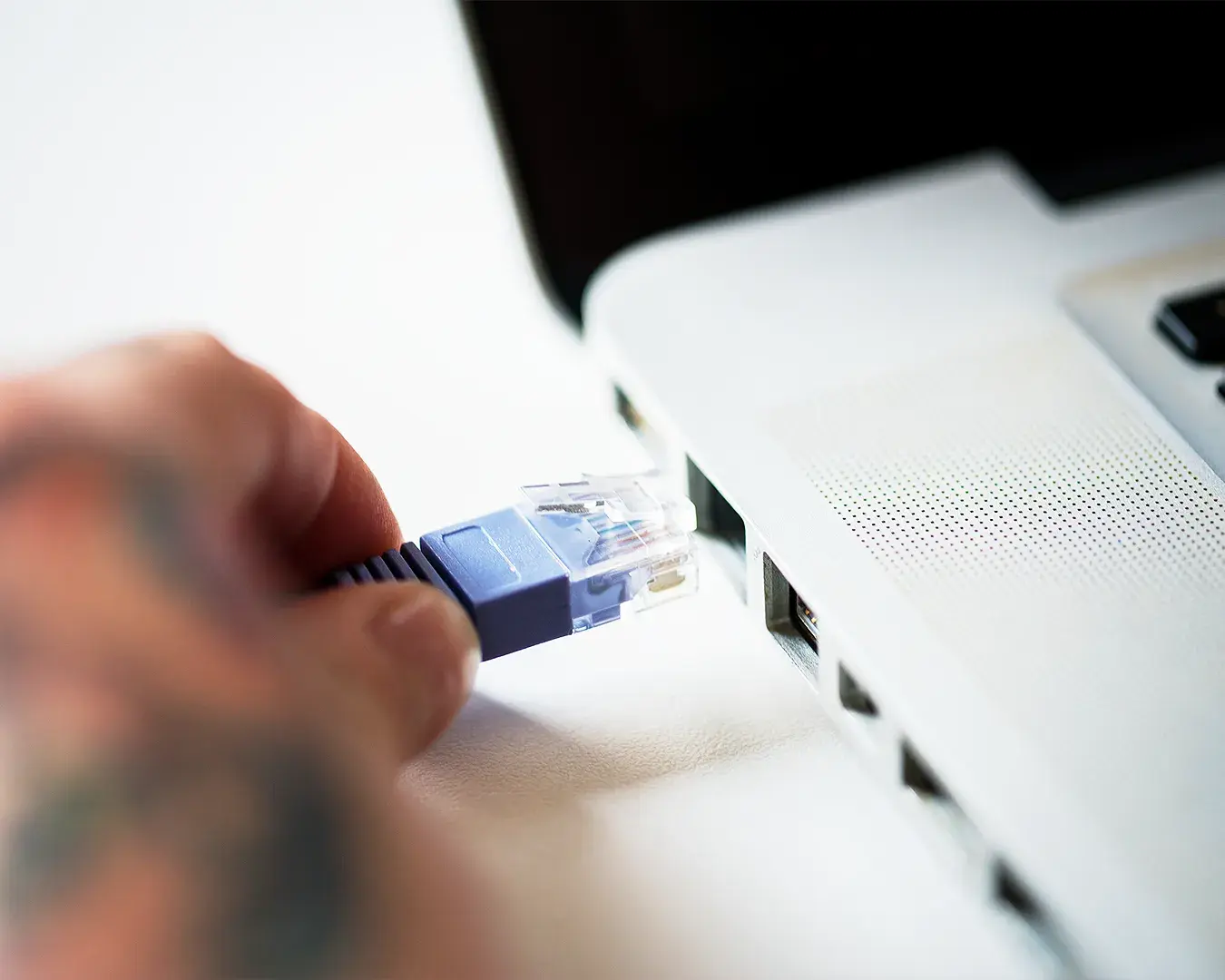
The honest caveat: cloud based systems need stable internet connectivity to function at full capacity. Singapore’s connectivity is reliable, but not flawless.
A router hiccup during dinner service is a real risk, which is why most modern cloud POS systems now include an offline mode that queues transactions and syncs once the connection returns. Ask any of the cloud POS providers you’re evaluating how their offline mode actually behaves under pressure, not just how it’s described in a brochure.
Data Security: Local Control vs Remote Access
Here’s where owners get nervous, and reasonably so. Traditional POS solutions rely on local data storage you can physically lock in a room. That feels like control. But local data storage also means you’re responsible for backups, encryption, and what happens if that machine is stolen or damaged.
Cloud POS stores data on remote servers maintained by providers whose entire business depends on data security. Reputable cloud based POS software encrypts customer data in transit and at rest, often to a higher standard than a single outlet’s data storage could manage alone. Remote access isn’t a weakness here. It’s usually the stronger safeguard, and it protects customer satisfaction too, since a data breach damages trust far faster than a slow till.
Sale Systems, Inventory, and Everyday Operational Efficiency
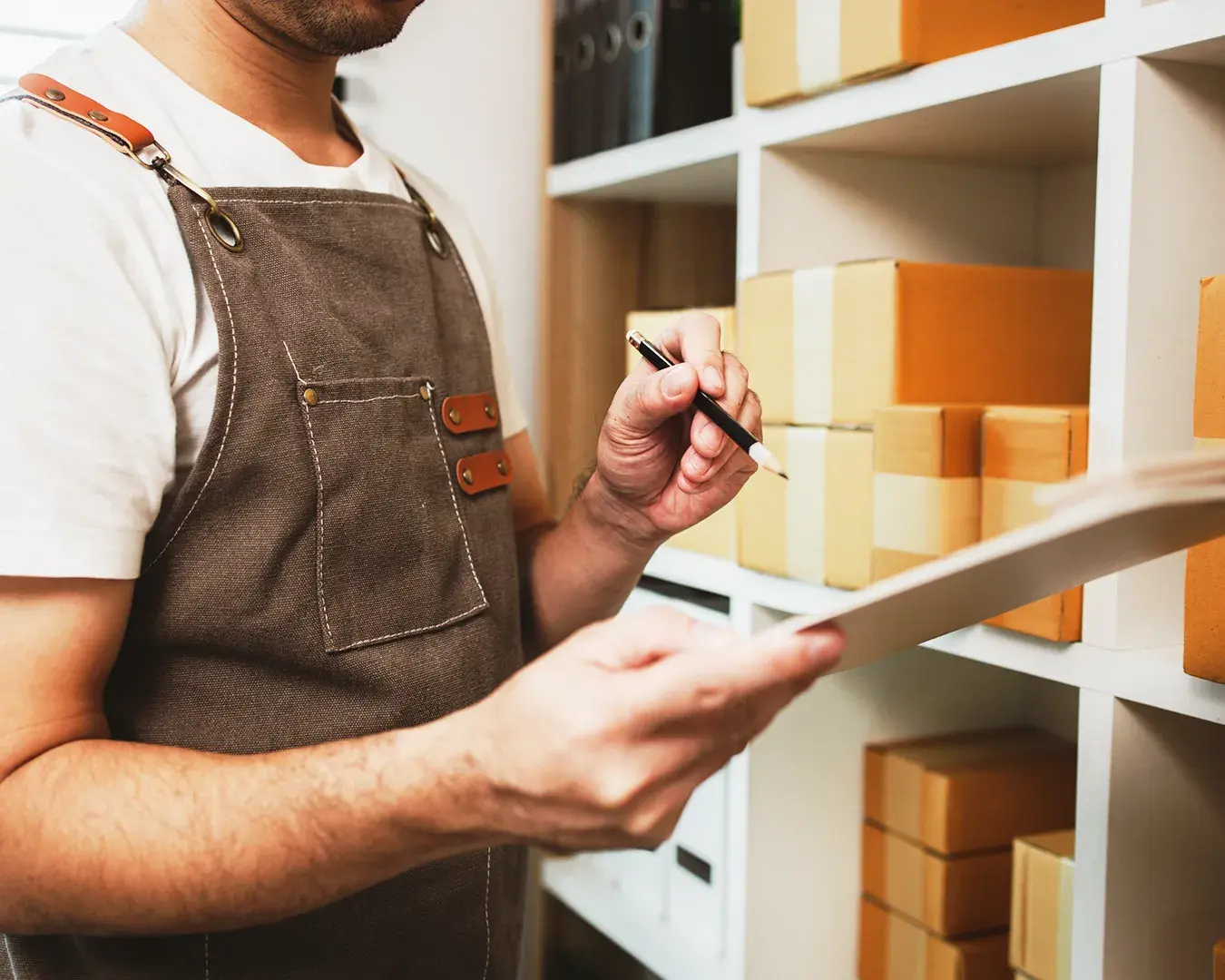
Traditional systems demand significant upfront investment: hardware, software installation, and a technician on standby. Cloud based POS solutions shift this to a subscription model with lower upfront costs, which matters more than most comparisons admit, especially for small and medium retailers eyeing a second or third site.
Beyond cost, there’s operational efficiency to consider. Cloud systems typically offer real time inventory tracking and real time data access, so inventory data across outlets stays current without a manual stocktake. Many also plug directly into accounting software, cutting down the double entry that eats into an evening. For retail businesses and restaurants alike, this kind of streamlined reporting is quietly where the time savings actually come from, not the sale itself.
Read: How Much Should You Invest in a Digital Marketing Budget for Your Restaurant?
Cloud Based POS vs POS vs Traditional: The Real Cost Comparison
Run the numbers over three years, not three months. Traditional POS looks cheaper at first glance because there’s no recurring fee. But factor in manual updates, hardware failures, and the cost of a technician visit every time something breaks, and the gap narrows fast. Cloud POS vs traditional POS, viewed over a real business cycle rather than a single invoice, tends to favour cloud, particularly for anyone with new locations or a business’s growth trajectory already in motion.
Choosing the Right POS System for Your Restaurant

There’s no universal winner. A single hawker stall with no expansion plans may genuinely be fine with a legacy POS system that’s already paid for. A growing F&B business eyeing a second unit needs the flexibility cloud offers, and increasingly, the digital solutions that customer expectations now assume, from tap-to-pay to online ordering integration. Modern retailers are being judged on speed and convenience whether they’ve upgraded or not.
Atelier Creations understands these evolving needs and supports businesses in choosing the right POS system that aligns with their growth and operational goals.
The right POS system is the one that matches where your business is actually headed, not the one with the most features on a spec sheet. If you’re weighing this decision alongside how your brand shows up across your outlets and digital presence, we’re happy to walk through it with you. A quiet, no-pressure review of where your systems and your brand currently stand is often the clearest way to see what needs fixing first.