A seasonal menu refresh is one of the most effective levers an F&B operator has to lower food costs, highlight peak ingredients, and spark marketing buzz. Yet poorly executed updates often alienate your most profitable demographic: your regulars.
When a returning guest sits down expecting their go-to dish only to find it quietly removed, the resulting disappointment damages trust and lowers return frequency. Updating your lineup without disrupting guest loyalty requires a structured approach to menu architecture, guest communication, and kitchen operations. A successful seasonal refresh must feel like an evolution, not a total redesign.
The 80/20 Rule of Menu Continuity
The primary cause of regular customer confusion is over-rotation. Changing too many items at once strips your venue of its core identity and forces returning guests to re-learn your menu from scratch.
A disciplined menu update relies on clear category ratios:
- Protect Your Core 80%: Keep your high-margin “Stars” and signature anchor dishes permanently intact. These items define your concept and bring regulars back week after week.
- Rotate the Outer 20%: Limit seasonal updates to low-volume items, appetizers, daily specials, side dishes, and cocktail programs.
- Swap Rather Than Expand: Never add seasonal items without removing low-performing dishes. Uncontrolled menu expansion inflates prep labor, clutters physical page layouts, and slows kitchen ticket times.
Using Seasonal Variations Instead of Total Removals
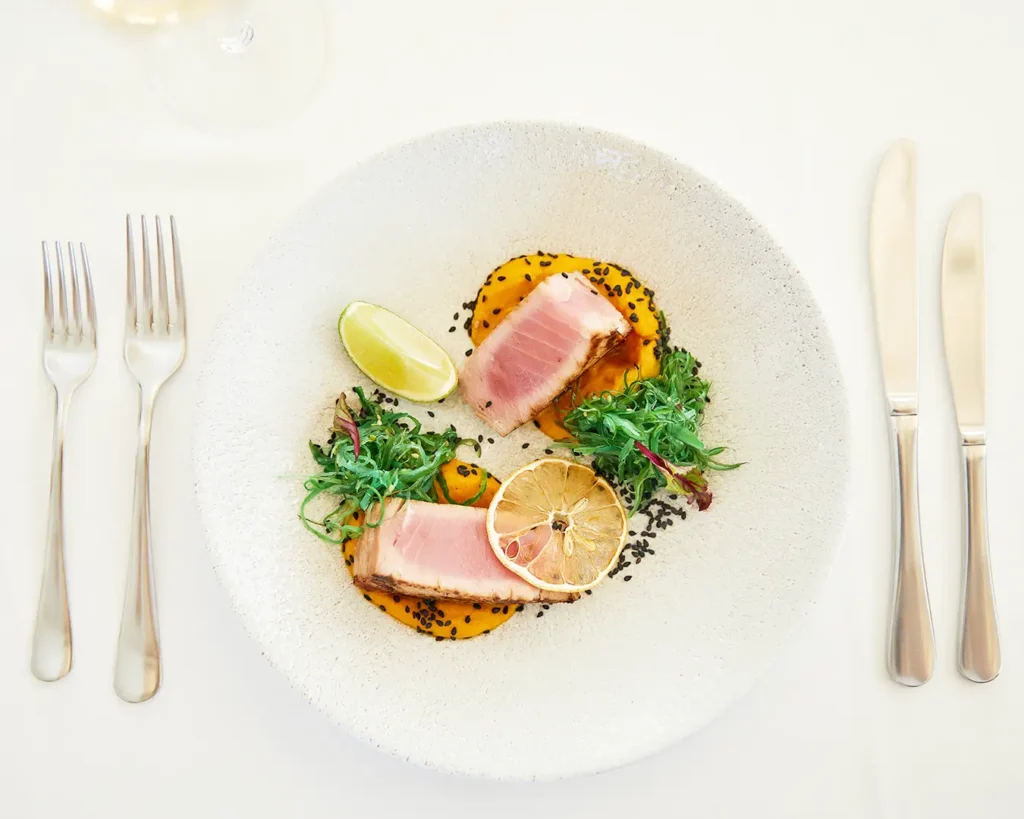
If a signature item relies on seasonal produce, completely deleting it during the off-season creates unnecessary friction. Instead, update the supporting components while preserving the core technique and protein.
| Base Anchor Item | Peak Season Preparation | Off-Season Variant |
|---|---|---|
| Pan-Seared Duck Breast | Summer heirloom peach glaze and charred spring onions | Winter spiced plum reduction and roasted root vegetables |
| House Pasta / Risotto | Spring pea pesto, preserved lemon, and fresh ricotta | Autumn braised wild mushroom ragu and aged parmesan |
| Craft Burrata Starter | Fresh heirloom tomato, basil oil, and aged balsamic | Roasted butternut squash, toasted pepitas, and sage brown butter |
This approach allows you to leverage seasonal ingredient pricing while maintaining familiar dish formats that regulars recognize and enjoy.
Menu Layout and Visual Framing
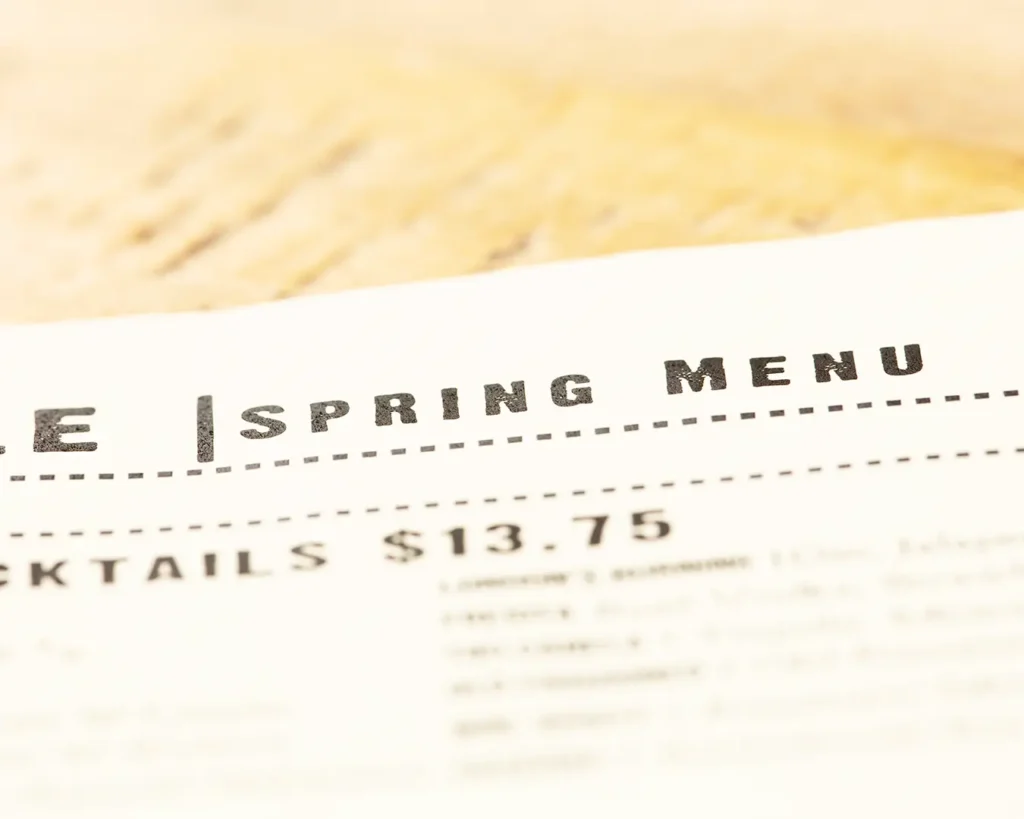
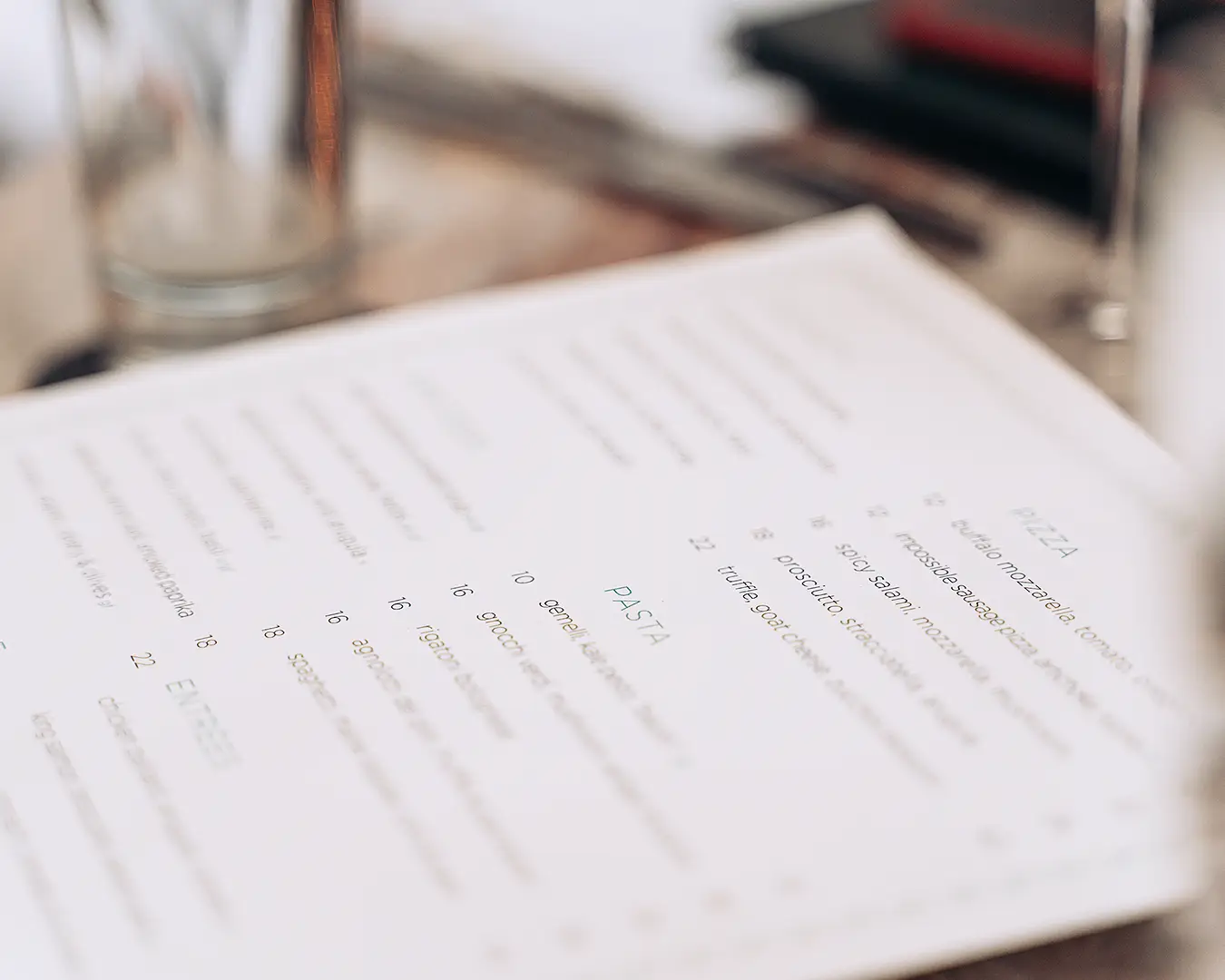
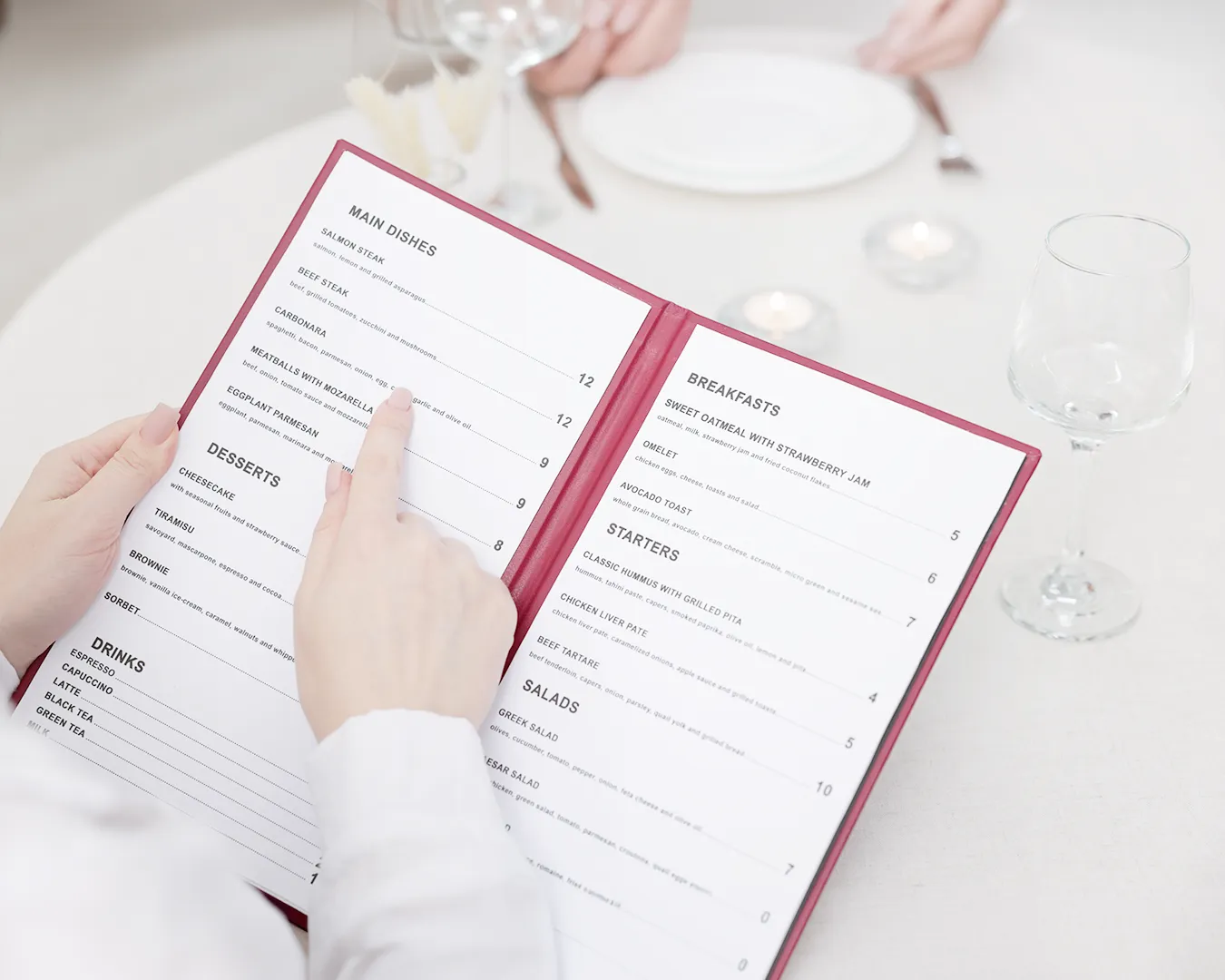
How you present updates on your physical and digital menus dictates how regulars process the changes. Poor visual organization leads to decision fatigue and forces guests to search aimlessly for their usual preferences.
Structure your menu design to guide guest attention naturally:
- Create a Dedicated “Seasonal Features” Section: Isolate new dishes inside a shaded box or separate card rather than scattering them across main categories. This keeps your core menu layout familiar while drawing eyes to limited-time additions.
- Avoid Marker Icon Overload: Labeling dozens of items with seasonal badges creates visual clutter. Use typography and clean spacing to signal updates without overwhelming the layout.
- Preserve Price Nesting: Maintain consistent pricing structures across seasonal swaps so returning guests do not experience sudden ticket shock when trying new items.
Training FOH Staff as Experience Guides
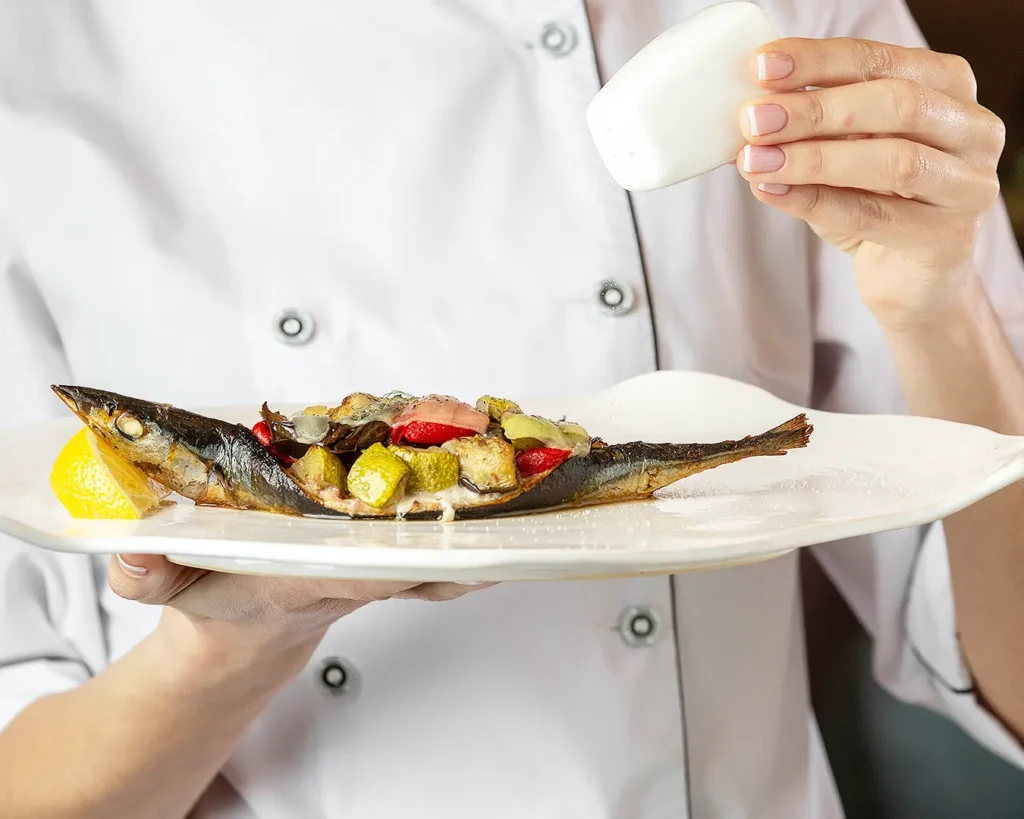
Your front-of-house team is your primary defense against guest disappointment on the floor. If a server casually mentions that a regular’s favorite dish was cut without offering an alternative, the interaction feels dismissive.
Train your service team using a proactive communication framework during pre-shift briefings:
- The “If You Liked X, Try Y” Script: Arm servers with direct recommendations. If a guest asks for a retired off-season starter, the server should respond: “The kitchen rotated that for the fall harvest, but if you love those flavor profiles, our new braised pork belly uses the exact same glaze.”
- Tasting Knowledge: Let servers sample seasonal additions during line checks so they can describe textures, flavor profiles, and beverage pairings with real authority.
- Floor Feedback Loops: Train floor managers to track guest reactions to new releases during table visits, allowing you to catch execution issues before they impact retention.
Protecting Guest Loyalty Through Strategic Updates
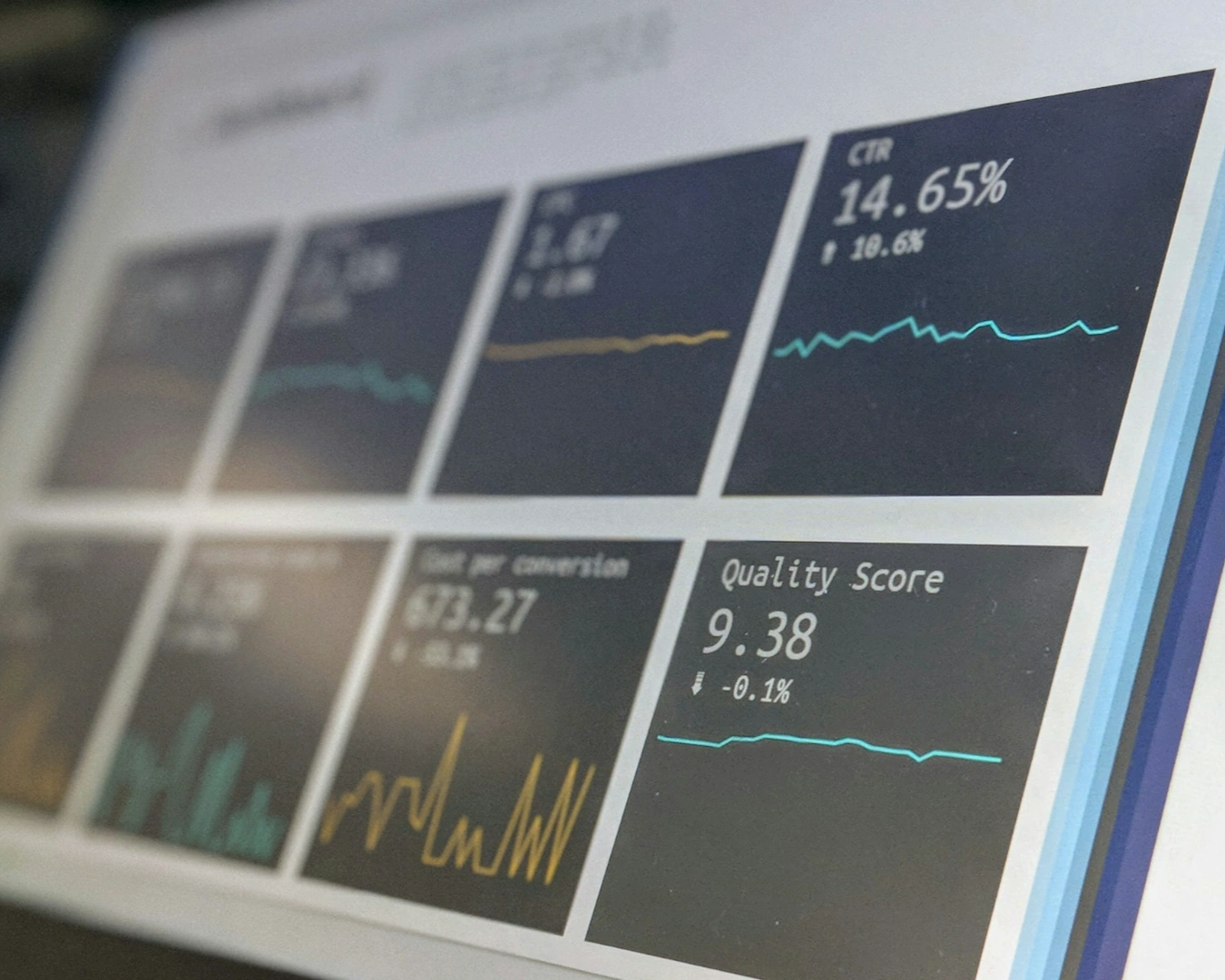
Executing a successful seasonal refresh relies on balancing back-of-house financial controls with front-of-house guest psychology. When you audit POS sales velocity and contribution margins before making menu changes, you can surgically identify which dishes to evolve without disrupting your revenue drivers.
At Atelier Creations, we protect our anchor signatures while introducing thoughtful, limited-time culinary accents so the dining experience stays dynamic—exciting first-time visitors and honoring returning regulars. By aligning menu engineering principles, strategic visual layouts, and proactive floor communication, we can maintain peak ingredient margins and support long-term customer retention shift after shift.