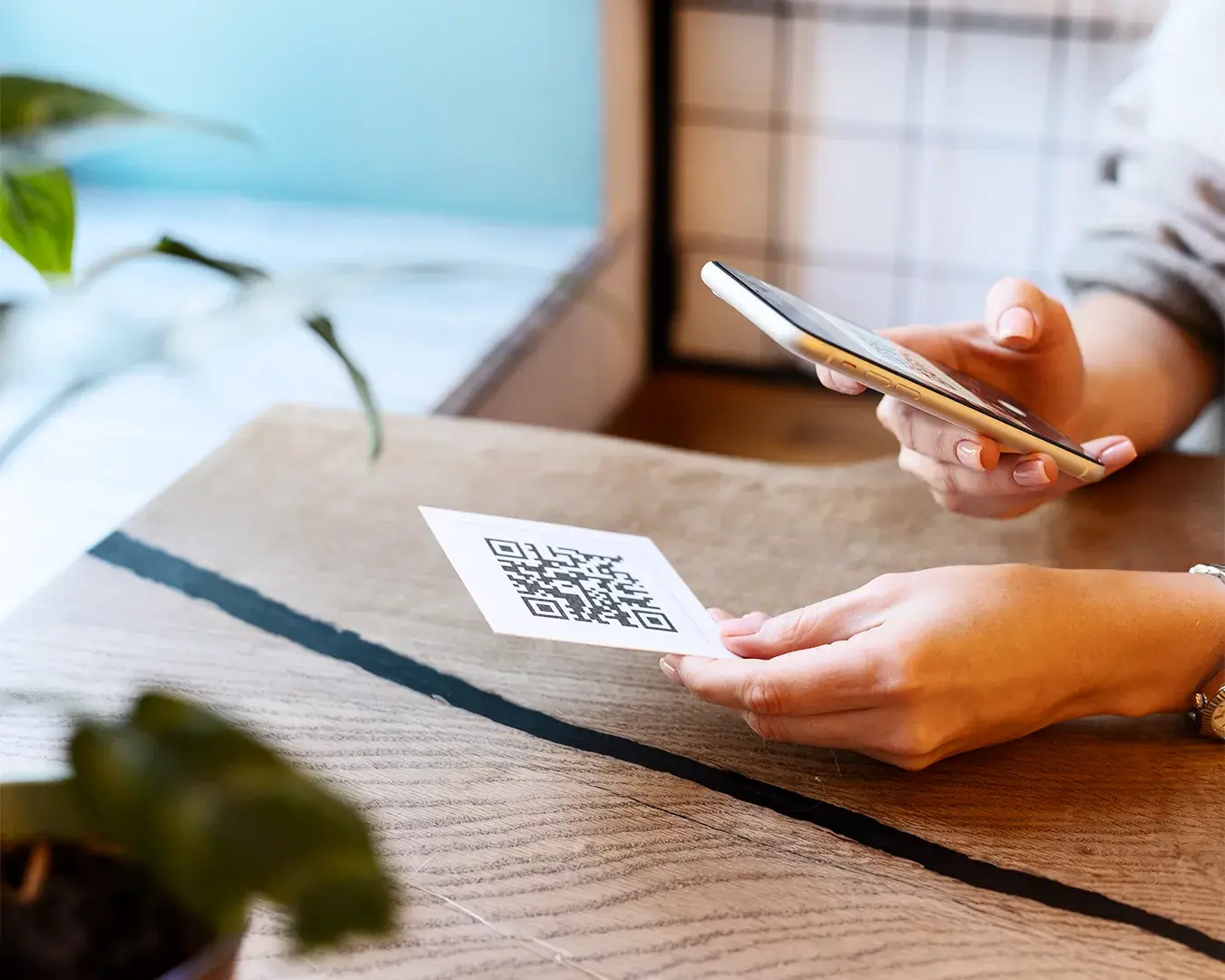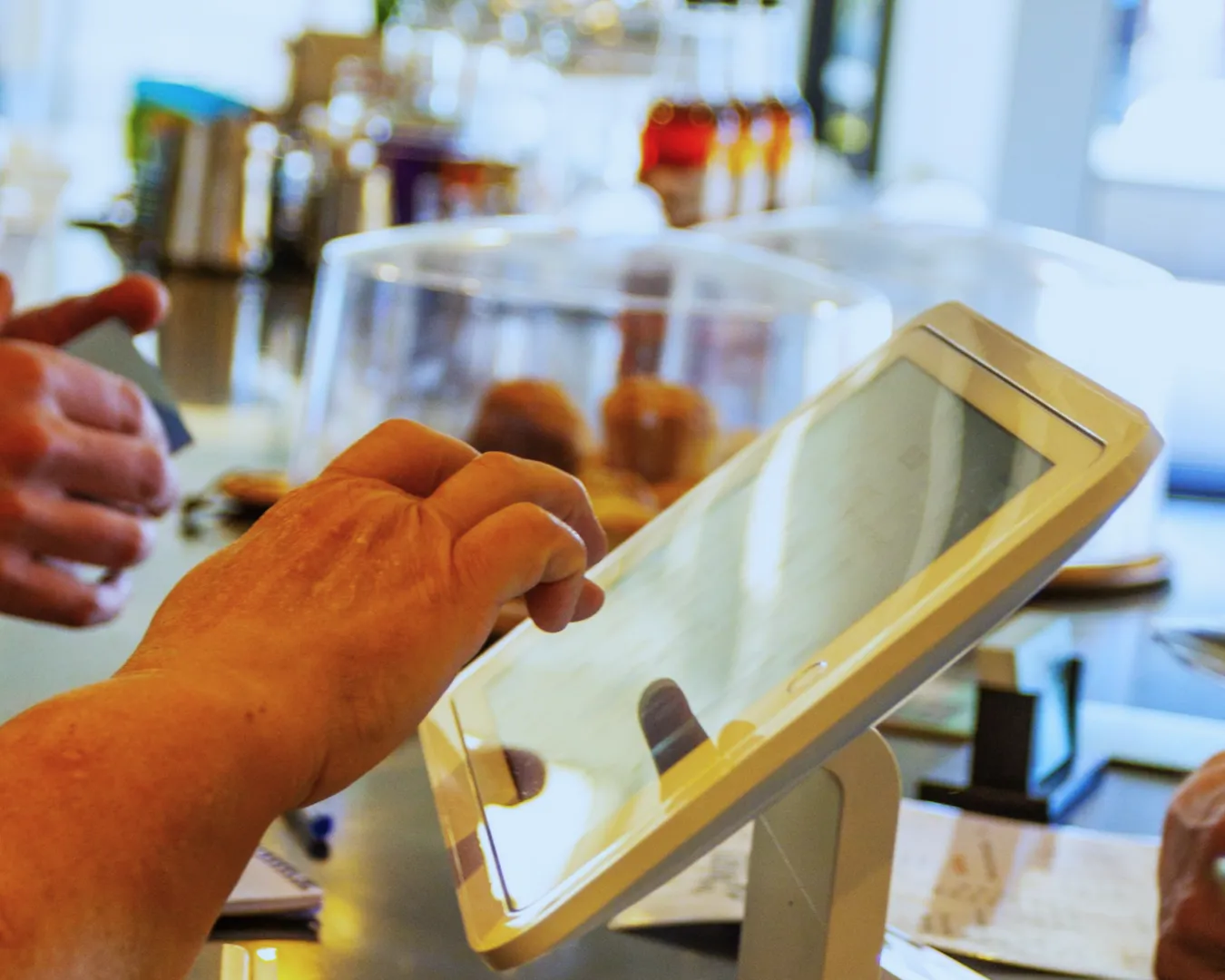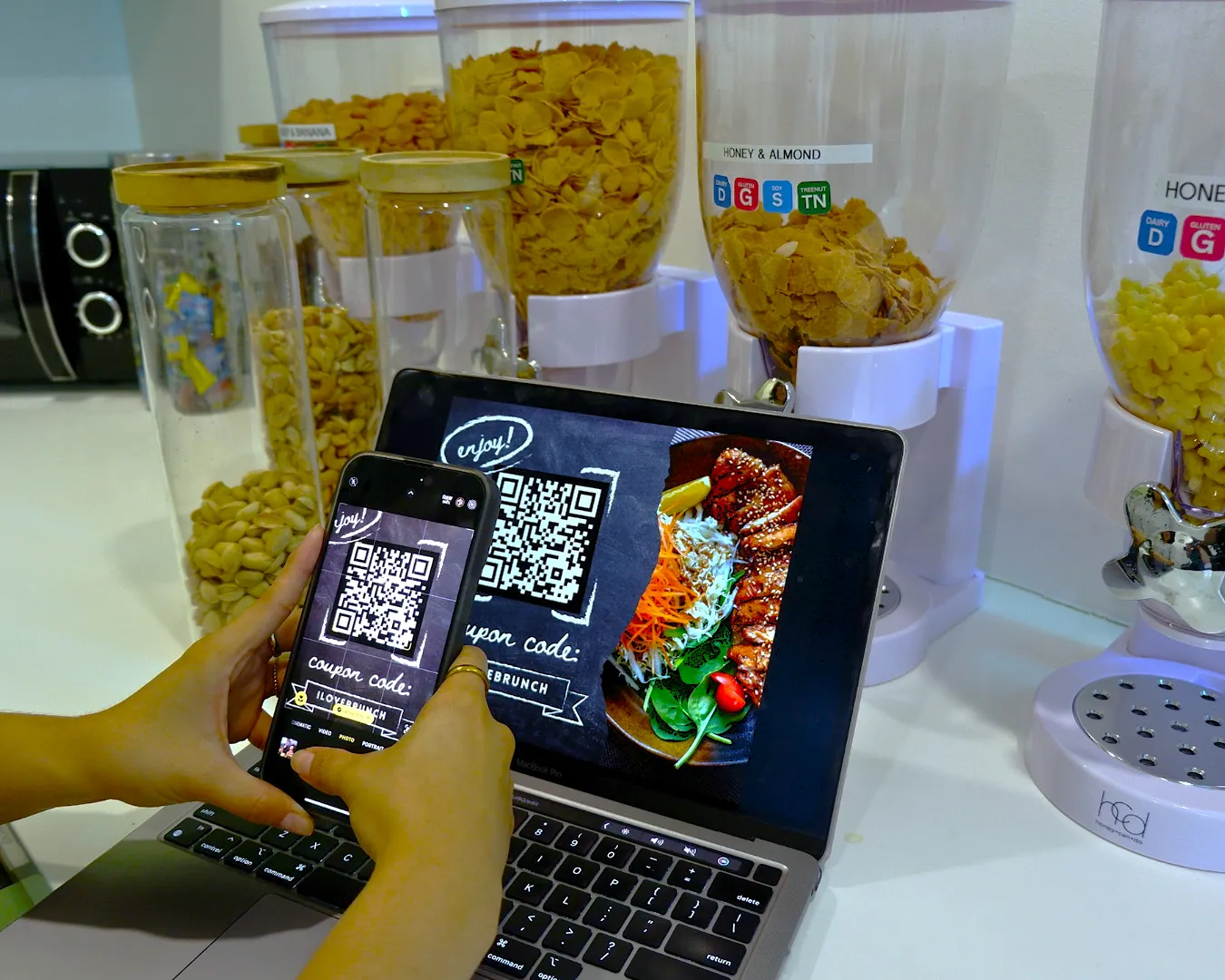

Adopting digital table ordering technology has shifted from a temporary workaround to a permanent strategy for reducing operational overhead. Allowing guests to view menus, place orders, and settle bills directly from their mobile devices streamlines floor service and reduces labor friction.
However, operators evaluating this technology often struggle to weigh the upfront implementation expenses against ongoing operational efficiency. Understanding the financial trade-off between QR code setup costs and commission savings is essential to determine whether digital table ordering will meaningfully strengthen your venue’s profitability.
Evaluating Upfront Implementation and Software Overhead
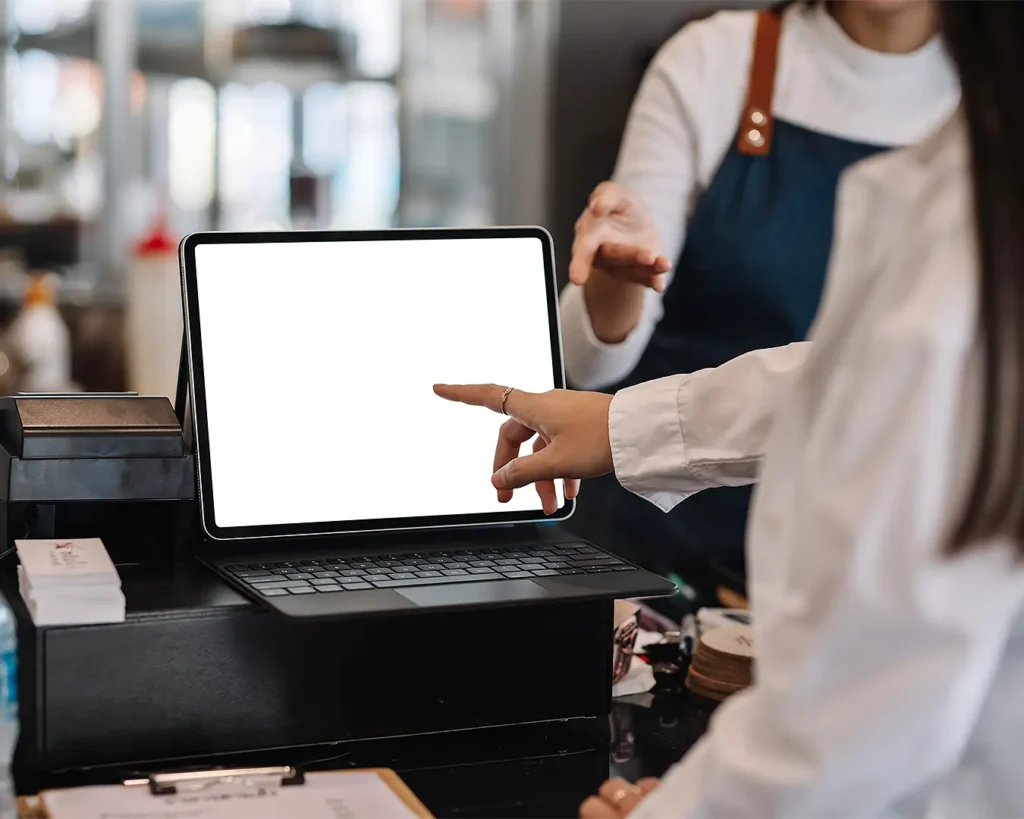
Transitioning from traditional manual service to a QR code table ordering system involves several fixed and recurring technology investments. Calculating your baseline cost setup requires analyzing both hardware integration and monthly software commitments.
Typical setup expense categories include:
- POS Integration Fees: Connecting ordering software directly to your existing Point of Sale system often requires a specialized gateway integration fee or middleware subscription.
- Monthly SaaS Retainers: Cloud-based ordering platforms usually charge a flat recurring rate per venue or a small percentage fee per table transaction.
- Physical Hardware and Asset Production: High-durability acrylic, metal, or wooden table displays featuring custom QR graphics require initial design and print production capital.
- Network Infrastructure Updates: Guests and kitchen display systems demand reliable, high-speed Wi-Fi network coverage throughout the venue, which may require commercial router upgrades.
Eliminating Third Party Marketplace Commissions
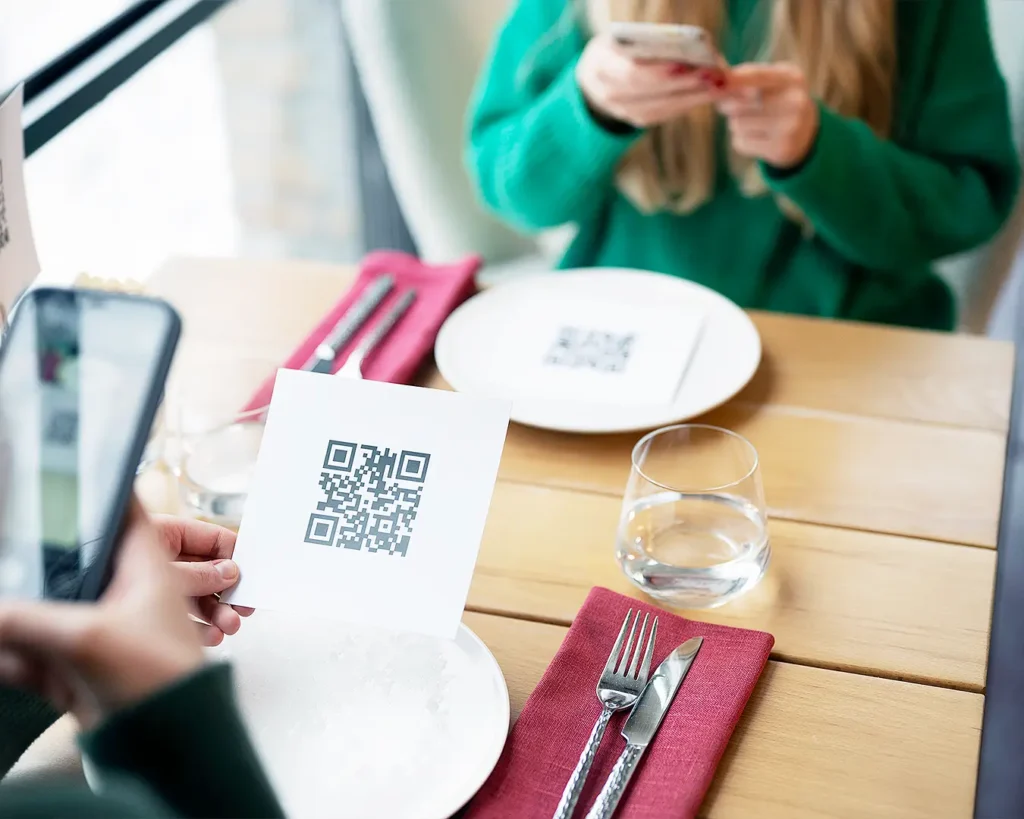
The most immediate financial argument for QR code table ordering is the total elimination of third party delivery app commissions for dine-in operations.
Third party ordering platforms frequently charge substantial commission rates on orders processed through their proprietary apps, even when the guest is sitting inside your dining room. Processing table orders through your own direct, integrated QR platform bypasses these marketplace cut-offs entirely.
Comparing the monthly cost structure across service models highlights the savings:
| Expense Category | Third Party App Dine-In Model | Integrated Direct QR Model |
| Transaction Commissions | High percentage fees per order | Standard credit card processing fees |
| Monthly Software Fees | Low or zero upfront cost | Fixed flat monthly subscription fee |
| Guest Data Ownership | Platform retains guest email and behavior data | Restaurant retains full guest database ownership |
| Margin Protection | Heavily erodes profit margins on low-ticket items | Protects food and beverage contribution margins |
Labor Efficiency and Table Turnover Acceleration

Beyond commission elimination, QR code table ordering creates hidden financial gains by optimizing labor allocation and increasing floor velocity.
When guests handle order entry and payment processing independently, floor staff can manage wider seating sections without degrading service quality.
Operational metrics that drive revenue include:
- Increased Average Check Size: Digital ordering interfaces consistently drive higher ticket averages by presenting visual add-on prompts, side options, and premium drink upgrades on every dish entry.
- Faster Table Turnover Rates: Eliminating manual order taking and waiting for payment processing reduces overall meal duration by several minutes per table, allowing more covers during peak service shifts.
- Labor Reallocation: Front-of-house staff transition from transactional order entry clerks to guest experience hosts, lowering overall floor labor hours without sacrificing hospitality standards.
Calculating Your Return on Investment
Implementing a QR code table ordering system requires balancing short-term deployment costs against long-term operational savings. For most high-volume or fast-casual concepts, the combination of eliminated app commissions, elevated ticket sizes, and optimized labor ratios offsets setup expenses within the first few months of operation.
At Atelier Creations, we assist operators in selecting and configuring integrated ordering systems that connect directly to your existing POS infrastructure, ensuring you protect operating margins and establish a scalable digital sales platform shift after shift.